Can Carpeting Increase Home Value? What Experts Say
When it comes to adding value to a home, flooring choices hold significant influence, both in terms of appearance and functionality. Carpeting, in particular, often brings warmth and comfort, but does it actually increase home value? The answer isn’t straightforward, as it depends on factors like the quality, placement, and style of the carpet, as well as the preferences of potential buyers. In this article, we’ll explore what real estate and design experts have to say about the impact of carpeting on home value, helping you decide if it’s the right choice for your home.
1. The Appeal of Carpeting in Certain Rooms
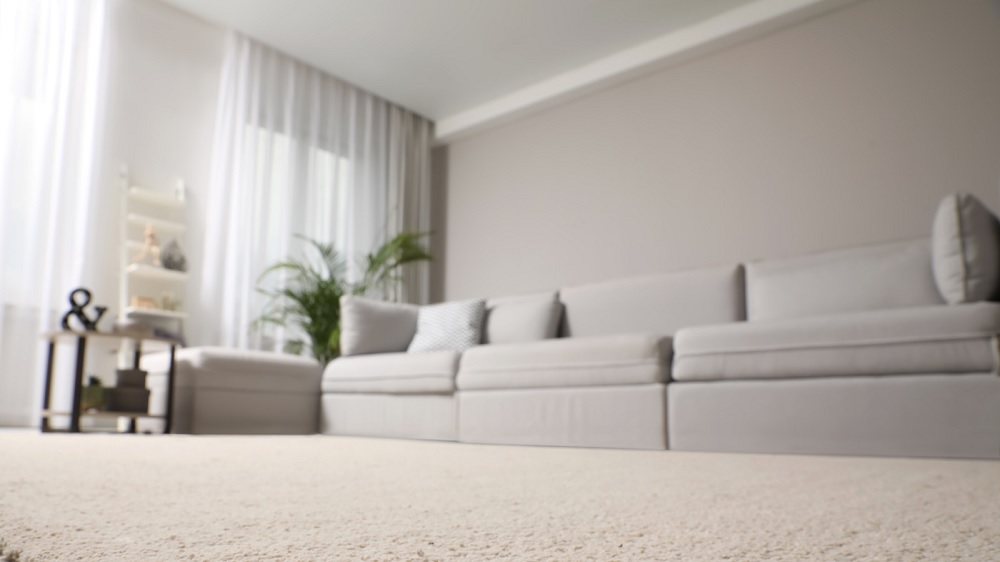
Carpeting offers an undeniable sense of comfort and is particularly popular in spaces where relaxation is a priority. Bedrooms and living rooms are commonly carpeted for this reason, as the soft texture underfoot contributes to a cozy, inviting atmosphere. Real estate professionals often note that well-chosen, high-quality carpeting in these specific areas can be an attractive feature for potential buyers, enhancing the overall ambiance and appeal.
For families with young children, carpeted areas provide safer play surfaces, reducing slips and cushioning falls. It can also add warmth to colder spaces, making it appealing in regions with harsher winters. Experts agree that buyers seeking a cozy, family-friendly home environment may indeed see value in homes with well-maintained carpeting in designated areas, especially if it is fresh, clean, and chosen with modern tastes in mind.
2. Quality Matters: Investing in Durable, Stain-Resistant Carpeting
One of the biggest factors affecting whether carpeting can add value to a home is its quality. Not all carpets are created equal, and buyers can generally tell the difference between budget carpeting and premium options. High-quality carpeting offers several advantages:
- Durability: A durable carpet, made from materials like nylon or wool, can withstand heavy foot traffic without showing signs of wear.
- Stain Resistance: Modern carpets come with stain-resistant treatments, making maintenance easier and reducing concerns about spills, especially in family-oriented homes.
- Longer Lifespan: Premium carpets retain their appearance longer, enhancing their appeal to buyers who may not want to replace flooring soon after moving in.
Quality carpeting can create a more luxurious look, which could translate to a positive impression on prospective buyers. Experts recommend investing in carpeting that meets high standards of durability and stain resistance, especially if you plan to use it as a selling feature.
3. Carpet Style and Color: Trends Matter
The style and color of carpeting play a pivotal role in determining its impact on home value. Design experts emphasize that neutral shades like beige, light gray, and soft taupe are popular choices because they work well with a wide variety of interior styles and allow potential buyers to envision their own decor. Bold colors or intricate patterns, though visually striking, may not appeal to everyone and can limit the home’s marketability.
Texture is another factor to consider. Plush carpets can add a sense of luxury, while loop pile or low-pile carpets offer a more modern, streamlined look. Textured or patterned carpets can also hide wear and tear, making them suitable for high-traffic areas. Selecting a style that reflects current trends while maintaining broad appeal could enhance the perceived value of a home, giving it a fresh and updated look.
4. Where Carpeting Works Best: Strategic Placement
The placement of carpeting within a home can affect its value, as buyers often have specific preferences regarding which rooms are carpeted. Experts recommend reserving carpeting for areas like bedrooms, living rooms, and family rooms, as these are spaces where comfort is paramount. Carpeting in these areas can make the home feel more welcoming and add a warm, luxurious touch.
In contrast, many buyers prefer hard flooring in areas like kitchens, bathrooms, and entryways due to moisture concerns and the need for easy cleaning. Carpeting in such spaces can detract from the home’s value, as buyers may view it as impractical. For a balanced approach, homeowners can opt for carpeting in spaces where it truly enhances comfort and visual appeal, while using hard flooring in areas where durability and ease of maintenance are key.
5. Maintenance and Condition: Keeping Carpets in Prime Shape
Experts are unanimous in noting that the condition of the carpeting plays a crucial role in how it’s perceived by buyers. Well-maintained, clean carpets are a selling point, while stained, worn-out carpeting can have the opposite effect. Regular maintenance, including vacuuming and periodic deep cleaning, helps carpets retain their original look, preventing odors and stains from setting in.
For homeowners planning to sell, replacing old or heavily stained carpeting can be a wise investment. New, fresh carpeting can make the space feel cleaner and more inviting, appealing to buyers looking for a move-in-ready home. Some real estate agents even suggest having carpets professionally cleaned before listing the property to maximize its appeal.
6. Carpeting vs. Hard Flooring: Understanding Buyer Preferences
While carpeting does have its charm, it’s important to consider the competition from hard flooring options like hardwood, tile, and laminate. Many buyers now favor hard flooring for its durability, ease of cleaning, and modern look. Hardwood floors, in particular, are highly sought after, as they’re seen as timeless and add a premium feel to the home.
That said, carpeting and hard flooring each have their place, and the choice largely depends on the target market. In colder climates or in family-oriented homes, carpeting can still be a highly attractive feature. Many buyers appreciate a mix of both, with carpeting in bedrooms and hard flooring in common areas. Understanding the preferences of the local market can help homeowners make strategic flooring choices that align with buyers’ expectations.
7. The Impact of Carpet on Home Staging and Presentation
For sellers preparing a home for the market, carpeting can be an effective tool in staging. Staging professionals frequently use carpeting and rugs to create a cohesive look that makes spaces feel warm and welcoming. New carpeting or attractive area rugs can add to the visual appeal, drawing potential buyers’ attention to the quality and care that have been put into the home.
Staging can significantly influence a buyer’s perception of value, and carpet plays a role in this. By choosing carpet that complements the home’s color scheme and aesthetic, sellers can enhance the overall atmosphere, making rooms look more inviting and complete. This attention to detail can contribute to a positive viewing experience and potentially lead to higher offers.
8. Final Considerations: Does Carpeting Add Value?
While carpeting can indeed add value under the right conditions, the decision depends on a variety of factors. For homeowners, it’s essential to consider the type, quality, placement, and upkeep of the carpet. High-quality, well-maintained carpet in tasteful, neutral shades can attract buyers, especially in spaces like bedrooms and family rooms where comfort is key.
When thoughtfully chosen and meticulously maintained, carpeting can enhance a home’s aesthetic and appeal to buyers looking for comfort and warmth. For those in colder climates or with young families, carpeting can add functional value that resonates well with buyers, creating a sense of home that’s both stylish and welcoming.