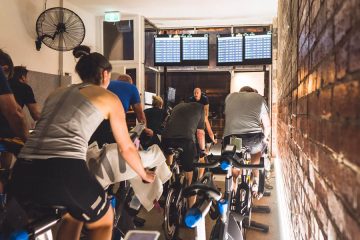
When Water Is Enough and When Longer Indoor-Cycling Sessions Need Carbohydrate

Hydration and fuelling needs change according to session duration, intensity, preparation and individual sweat rate. Riders attending indoor cycling singapore sessions should avoid assuming that every class requires a sports drink or that water will always be sufficient.
For many ordinary sessions, normal meals and water provide adequate support. Longer rides, multiple classes or demanding training days may require a more deliberate carbohydrate strategy.
Begin With the Session Length
A well-fed participant completing one typical class may not need carbohydrate during the ride. The body generally has access to stored fuel from normal eating.
As total exercise duration increases, carbohydrate availability becomes more relevant. This is especially true when the ride contains repeated high-intensity efforts.
The participant should consider the complete training period, including any class completed beforehand or afterwards.
Preparation Changes What Is Needed
A rider who ate a balanced meal several hours before class begins in a different position from someone who skipped lunch and arrived after work.
Low energy during a standard session may reflect inadequate preparation rather than a need for specialised intra-workout nutrition.
A planned snack before class can be simpler and less expensive than relying on a sports drink to correct a long period without food.
Water Is Often a Suitable Default
For many moderate sessions, water consumed according to thirst is practical. The rider should begin reasonably hydrated rather than attempting to drink the entire day’s requirement during class.
Singapore’s heat and humidity can affect hydration before the rider enters the studio. Walking outdoors or commuting may increase thirst.
Regular fluid intake across the day supports comfort better than a large volume immediately before cycling.
Sweat Rate Varies Widely
Two riders in the same class can lose different amounts of fluid. Body size, effort, clothing, studio temperature and individual sweating patterns all matter.
Heavy sweating alone does not prove that carbohydrate is needed. It may indicate greater fluid and electrolyte considerations.
Participants should observe their own response rather than copying another rider’s bottle.
Longer Sessions Change the Calculation
A rider completing an extended session, back-to-back classes or cycling plus another demanding workout may benefit from carbohydrate during training.
Liquid carbohydrate can be convenient because it provides fluid and energy together. Solid options may suit longer breaks but feel uncomfortable during high-cadence riding.
The amount should reflect duration and personal tolerance, not a belief that more fuel always improves performance.
Intensity Matters Alongside Time
A moderate long ride and a shorter high-intensity session create different demands. Repeated sprints rely heavily on carbohydrate metabolism.
However, duration still influences whether intake during the session is necessary. A short demanding class may be supported adequately by a pre-class meal or snack.
Participants should avoid using intensity as automatic justification for high-calorie drinks.
Sports Drinks Have Different Purposes
Some products primarily provide carbohydrate, while others focus on electrolytes or contain stimulants. The label should be reviewed rather than treating all colourful drinks as equivalent.
A zero-calorie electrolyte drink does not provide meaningful carbohydrate. An energy drink may contain caffeine and ingredients unrelated to hydration.
The product should match the need the rider is trying to address.
Gastrointestinal Comfort Matters
Concentrated drinks can feel heavy or cause discomfort, especially when consumed quickly. Riders should test new products during ordinary training rather than an important event.
Small, regular sips may be more comfortable than consuming a large amount during one recovery track.
Individual tolerance determines whether liquid carbohydrate is practical.
Do Not Ignore Post-Session Meals
A rider who can eat a normal meal soon after class may not need an elaborate recovery drink. The meal can provide carbohydrate, protein, fluids and other nutrients.
If a long commute delays dinner, a convenient snack may help bridge the gap. This decision should reflect the complete evening routine.
The narrow period immediately after exercise is rarely the only opportunity to support recovery.
Warning Signs Need Proper Interpretation
Dizziness, nausea, unusual weakness or confusion should not automatically be treated by consuming more sugar and continuing the session.
Exercise may need to stop, and persistent or severe symptoms may require medical attention. Riders with diabetes or other relevant health conditions should follow professional guidance specific to their needs.
General nutrition advice cannot replace individual medical management.
Use a Simple Decision Process
Consider:
- Total exercise duration.
- Intensity of the session.
- Time and content of the previous meal.
- Amount of sweating.
- Availability of food after training.
- Personal digestive tolerance.
At True Fitness Singapore, riders can use class length and intensity to plan suitable fluids and fuelling rather than carrying the same drink for every session.
Match Intake to Actual Demand
Water is often enough for a standard class when the rider has eaten normally and starts hydrated. Carbohydrate becomes more useful as sessions lengthen, intensity accumulates or multiple workouts are combined.
The best strategy supports performance without introducing unnecessary intake or digestive discomfort. Riders should begin with ordinary preparation, then add carbohydrate when the duration and workload provide a clear reason.