Nutrition Timing for Optimal Reformer Pilates Performance in Singapore
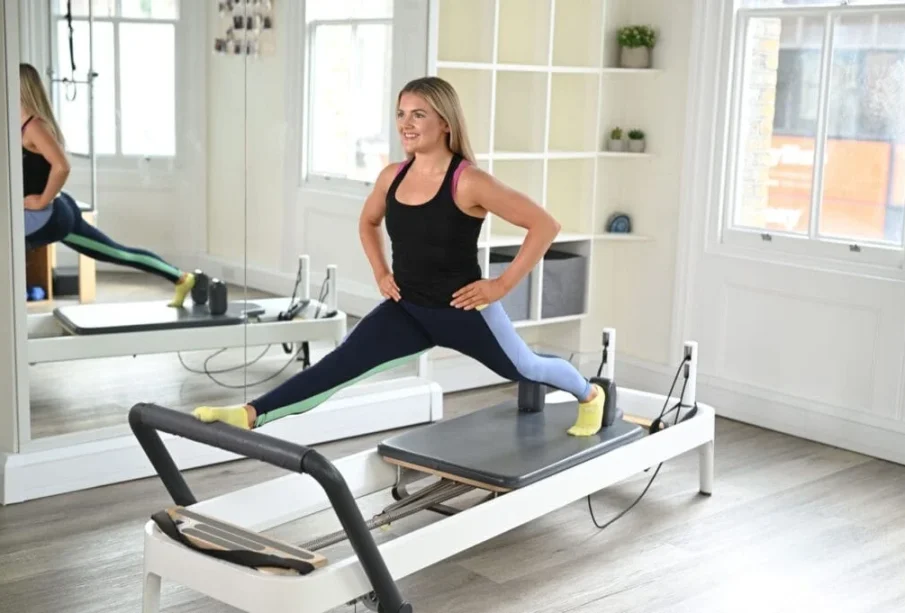
Reformer Pilates places unique demands on the body. Unlike high-impact workouts or endurance training, it relies on precision, controlled resistance, breath coordination, and sustained muscular engagement. For many adults in Singapore, performance during reformer Pilates is not limited by strength or flexibility, but by energy levels, recovery quality, and how the body is fuelled around each session.
This makes nutrition timing a critical but often overlooked factor. What you eat, and when you eat it, can significantly influence how stable you feel on the reformer, how well your muscles respond to resistance, and how quickly your body recovers after class. When aligned properly, reformer pilates Singapore sessions feel smoother, more controlled, and far less draining.
Why Nutrition Timing Matters More Than Meal Quantity
Many people focus on what foods are considered healthy while ignoring timing altogether. For reformer Pilates, timing often matters more than calorie counting or strict dietary rules.
Reformer-based movement requires:
-
Steady energy rather than spikes
-
Neuromuscular control rather than explosive output
-
Muscle endurance rather than short bursts of power
-
Mental focus and body awareness
Poorly timed meals can lead to fatigue, light-headedness, or sluggish movement even if overall nutrition is adequate.
Understanding Energy Demands in Reformer Pilates
Reformer Pilates uses spring resistance that creates continuous muscular engagement. Unlike running or cycling, energy demand is moderate but sustained, with emphasis on stabilising muscles.
This means the body relies heavily on:
-
Glycogen for controlled muscular effort
-
Stable blood sugar levels for concentration
-
Adequate hydration for joint and tissue function
When nutrition timing is off, performance suffers even if strength levels are high.
Pre-Session Nutrition for Reformer Pilates
Eating too close to a reformer Pilates session can interfere with movement quality. Eating too far in advance may result in low energy levels.
An effective pre-session approach focuses on light, easily digestible foods consumed at the right time.
Key principles include:
-
Eating 60 to 90 minutes before class when possible
-
Prioritising complex carbohydrates over heavy fats
-
Including small amounts of protein for muscle support
-
Avoiding overly large portions
Examples of suitable pre-session foods:
-
A small bowl of oats with fruit
-
Wholegrain toast with a light protein topping
-
Yogurt with seeds or berries
-
A banana with a small portion of nuts
These options support steady energy without causing digestive discomfort during movement.
Morning Reformer Pilates Sessions and Fuel Choices
Many professionals in Singapore attend early morning reformer Pilates classes before work. In these cases, heavy meals are often impractical.
For morning sessions:
-
Light fuel is usually sufficient
-
Hydration becomes especially important
-
Fast-digesting carbohydrates help prevent dizziness
Suitable morning options include:
-
A piece of fruit
-
A small smoothie
-
A few dates or crackers
-
Water with a pinch of electrolytes
Some individuals perform well with minimal food, while others require light fuel. Listening to the body is key.
Hydration in Singapore’s Climate
Singapore’s warm and humid environment increases fluid loss even during low-impact workouts. Dehydration can reduce muscle responsiveness and increase perceived effort.
Hydration tips for reformer Pilates include:
-
Drinking water consistently throughout the day
-
Avoiding excessive caffeine before sessions
-
Sipping water rather than drinking large amounts at once
-
Including electrolytes if training frequently
Well hydrated muscles and connective tissues respond more effectively to controlled resistance.
Nutrition During the Day for Frequent Practitioners
For those attending reformer Pilates multiple times per week, daily nutrition patterns matter as much as session-specific timing.
Balanced daily nutrition should support:
-
Muscle repair
-
Nervous system recovery
-
Stable energy levels
-
Reduced inflammation
This typically involves:
-
Regular meals rather than long gaps
-
Balanced macronutrient intake
-
Adequate protein spread across meals
-
Consistent hydration
Irregular eating patterns often lead to inconsistent performance on the reformer.
Post-Session Nutrition and Recovery
Recovery from reformer Pilates may feel subtle, but muscles still undergo significant work. Proper post-session nutrition supports adaptation and reduces lingering fatigue.
Post-session nutrition should focus on:
-
Replenishing glycogen stores
-
Supporting muscle repair
-
Reducing excessive muscle tightness
Ideal post-session timing is within one to two hours after class.
Helpful post-session foods include:
-
Lean protein sources with carbohydrates
-
Balanced meals rather than protein-only snacks
-
Foods rich in micronutrients
Examples include:
-
Rice or quinoa with vegetables and protein
-
Eggs with wholegrain bread
-
Yogurt with fruit and seeds
This approach supports recovery without promoting heaviness.
Protein Needs for Reformer Pilates Practitioners
Reformer Pilates builds strength through time under tension rather than heavy loads. Protein intake supports muscle maintenance and adaptation without the need for excessive quantities.
Key protein considerations:
-
Moderate, consistent intake rather than large single doses
-
Inclusion of protein at each main meal
-
Focus on quality sources
Overconsumption is unnecessary and may lead to digestive discomfort without added benefit.
Avoiding Common Nutrition Mistakes
Several nutrition habits can negatively affect reformer Pilates performance.
Common mistakes include:
-
Skipping meals before sessions
-
Overeating immediately before class
-
Relying heavily on sugary snacks
-
Neglecting hydration
-
Treating reformer Pilates as calorie-focused exercise
Addressing these habits often leads to noticeable improvements in control and endurance.
Long-Term Nutrition Alignment With Movement Quality
Nutrition for reformer Pilates is not about restriction or trends. It is about supporting movement quality and consistency.
When nutrition timing is aligned:
-
Movement feels more controlled
-
Fatigue reduces across sessions
-
Recovery improves between classes
-
Focus and body awareness increase
Studios such as Yoga Edition emphasise this holistic approach, encouraging sustainable habits that support both practice and daily life.
Frequently Asked Questions
Q: Do I need to eat before every reformer Pilates session?
A: Not necessarily. Some people perform well with light fuel, while others prefer minimal intake. The key is avoiding low energy or dizziness during movement.
Q: Is it okay to attend reformer Pilates on an empty stomach?
A: It can be suitable for some individuals, especially for shorter or low-intensity sessions. Hydration becomes especially important in these cases.
Q: Should nutrition differ on days with reformer Pilates versus rest days?
A: Slight adjustments in carbohydrate intake may help support training days, but overall balanced nutrition should remain consistent.
Q: Can poor nutrition affect balance and coordination on the reformer?
A: Yes. Low blood sugar or dehydration can reduce focus and neuromuscular control, affecting stability and movement precision.
Q: Is supplementation necessary for reformer Pilates practitioners?
A: In most cases, a balanced diet is sufficient. Supplements may be considered only when specific nutritional gaps are present.