How Social Media Can Drive Growth and Visibility for Your Restaurant
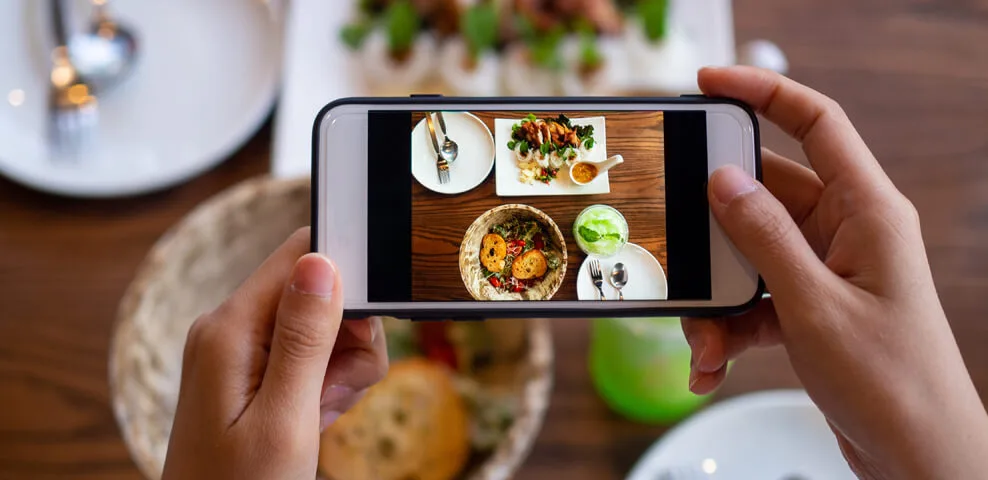
Social media has transformed the way restaurants connect with their patrons and reach new customers. With millions of users actively engaging on platforms like Instagram, Facebook, and TikTok, social media offers a powerful avenue to enhance visibility, foster brand loyalty, and drive sales. By leveraging the right strategies, restaurants can create a unique online presence that not only attracts but retains customers. This article explores how social media can boost your restaurant’s business and offers practical tips to maximize its impact.
1. Building Brand Identity and Recognition
Social media provides an invaluable platform for creating and establishing your restaurant’s brand identity. Through consistent, visually appealing content, you can shape how customers perceive your establishment and differentiate yourself from competitors. The goal is to make your restaurant’s page memorable and instantly recognizable.
- Visual Consistency: Use a cohesive color scheme, logo, and style that aligns with your restaurant’s ambiance and culinary theme. For instance, a modern bistro might use a minimalist aesthetic, while a family diner might embrace a cozy, retro feel.
- Storytelling: Share the story behind your restaurant, whether it’s the inspiration behind the menu or the chef’s culinary journey. Authentic stories engage audiences on a personal level and build an emotional connection.
- Highlighting Unique Selling Points: Showcase what makes your restaurant special, from signature dishes to sustainable sourcing practices. Let your audience know why your restaurant is worth visiting.
By focusing on brand identity, social media allows you to set the tone for your restaurant, making it easily recognizable and memorable in a crowded digital landscape.
2. Engaging with Customers and Building Community
Social media offers a direct line of communication with your customers, fostering a sense of community and loyalty. Engaging with your audience regularly not only builds trust but encourages repeat visits and word-of-mouth recommendations.
- Responding to Comments and Messages: Promptly reply to comments and direct messages, whether they’re questions, feedback, or compliments. Personal, thoughtful responses make customers feel valued.
- User-Generated Content (UGC): Encourage customers to share their experiences by tagging your restaurant in their posts or using a custom hashtag. UGC acts as a form of social proof, showing potential customers that others enjoy dining at your establishment.
- Contests and Giveaways: Running occasional contests, like a free meal for tagging friends or sharing a post, can help grow your followers and create excitement around your restaurant.
A responsive and engaging online presence helps build a loyal community around your brand, creating repeat customers who feel connected to your restaurant beyond the dining experience.
3. Showcasing Your Menu and Specials
Social media provides the perfect medium to showcase your menu items and keep customers informed about specials, new dishes, or seasonal items. With the right approach, even the most routine menu updates can become exciting news for your followers.
- High-Quality Photography: Invest in professional-quality photos of your dishes. Visuals are crucial on platforms like Instagram, where users are often inspired by enticing images. Use natural lighting and focus on making the food look vibrant and fresh.
- Behind-the-Scenes Content: Give followers a peek into the kitchen, showcasing how dishes are prepared or introducing them to the chefs. This type of content not only entertains but builds transparency and trust.
- Special Promotions: Announce exclusive offers or limited-time promotions. For example, if you’re introducing a new seasonal dish, a quick announcement post with an eye-catching photo can encourage followers to stop by and try it.
By consistently showcasing your menu on social media, you keep your audience informed and excited, enticing them to visit your restaurant to experience these dishes firsthand.
4. Leveraging Influencer Marketing
Partnering with local influencers or food bloggers can significantly amplify your restaurant’s reach. Influencers already have a following that trusts their recommendations, and a well-executed collaboration can introduce your restaurant to a broader audience.
- Choose the Right Influencers: Look for influencers whose brand and audience align with your restaurant’s identity. For instance, a vegan restaurant might partner with influencers who focus on plant-based eating.
- Collaborate on Content: Rather than simply paying for a post, consider creating experiences that the influencer can share. A private tasting or a behind-the-scenes tour gives them exclusive content to share, making the partnership more authentic.
- Leverage User Reviews: Encourage influencers to leave reviews on platforms like Yelp or Google, further increasing visibility.
Influencer marketing offers social proof and enhances credibility, often bringing in customers who may not have discovered your restaurant otherwise.
5. Using Paid Advertising to Target Your Audience
While organic content is valuable, paid advertising on social media can give your restaurant an additional boost. With targeted advertising options on platforms like Facebook and Instagram, you can reach specific demographics based on location, interests, and dining preferences.
- Geo-Targeted Ads: Use location-based targeting to reach customers within your area. For instance, a local restaurant might target people within a 10-mile radius to attract nearby patrons.
- Ad Formats for Maximum Engagement: Experiment with different ad formats, such as carousel ads to showcase multiple dishes or video ads for a more immersive experience. High-quality visuals are key to capturing viewers’ attention.
- Special Offers and Call-to-Actions: Use paid ads to promote special offers with a strong call-to-action, such as “Order Now” or “Visit Us Today.” These types of ads can be particularly effective during slower times or to launch a new item.
Paid advertising, when used strategically, can drive foot traffic, increase reservations, and generate awareness among potential customers who may not be following your account yet.
6. Utilizing Social Media Stories for Real-Time Updates
Social media stories, especially on Instagram and Facebook, offer a fantastic way to share quick updates, real-time promotions, and behind-the-scenes snippets without crowding your main feed. Stories are highly engaging, often driving users to take immediate action, whether it’s visiting your website, placing an order, or stopping by for a special deal.
- Daily Specials and Flash Sales: Use stories to announce daily specials, happy hours, or last-minute promotions. This approach encourages customers to stay tuned to your updates.
- Event Announcements: Promote upcoming events, like live music nights, themed dinners, or tastings. Stories provide a perfect format for quick, visually appealing announcements.
- Behind-the-Scenes Moments: Stories give followers a glimpse of the day-to-day operations, whether it’s the prep for the day’s service or fun moments between staff. This type of content humanizes your brand and makes it relatable.
Stories can keep your restaurant at the forefront of customers’ minds, encouraging spontaneous visits and maintaining consistent engagement with your followers.
7. Gathering Customer Insights and Feedback
Social media is also an excellent tool for gathering insights into your customers’ preferences, allowing you to improve their experience and refine your offerings. By paying attention to how customers interact with your posts and by actively seeking feedback, you gain valuable information that can guide your business decisions.
- Engagement Metrics: Monitor engagement metrics like likes, comments, and shares to see which types of content resonate most with your audience. This information can help you tailor future posts to what your followers want to see.
- Polls and Questions: Use features like Instagram polls or question boxes to gather feedback directly from customers. For example, ask for input on potential new menu items or event ideas.
- Reviews and Comments: Pay attention to feedback left in comments and reviews. Customers often share valuable insights about what they enjoyed and what could be improved. Addressing their suggestions shows that you value their opinions.
Through active listening, you can adapt to your customers’ needs, improving both the dining experience and your overall brand perception.
8. Driving Online Orders and Reservations
Social media can directly contribute to your bottom line by encouraging online orders and reservations. Many platforms now offer integrations with booking and delivery services, making it simple for customers to act immediately when they see something that appeals to them.
- In-Platform Order Buttons: Integrate order buttons directly on your social media profiles, enabling customers to place orders or make reservations with ease.
- Promote Takeout and Delivery Options: Post regular updates about takeout and delivery options. By showcasing menu items that travel well, you encourage customers to enjoy your food at home.
- Highlight Customer Testimonials: Sharing positive reviews or user-generated content from customers who have enjoyed their orders at home reinforces the convenience and quality of your service.
By making it simple for customers to place orders or make reservations directly from social media, you capture their interest in the moment and drive more business through digital channels.
9. Staying Consistent and Analyzing Results
A consistent presence on social media is key to staying relevant and keeping your audience engaged. Regular posts, combined with a strategic approach to content and engagement, lay the groundwork for sustained growth.
- Consistency in Posting: Create a posting schedule that aligns with your audience’s habits, whether it’s daily updates or a few quality posts each week.
- Track Performance: Use analytics tools to monitor post performance, engagement rates, and follower growth. This data reveals what’s working and helps you refine your strategy.
- Adapt as Needed: Social media trends evolve rapidly, so remain flexible and willing to adjust your approach. Experiment with new features or trends that align with your brand.
Regular analysis and consistent posting demonstrate a commitment to connecting with your audience, ensuring your restaurant stays top of mind for customers old and new.
Social Media: A Cornerstone of Restaurant Success
By thoughtfully leveraging social media, your restaurant can cultivate an engaged audience, showcase its unique qualities, and drive both online and in-person traffic. Through consistent engagement, strategic promotion, and a commitment to understanding customer preferences, social media can become a powerful asset in your restaurant’s growth and success. By embracing these