Remote Monitoring with CCTV: How It Works and Why It Matters
In today’s rapidly evolving world, security has become a top priority for both businesses and homeowners. One of the most powerful tools available to enhance safety and peace of mind is CCTV (Closed-Circuit Television) surveillance. While traditional security systems often required physical presence to monitor cameras, technological advancements have made it possible to monitor these systems remotely. Remote monitoring with CCTV allows users to keep a vigilant eye on their premises from virtually anywhere. In this article, we will explore how remote CCTV monitoring works, its benefits, and why it matters in securing our environments.
How Remote CCTV Monitoring Works
At its core, CCTV systems capture video footage through cameras installed at strategic locations. The footage is then transmitted to a recording device, typically a DVR (Digital Video Recorder) or NVR (Network Video Recorder). Traditionally, this footage could only be accessed at the site of the cameras. However, remote monitoring leverages the internet and advanced software to allow users to view live feeds and recorded footage from any location, using their smartphones, tablets, or computers.
- The Installation Process The process begins with the installation of CCTV cameras at desired locations, such as entrances, hallways, or parking lots. These cameras may be wired or wireless, depending on the system design. Wired systems are connected directly to a recording device via cables, while wireless systems transmit data over a Wi-Fi connection. The choice between wired and wireless largely depends on the infrastructure and preferences of the property owner.
- Connecting to the Internet Once the cameras are installed, they are connected to the internet via a router or a direct network connection. This allows the system to transmit the video feed to cloud storage or remote viewing devices. For remote access, CCTV systems are typically paired with applications or software that allow users to log in securely to view real-time footage and video history. The connection is established either through Wi-Fi, Ethernet cables, or even 4G/5G mobile networks for greater flexibility.
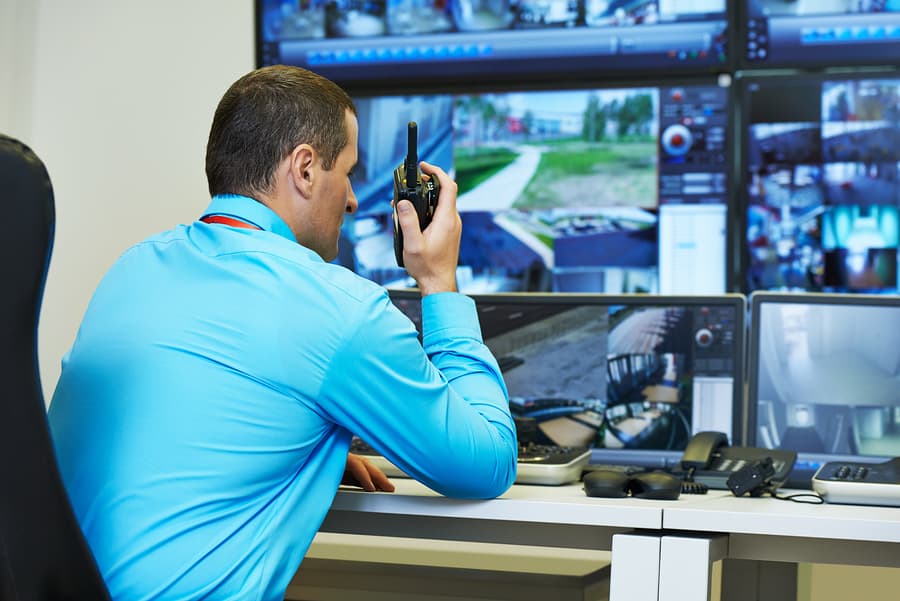
- Real-Time Monitoring Real-time monitoring is one of the key features of remote CCTV systems. Through mobile apps or desktop software, users can instantly access live footage, regardless of their physical location. This enables business owners to keep an eye on their operations during off-hours, or homeowners to check their property while on vacation. The footage is usually displayed on a user-friendly interface, with options to pan, tilt, or zoom the cameras to get a better view of specific areas.
- Storage and Access to Footage In addition to live feeds, remote CCTV systems offer access to recorded footage. This is particularly valuable in the event of an incident, such as a break-in or theft. The video can be stored either locally on an NVR or in the cloud, with cloud storage providing the advantage of remote retrieval from anywhere. Depending on the configuration, users can access video clips from specific times or events, making it easier to track activities and gather evidence when needed.
- Alerts and Notifications Modern CCTV systems come equipped with motion detection and alarm features. When the system detects motion in a designated area, it can send an alert to the user’s device, allowing them to quickly assess the situation. This can be especially useful for preventing security breaches, as it gives users the chance to take immediate action, whether by notifying authorities or triggering alarms.
Why Remote CCTV Monitoring Matters
- Enhanced Security The most obvious benefit of remote CCTV monitoring is enhanced security. By keeping a constant watch over a property, the risk of criminal activity is significantly reduced. Remote monitoring allows users to respond to suspicious behavior in real time, increasing the likelihood of preventing crimes before they occur. Additionally, knowing that a property is being actively monitored can deter potential intruders from even attempting to enter.
- Convenience and Accessibility Remote access makes security monitoring incredibly convenient. Business owners and homeowners no longer need to be on-site to ensure their property is secure. Whether traveling for work, on a family vacation, or managing multiple locations, users can check in whenever necessary. This flexibility is invaluable, especially for those who manage large properties or several sites.
- Cost-Effectiveness Remote CCTV monitoring can also be a cost-effective solution. While there is an initial investment in the cameras and the recording system, the ability to monitor multiple locations without the need for on-site personnel can save businesses a significant amount of money in the long run. Moreover, remote monitoring can reduce the need for frequent physical inspections, allowing businesses to focus on other areas of operations.
- Evidence for Investigations In the unfortunate event of a crime, having access to recorded footage is invaluable. Whether it’s a break-in, theft, or vandalism, CCTV footage can serve as critical evidence in investigations. Remote access to this footage means that users can quickly provide authorities with the necessary information without needing to be physically present. This can expedite the investigation process and increase the likelihood of recovering stolen goods or identifying suspects.
- 24/7 Surveillance Unlike traditional methods, remote CCTV systems offer continuous, round-the-clock surveillance. Even when you’re not physically present, the system continues to monitor your property for any unusual activity. This continuous monitoring provides peace of mind, knowing that your security system is always active, whether during the day or night.
The Future of Remote CCTV Monitoring
The future of remote CCTV monitoring is promising, as advancements in artificial intelligence (AI) and machine learning continue to evolve. AI-powered systems can already analyze video footage in real time, identifying patterns or anomalies that may require attention. This takes remote monitoring a step further, automating much of the monitoring process and alerting users to potential threats with even greater precision.
Additionally, as 5G technology becomes more widespread, remote CCTV systems will become even more reliable, offering higher quality video feeds with lower latency. The potential for integration with other smart home or business systems, such as alarms and access control systems, will further enhance the functionality and security of remote monitoring solutions.
Conclusion
Remote monitoring with CCTV is a game-changer in the world of security. It offers unmatched convenience, enhanced security, and peace of mind, all while providing cost-effective solutions for property owners and businesses alike. By embracing this technology, individuals and companies can ensure that their properties remain secure, whether they are at home, at work, or on the go. As technology continues to improve, the capabilities of remote CCTV monitoring will only expand, making it an essential tool for modern security systems.