The Benefits of Air Conditioning in Hot Climates
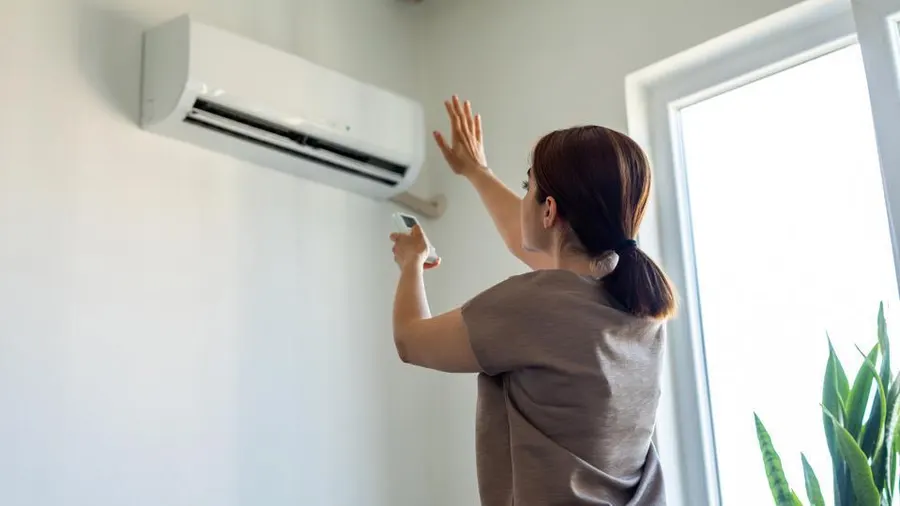
Hot climates pose unique challenges to daily life, from maintaining comfort to ensuring productivity and health. In these environments, air conditioning emerges as more than a convenience; it becomes a cornerstone of modern living. By regulating indoor temperatures and providing other critical benefits, air conditioning systems play an essential role in improving quality of life. Below, we explore how air conditioning positively impacts individuals and communities in hot climates.
1. Ensures Comfort and Well-being
High temperatures can create uncomfortable and oppressive living conditions. Prolonged exposure to extreme heat often leads to physical discomfort, disrupted sleep patterns, and diminished quality of life. Air conditioning offers a consistent and controlled indoor environment, fostering comfort no matter how intense the heat outside.
Cool and stable indoor temperatures contribute to restful sleep, enhanced relaxation, and greater enjoyment of daily activities. This comfort extends to workplaces, allowing employees to perform their roles effectively without being hindered by heat stress.
2. Supports Health and Reduces Heat-Related Illnesses
Hot climates can pose serious health risks, including dehydration, heat exhaustion, and heatstroke. Vulnerable groups, such as the elderly, children, and those with pre-existing conditions, are particularly susceptible to these dangers.
Air conditioning systems provide a vital defense against these risks by cooling indoor spaces and maintaining safe, tolerable temperatures. Additionally, many modern systems incorporate air purification features, filtering out pollutants and allergens, which further enhances indoor air quality. These combined benefits create healthier living and working environments.
3. Boosts Productivity and Performance
Excessive heat negatively impacts cognitive and physical performance, making it difficult to concentrate, work efficiently, or complete tasks. Whether in offices, schools, or industrial settings, air conditioning helps maintain optimal conditions for productivity.
Studies have consistently shown that cooler, controlled environments improve focus and decision-making abilities. Workers, students, and professionals alike benefit from air conditioning’s ability to foster environments where concentration thrives, resulting in better outcomes and reduced stress levels.
4. Protects Building Infrastructure and Electronics
Intense heat and humidity can take a toll on building materials, furnishings, and electronic devices. Prolonged exposure to such conditions may lead to the deterioration of wood, plaster, and other components, while high humidity encourages mold growth.
Air conditioning stabilizes indoor conditions, protecting both structural integrity and interior elements. It also prevents overheating in electronic equipment, ensuring that computers, appliances, and other devices operate efficiently and remain durable in high-temperature regions.
5. Promotes Better Air Quality
Air conditioning systems equipped with advanced filtration technologies not only regulate temperature but also improve indoor air quality. In hot climates, where dust, pollen, and other airborne particles can exacerbate allergies and respiratory conditions, this feature is especially valuable.
High-quality filters capture these irritants, creating a cleaner and healthier atmosphere. The system’s ability to regulate humidity levels also minimizes the risk of mold and mildew, further enhancing the indoor environment.
6. Facilitates Better Sleep
Hot nights can make restful sleep elusive, with rising temperatures disrupting natural sleep cycles. Poor sleep not only affects mood but also hampers physical and mental performance throughout the day.
Air conditioning creates an ideal sleeping environment by maintaining cool and comfortable nighttime temperatures. A restful night is no longer an occasional luxury but a consistent reality, leading to improved health, mood, and overall productivity.
7. Supports Economic Growth in Hot Regions
Hot climates often host industries and economies reliant on consistent and efficient operations. From manufacturing to technology, air conditioning enables businesses to thrive by ensuring that workplaces are functional and comfortable.
This benefit extends to tourism, as visitors are more likely to explore regions with modern, climate-controlled facilities. Hotels, airports, and transportation hubs equipped with air conditioning become attractive destinations, contributing to local economies.
8. Enhances Community Resilience During Heatwaves
Heatwaves in hot climates can be particularly devastating, with soaring temperatures challenging public health and safety. Air conditioning systems provide an essential refuge during these periods, particularly in shared community spaces such as libraries, schools, and emergency shelters.
These cooling centers act as sanctuaries for those without access to home cooling systems, reducing heat-related fatalities and promoting social equity in times of crisis.
9. Fosters Environmental Responsibility with Modern Technologies
Advancements in air conditioning technology have transformed these systems into eco-conscious solutions. Energy-efficient models, solar-powered units, and systems utilizing low-impact refrigerants demonstrate how air conditioning can align with sustainability goals.
By selecting energy-efficient equipment and employing responsible usage practices, residents of hot climates can enjoy the benefits of air conditioning while minimizing their ecological footprint.
10. Encourages Social Interactions and Gatherings
Hot climates can deter outdoor activities, making air-conditioned spaces hubs for social interactions and gatherings. Whether hosting events, enjoying meals, or simply spending time with family, climate-controlled environments provide the comfort necessary for meaningful connections.
This benefit extends to cultural and recreational venues, such as theaters, museums, and shopping centers, which often rely on air conditioning to attract and accommodate visitors.
Air conditioning has evolved into an indispensable tool for enhancing life in hot climates. Beyond delivering comfort, it safeguards health, boosts productivity, protects assets, and even contributes to economic and social well-being. With careful use and an appreciation for its transformative potential, air conditioning enriches lives while offering a reprieve from the relentless heat.