What to Do If Your Boiler Is Losing Pressure
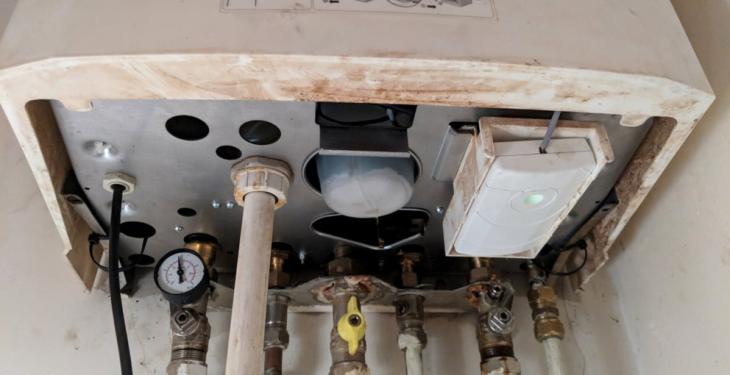
Boilers are central to maintaining comfort in your home, especially during the colder months. They provide warmth and hot water, keeping your living spaces cozy and functional. However, when a boiler starts losing pressure, it can disrupt these vital services. A drop in boiler pressure can lead to inefficient heating and hot water shortages, and in some cases, it could signal underlying problems that require immediate attention.
Understanding the causes of pressure loss in a boiler and knowing how to address the issue can help prevent further complications and ensure your heating system is running smoothly. In this article, we will explore the common reasons for boiler pressure loss and guide you through the steps to fix it.
1. Understand the Importance of Boiler Pressure
Before diving into potential causes and solutions, it’s essential to understand why maintaining proper boiler pressure is so important. The pressure within your system ensures that water circulates through the boiler and heating system at the right flow rate. If the pressure drops too low, your boiler may fail to heat the water effectively, resulting in cold radiators, no hot water, or even a complete system shutdown.
Most boilers require a pressure of around 1 to 1.5 bar when they are cold. If the pressure falls below 1 bar, the boiler may not function correctly, and if it exceeds the upper limit of 2.5 bars, it could cause leaks or other serious issues.
2. Check for Visible Leaks
One of the most common reasons for a boiler losing pressure is the presence of leaks in the system. Leaks can occur anywhere in your heating system, from the boiler itself to the pipes and radiators that supply heat to your home.
How to Spot Leaks:
Inspect your boiler and its surrounding pipes carefully for any visible signs of water damage, dampness, or water stains. You may also notice puddles of water near the boiler or radiator valves. If you spot a leak, it is crucial to address it as soon as possible. Leaks can worsen over time and cause significant damage to your system.
What to Do:
If you discover a leak, it is best to contact a qualified heating engineer to perform repairs. Attempting to fix a leak yourself could lead to further damage or even void your boiler warranty. A professional will be able to identify the leak’s source and repair it correctly, preventing further pressure loss.
3. Check the Pressure Relief Valve
The pressure relief valve is an essential safety feature in your boiler. Its job is to release excess pressure to prevent the system from becoming over-pressurized, which could damage components. However, this valve can also cause a loss of pressure if it becomes faulty or if it’s leaking water.
How to Identify a Faulty Pressure Relief Valve:
A faulty pressure relief valve may cause water to leak from the pipe connected to it. If you notice water dripping from this pipe, it could be an indication that the valve is malfunctioning or has become worn out.
What to Do:
If you suspect an issue with the pressure relief valve, you should contact a heating engineer. A professional can inspect the valve, and if necessary, replace it to restore proper pressure regulation. Regular maintenance can help prevent valve failure and maintain optimal pressure.
4. Bleed Your Radiators
Air trapped in your radiators can prevent the water from circulating properly, which can lead to pressure loss. As the air accumulates, it disrupts the flow of water through the heating system, causing uneven heating and reduced boiler performance. In some cases, trapped air can also result in a decrease in boiler pressure.
How to Bleed a Radiator:
Bleeding a radiator is a simple process that can help remove trapped air and restore optimal circulation. To bleed a radiator, you’ll need a radiator key, which is typically available at most hardware stores. Use the key to open the valve at the top of the radiator, allowing the air to escape. Once water begins to flow out steadily, close the valve.
After bleeding the radiators, check the pressure gauge on your boiler. If the pressure has dropped, you may need to top it up using the filling loop, a valve that allows you to add water to the system.
5. Repressurize the System
If your boiler has lost pressure, it is essential to repressurize it before attempting to restart the heating system. This process is relatively straightforward and can usually be done without the need for a professional.
How to Repressurize Your Boiler:
- Locate the filling loop: The filling loop is a flexible pipe or valve beneath the boiler that connects the system to the mains water supply.
- Open the filling loop valve: Slowly turn the valve to allow water into the system. As water enters, the pressure gauge on your boiler will start to rise.
- Monitor the pressure: Keep an eye on the pressure gauge while filling the system. The ideal pressure should be between 1 and 1.5 bars. Once the pressure reaches the correct level, close the filling loop valve tightly.
- Check the system: After repressurizing, turn on the heating system and check that the radiators are warming up properly. If the pressure drops again, there may be a more serious issue at hand.
6. Inspect the Expansion Vessel
The expansion vessel is another critical component in your boiler system. It’s responsible for absorbing excess pressure as water expands when heated. If the expansion vessel becomes faulty, it can cause an imbalance in the system, leading to pressure loss or pressure fluctuations.
How to Identify a Faulty Expansion Vessel:
If the expansion vessel is damaged or has lost its air charge, you may notice the following signs:
- Constantly fluctuating pressure readings.
- A significant drop in pressure after the system has been repressurized.
What to Do:
If you suspect an issue with the expansion vessel, it’s essential to have it inspected by a professional heating engineer. They can check the air charge and, if necessary, re-pressurize the vessel or replace it.
7. Consider the Age of Your Boiler
Older boilers may experience more frequent pressure drops due to wear and tear on internal components. As boilers age, parts such as seals, valves, and joints may deteriorate, leading to pressure issues.
What to Do:
If your boiler is older and experiencing frequent pressure loss, it might be time to consult with a heating engineer about the potential for repairs or replacement. Newer boilers are more energy-efficient and may offer more reliable performance.
8. Call a Professional Heating Engineer
If you’ve tried the steps above and your boiler pressure continues to drop, it’s time to call in a professional. A qualified heating engineer can thoroughly inspect your system and identify the root cause of the pressure loss. While some issues are straightforward to fix, others may require specialized knowledge and expertise.
Conclusion
A drop in boiler pressure can be a sign of various issues within your heating system, from simple problems like air in the radiators to more complex issues such as faulty valves or leaks. By regularly checking your boiler, repressurizing the system, and addressing leaks and air build-up, you can keep your system running efficiently. If the problem persists or if you’re unsure how to fix it, always consult a qualified heating engineer to ensure your boiler is functioning correctly and safely. Regular maintenance and prompt action can help extend the life of your boiler and avoid costly repairs.