Cost-Saving Strategies for Home Construction
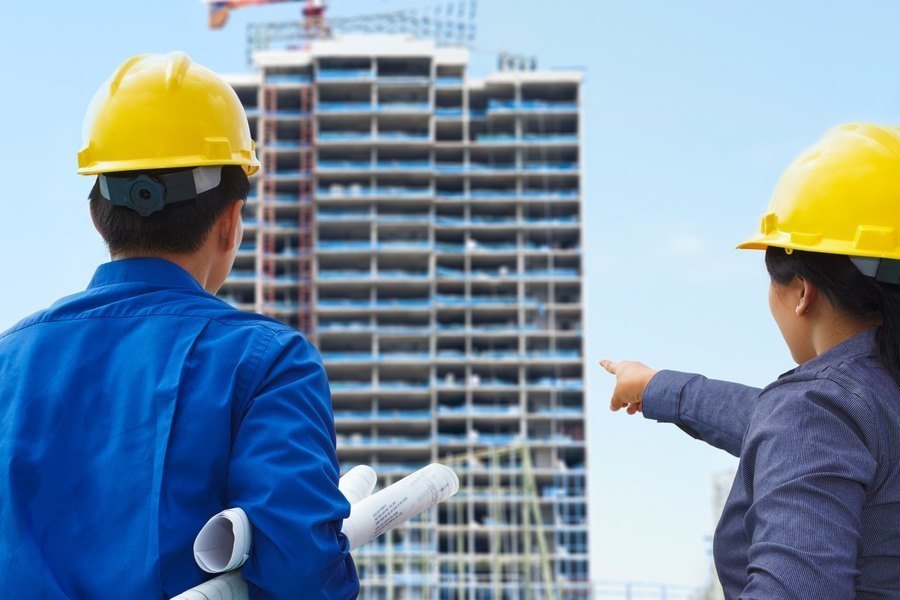
Building a home is one of the most significant financial investments you will make. While the dream of having a personalized space is enticing, the associated costs can quickly spiral out of control if not carefully managed. Fortunately, with strategic planning and thoughtful decisions, it’s possible to reduce construction costs without compromising on quality. Below are several cost-saving strategies for home construction, each designed to help you stay within budget while creating the home of your dreams.
1. Develop a Detailed Budget Early On
One of the first and most important steps in home construction is establishing a detailed and realistic budget. This includes not just the direct costs of construction but also indirect expenses such as permits, utilities, inspections, and contingency funds for unexpected costs. Without a clear financial framework, it is easy to overspend or overlook hidden costs that may emerge during the project.
A well-planned budget should outline every expected cost, and it’s advisable to build in a buffer for unexpected expenses. This will ensure that you are prepared for any surprises, minimizing the risk of having to make cuts to important aspects of the project later on.
2. Choose a Simple Design
The complexity of the design directly impacts the overall construction cost. A custom-designed home with intricate features or unconventional shapes can significantly increase the price. Opting for a simpler, more straightforward design can result in substantial savings.
Homes with a rectangular or square layout tend to be more affordable to build because they minimize the need for complex framing and reduce material waste. Additionally, simple designs typically require fewer specialized materials and labor-intensive processes. Working with an architect to refine your ideas can help you prioritize essential features and eliminate unnecessary elements, thus reducing costs.
3. Opt for Energy-Efficient Materials
Energy-efficient materials are not only better for the environment, but they can also save you significant amounts of money in the long term. These materials, though potentially more expensive upfront, lead to lower energy bills and greater comfort within the home.
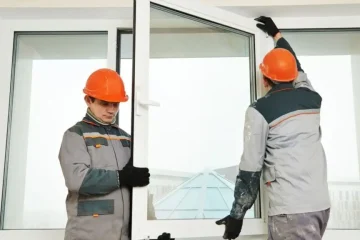
For example, insulated windows, energy-efficient HVAC systems, and superior insulation materials help keep your home at a consistent temperature, reducing the need for frequent heating or cooling. While these elements may require a larger initial investment, they will ultimately pay for themselves through savings on energy bills over time. Additionally, opting for eco-friendly materials can increase the long-term value of your property.
4. Plan for Future Phases
One effective strategy for managing costs is to plan your construction project in phases. While it may not be feasible to build your entire home all at once, you can design your space so that you can complete it in stages over time. By prioritizing the essential areas first, such as the foundation and structural components, you can live in the home while saving for and completing additional areas as funds become available.
This approach allows you to spread out costs over a longer period, which can ease the financial burden of the project. For example, you might decide to finish the basement or add a second story once you’ve settled into the home. Phased construction allows flexibility and ensures that you can manage your finances while still working toward your dream home.
5. Shop Around for Materials
The cost of materials can vary significantly depending on where you purchase them. While it might be tempting to buy from a single supplier, taking the time to shop around can result in substantial savings. Many suppliers offer discounts for bulk purchases or have seasonal sales that provide lower prices on key materials.
Don’t be afraid to negotiate with suppliers and contractors to get the best price on materials. Sometimes, using alternative materials that mimic the look of more expensive options can also save money. For example, engineered wood products or laminate flooring can provide the aesthetic appeal of hardwood without the high cost.
6. Consider Pre-Fabricated Components
Pre-fabricated components, such as modular homes, pre-cut framing, or pre-made cabinetry, can save time and labor costs during construction. These components are manufactured off-site and delivered to the building location, reducing the amount of on-site labor required.
By opting for pre-fabricated elements, you also benefit from reduced waste and the assurance that materials are being used efficiently. These products are often more affordable than traditional construction methods and can speed up the timeline of your project, reducing both construction and financing costs.
7. Minimize Change Orders
Once construction has begun, any changes to the plans can result in costly delays and price hikes. These “change orders” often involve reworking already completed sections of the house, requiring additional labor and materials. To avoid this, make sure to finalize your design and layout before breaking ground.
In addition, maintain clear and consistent communication with your contractor throughout the construction process. If changes are absolutely necessary, try to limit them to smaller adjustments that don’t significantly alter the scope of the project. Staying on top of decisions early on can help you avoid the added costs associated with change orders.
8. DIY Where Appropriate
Taking on some aspects of the construction process yourself can save considerable amounts of money. While tasks such as foundation work or roofing are best left to professionals, there are many elements of the build that can be tackled as DIY projects.
For instance, painting walls, landscaping, or installing hardware fixtures can be done independently without requiring specialized skills or equipment. However, it’s important to know your limits. Certain tasks, particularly those involving plumbing or electrical systems, require professional expertise to ensure safety and quality work. Always consult with your contractor about which tasks are suitable for DIY and which should remain in professional hands.
9. Select a Reliable Contractor
The right contractor can make a significant difference in both the cost and quality of your project. Hiring a contractor based purely on the lowest bid can sometimes result in poor workmanship or additional costs due to delays or errors. Instead, focus on selecting a contractor with a solid reputation, proper licensing, and a history of completing projects on time and within budget.
When evaluating contractors, ask for references and inspect previous projects they’ve completed. Having a reliable contractor ensures that work is done efficiently and that you avoid costly mistakes.
10. Be Strategic with Timing
Construction costs can fluctuate depending on the time of year. For example, many contractors are busiest during the spring and summer months, which can lead to higher labor costs and scheduling delays. If possible, plan your construction project during the fall or winter months when demand is lower, and contractors may offer more competitive pricing.
Additionally, avoid rushing through the planning phase or cutting corners just to get the project completed faster. While it might seem tempting to speed up the timeline, taking the time to plan carefully and work with reliable professionals will save you money in the long run by avoiding costly mistakes.
Final Thoughts
Building a home doesn’t have to be financially overwhelming. By implementing strategic cost-saving strategies—such as choosing a simple design, selecting energy-efficient materials, and shopping around for the best prices—you can reduce the financial burden of construction while still achieving the home you’ve always wanted. Planning ahead, making smart decisions, and working with experienced professionals will ensure that your dream home becomes a reality without breaking the bank.