The Most Common Trees That Need Removal
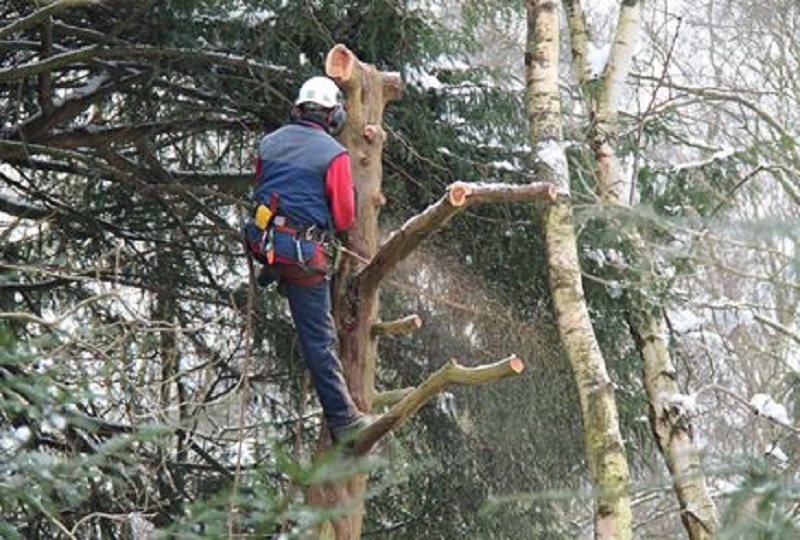
Tree removal is a crucial aspect of maintaining a safe, healthy, and aesthetically pleasing environment. While trees play an essential role in our landscapes, there are times when removal becomes necessary to prevent potential hazards or to enhance the growth of other plants. Understanding which trees are most commonly in need of removal can help you make informed decisions about your property’s care. In this article, we will explore some of the most common trees that may require removal and the reasons why they should be addressed.
1. Dead or Dying Trees
One of the most common reasons trees need to be removed is that they are dead or dying. A tree that is no longer alive poses several risks. Dead trees can attract pests, such as termites or woodpeckers, which can spread to nearby structures or trees. Furthermore, a dying tree is often unstable and can fall unexpectedly, damaging property, power lines, or even causing injury.
The signs of a dead or dying tree include wilting or discolored leaves, cracks or splits in the trunk, and an absence of new growth during the growing season. If you notice these symptoms, it’s essential to consult with a professional tree removal service to assess the tree’s condition and determine whether removal is necessary.
2. Diseased Trees
Trees that are infected with diseases are at risk of deteriorating and becoming hazardous to your property. Common tree diseases, such as Dutch Elm Disease, Oak Wilt, or Root Rot, can weaken a tree’s structural integrity, making it more prone to falling during storms or high winds. Additionally, diseases can spread to nearby trees, causing a wider issue within your landscape.
If a tree shows signs of disease, such as abnormal leaf color, fungal growth on the bark, or early leaf drop, it’s vital to have it evaluated by an arborist. Some tree diseases are contagious and require the removal of affected trees to prevent further damage to your property and other nearby trees.
3. Invasive Tree Species
Certain tree species are considered invasive because they spread aggressively and outcompete native plants for resources like water, sunlight, and soil nutrients. These invasive trees often grow quickly and can disrupt the natural balance of the local ecosystem. Removing invasive species is crucial for the preservation of native plants and the overall health of the environment.
Examples of invasive trees include the Norway Maple, the Tree of Heaven (Ailanthus altissima), and the Black Locust. These trees can overwhelm gardens and yards, block sunlight for other plants, and cause harm to the local wildlife that depends on native species. Identifying and removing these trees promptly can help restore the health of your landscape.
4. Trees That Are Too Close to Structures
Another common reason for tree removal is when a tree is growing too close to structures, such as your home, garage, or power lines. Roots from nearby trees can invade sewer lines, foundation cracks, and plumbing systems, potentially causing severe damage that could be costly to repair. In addition, trees with branches that overhang buildings or power lines can pose a fire hazard or cause damage during storms.
When a tree is too close to a structure, it can also limit access to natural light, obstruct views, or crowd other plants. In these cases, removing the tree may improve the overall aesthetics of your property and reduce the risk of structural damage or safety hazards.
5. Storm-Damaged Trees
Severe weather, such as high winds, heavy rain, or snow, can cause significant damage to trees. Storm-damaged trees often develop structural weaknesses, such as broken branches or leaning trunks, which can make them dangerous. Even if a tree appears healthy after a storm, the damage caused to its roots or trunk may not be immediately visible, but it can lead to future problems.
If a tree has been damaged by a storm, it’s essential to assess whether the tree is still safe. Look for signs such as large cracks in the trunk, split branches, or leaning trees. If a tree has been significantly compromised, removing it is often the best option to avoid future accidents or damage to your property.
6. Overcrowded Trees
Sometimes, trees need to be removed not because they are diseased or dying, but because they are overcrowded. When trees are planted too closely together, they may compete for sunlight, water, and nutrients, which can lead to poor growth and weak trees. Overcrowded trees may also have weak structures because they are not getting enough space to grow properly.
Removing one or more trees in an overcrowded area allows the remaining trees to thrive and grow stronger. This process can improve the overall health of your landscape, reduce the risk of disease, and create a more balanced and visually appealing environment.
7. Trees with Structural Defects
Certain trees may have structural defects that make them more susceptible to falling or breaking apart. These defects can include weak branch attachments, cracks in the trunk, or root problems. Trees with structural defects are at a higher risk of causing damage during strong winds or storms.
If you notice signs of structural instability, such as leaning, hollow areas in the trunk, or large limbs that seem unbalanced, it’s important to have the tree evaluated by an arborist. In some cases, pruning or other corrective measures may be possible, but in others, removal may be the safest option to prevent accidents.
8. Dangerous or Hazardous Trees
Some trees may be inherently hazardous due to their size, location, or species. For example, large trees that are located near homes, driveways, or power lines may pose a greater risk of falling during storms. Similarly, some tree species, such as the Eucalyptus, are known for being particularly prone to breakage or falling during high winds.
Hazardous trees need to be removed promptly to mitigate the risk of property damage or injury. If you have a large tree near your home or in an area that could potentially cause harm, it’s essential to assess whether it should be removed or if preventive measures, such as cabling or pruning, can help improve its safety.
9. Trees Causing Allergies
While not as commonly thought of as a reason for removal, trees that contribute to seasonal allergies can become a concern for homeowners and neighbors. Pollen-producing trees, such as Birch or Cedar, can cause severe allergic reactions in sensitive individuals. In some cases, removing these trees can alleviate symptoms and improve the overall comfort of the area.
If you or your family members suffer from allergies, and the presence of pollen-producing trees is contributing to your discomfort, it may be worth considering removal as an option. Speak with a professional to determine the best approach for eliminating allergy-causing trees.
Final Considerations
Removing trees from your property is a decision that should be made with care and attention to detail. Whether the tree is dead, diseased, invasive, or simply causing potential hazards, addressing the issue promptly can help prevent future problems and enhance the health of your landscape. Always consult with a certified arborist to assess the condition of your trees and determine the most appropriate course of action. A professional tree removal company will ensure that the job is completed safely, efficiently, and in compliance with local regulations.