Nutrition Strategies to Fuel High Intensity Spinning Classes for Performance and Recovery

High intensity indoor cycling places significant demands on the body. Riders are expected to sustain power, manage resistance, and recover quickly between intervals, often within a limited time frame. While structured training plays a key role in performance, nutrition is the foundation that determines how well the body responds to each session. Without proper fuel, even the most motivated participants may struggle with fatigue, slow recovery, or inconsistent results. For those attending spinning classes regularly, aligning nutrition with training demands can make a measurable difference in both performance and long term health.
Unlike casual exercise, spinning involves repeated bursts of intensity that rely heavily on stored energy and efficient metabolic function. The right nutrition strategy supports endurance, maintains focus, and reduces the risk of burnout, allowing participants to train consistently and confidently.
Understanding Energy Demands in Spinning Classes
Spinning classes combine aerobic and anaerobic effort. Steady cadence segments rely on oxygen based energy systems, while climbs and sprints depend on quick energy release from carbohydrates.
Carbohydrates as the Primary Fuel Source
Carbohydrates are the most efficient fuel for high intensity cycling. During spinning sessions, muscles draw on stored glycogen for rapid energy. Inadequate carbohydrate intake can lead to early fatigue, reduced power output, and poor concentration.
The Role of Fat in Sustained Effort
While carbohydrates dominate high intensity work, fat metabolism supports longer steady segments. Well balanced diets help the body use fat more efficiently without compromising performance.
Pre Class Nutrition for Optimal Performance
What you eat before a spinning session directly affects how you feel on the bike.
Timing Matters
Ideally, meals should be consumed one to two hours before class. This allows sufficient digestion while ensuring energy availability.
Balanced Pre Ride Meals
A pre class meal should include easily digestible carbohydrates paired with moderate protein. This combination provides energy while supporting muscle function.
Examples include:
-
Oats with fruit and yoghurt
-
Whole grain toast with nut butter and banana
-
Rice with lean protein and vegetables
Avoiding Digestive Discomfort
Heavy fats or large portions close to class time may cause discomfort. Keeping meals light and familiar helps maintain focus during intense intervals.
Hydration and Electrolyte Balance
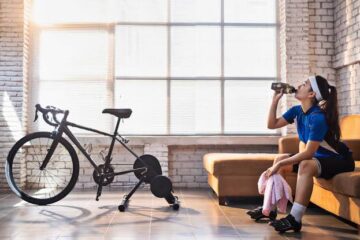
Fluid balance plays a critical role in performance, especially in warm environments.
Importance of Hydration Before Class
Even mild dehydration can reduce endurance and increase perceived effort. Drinking water consistently throughout the day supports optimal performance.
Electrolytes for Longer Sessions
For sessions exceeding moderate intensity or duration, electrolytes help maintain muscle contraction and nerve signalling. Sodium, potassium, and magnesium support hydration balance and reduce cramping risk.
Nutrition During Spinning Sessions
Most standard classes do not require mid workout fueling, but certain situations may benefit from it.
When In Class Fueling Is Helpful
Early morning sessions or back to back classes may warrant small carbohydrate intake during the workout. This helps maintain energy levels without causing digestive strain.
Practical Options
Simple options such as diluted sports drinks or small sips of carbohydrate based beverages can provide quick energy when needed.
Post Class Recovery Nutrition
Recovery nutrition determines how quickly the body adapts and prepares for the next session.
Replenishing Glycogen Stores
After spinning, muscles are primed to absorb carbohydrates. Consuming carbohydrates within one hour of class helps restore glycogen levels efficiently.
Protein for Muscle Repair
Protein supports muscle recovery and adaptation. Including a protein source post workout helps reduce soreness and supports long term strength development.
Examples include:
-
Smoothies with fruit and protein
-
Rice or noodles with lean protein
-
Yoghurt with nuts and seeds
Supporting Recovery With Micronutrients
Vitamins and minerals such as iron, calcium, and B vitamins support energy production and muscle function. Whole foods provide these nutrients naturally and consistently.
Nutrition for Weight Management Without Energy Loss
Many participants attend spinning classes for weight management, but under fueling can be counterproductive.
Avoiding Extreme Calorie Restriction
Restricting calories too aggressively can impair performance and slow metabolism. Consistent energy intake supports training quality and sustainable progress.
Strategic Portion Control
Focusing on nutrient dense foods rather than drastic reductions helps manage body composition while maintaining strength and stamina.
Plant Based and Flexible Diet Approaches
Different dietary preferences can still support high intensity cycling.
Plant Based Nutrition for Spinning
Plant based diets can support performance when planned carefully. Emphasising legumes, whole grains, fruits, and vegetables ensures adequate carbohydrate and protein intake.
Flexible Eating for Busy Lifestyles
Rigid diets often fail in real world settings. Flexible approaches that prioritise balance and consistency tend to support better adherence and long term results.
Common Nutrition Mistakes in Spinning Participants
Understanding common pitfalls helps prevent performance plateaus.
Skipping Meals Before Class
Training on an empty stomach may reduce output and increase perceived difficulty, especially for high intensity sessions.
Over Reliance on Supplements
While supplements can support specific needs, whole foods should form the foundation of any nutrition plan.
Ignoring Recovery Nutrition
Consistently skipping post class meals can slow recovery and increase fatigue over time.
Building a Sustainable Nutrition Routine
Sustainability is key for long term success.
Aligning Meals With Training Schedule
Planning meals around class times reduces guesswork and supports consistency.
Listening to Body Signals
Hunger, energy levels, and recovery cues provide valuable feedback. Adjusting intake based on these signals supports both performance and well being.
For participants looking to combine structured training with effective fueling strategies, True Fitness Singapore offers indoor cycling programmes that encourage performance focused habits while supporting overall wellness.
FAQs on Nutrition and Spinning Classes
What should I eat if I attend an early morning spinning class?
A small carbohydrate rich snack such as fruit or toast can provide energy without causing discomfort.
Do I need supplements for spinning classes?
Most participants meet their needs through balanced meals. Supplements may be useful in specific cases but are not essential.
How much protein do spinning participants need?
Protein needs vary by individual, but regular intake across meals supports recovery and muscle health.
Can I lose weight while eating enough for spinning?
Yes, focusing on quality food choices and consistent intake supports fat loss without sacrificing performance.
Is hydration really that important for indoor cycling?
Yes, dehydration affects endurance, focus, and recovery, even in indoor environments.
Can I spin on a low carbohydrate diet?
Low carbohydrate approaches may reduce high intensity performance. Adjustments are often needed to maintain energy.
How soon should I eat after a spinning class?
Eating within one hour supports recovery and prepares the body for future sessions.
By aligning nutrition with training demands, spinning participants can enhance performance, recover more effectively, and build sustainable fitness habits that support long term health and enjoyment.