Essential Equipment for a Catering Startup
Starting a catering business requires more than cooking skills and a good menu. The right equipment ensures food is prepared efficiently, transported safely, and presented professionally during events. Reliable tools help maintain food quality, safety standards, and smooth service operations.
Investing in essential catering equipment from the beginning can reduce operational issues and improve overall efficiency. Whether serving small private parties or large corporate events, having the proper setup allows a catering startup to deliver consistent results and handle growing demand.
Commercial Cooking Equipment
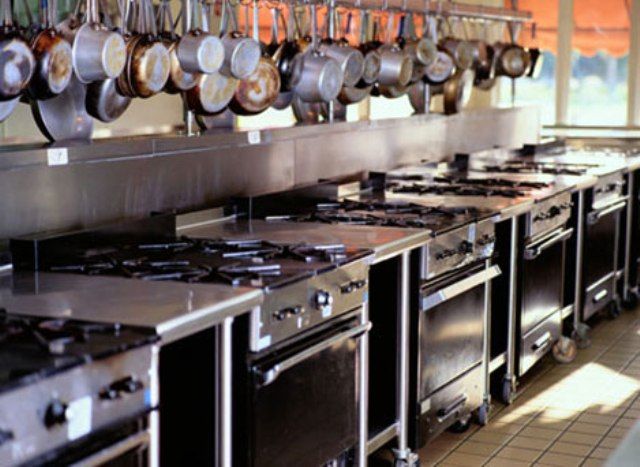
Professional-grade cooking appliances are the backbone of any catering operation. They allow chefs to prepare large quantities of food quickly and safely.
Essential cooking equipment
- Commercial ovens for baking and roasting
- Gas or electric ranges for cooking multiple dishes
- Large stockpots and sauté pans
- Commercial griddles for breakfast or grilled foods
- Food processors for chopping and blending ingredients
High-quality cooking equipment helps caterers prepare meals efficiently while maintaining consistent flavor and texture.
Food Storage and Refrigeration
Proper storage keeps ingredients fresh and prevents food spoilage. Reliable refrigeration is essential for both preparation and transportation.
Important storage equipment
- Commercial refrigerators and freezers
- Food storage containers with airtight lids
- Ingredient bins for dry goods such as flour or rice
- Cold boxes or insulated containers for transport
Maintaining proper storage conditions ensures food safety and longer shelf life for ingredients.
Food Preparation Tools
Preparation tools help streamline the cooking process and improve efficiency in the kitchen.
Common preparation tools
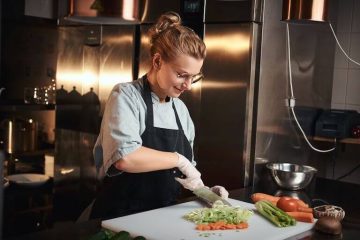
- Chef’s knives and cutting boards
- Mixing bowls in different sizes
- Measuring cups and spoons
- Vegetable peelers and graters
- Whisks, spatulas, and ladles
These tools support precise preparation and faster workflow during busy catering events.
Food Holding and Warming Equipment
Catered food often needs to stay warm for extended periods before serving. Proper warming equipment ensures dishes remain at safe temperatures.
Essential warming tools
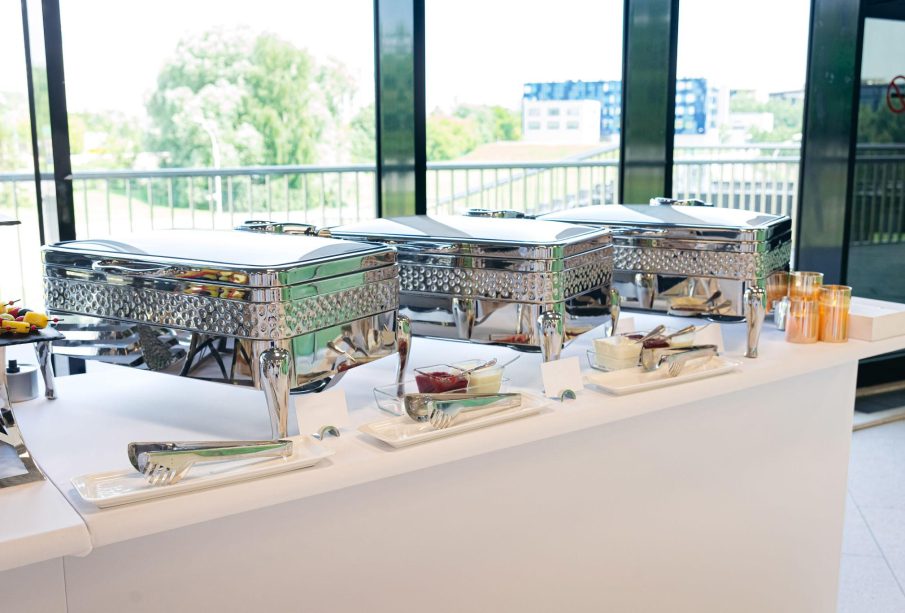
- Chafing dishes for buffet-style service
- Food warmers or hot holding cabinets
- Portable heating elements or burners
- Insulated food carriers
These tools help maintain food temperature and quality during service.
Serving Equipment
Serving equipment plays a major role in food presentation and efficient guest service.
Basic serving supplies
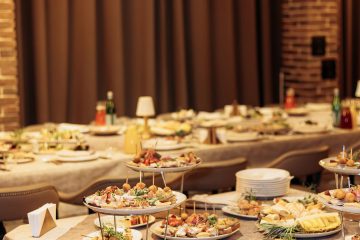
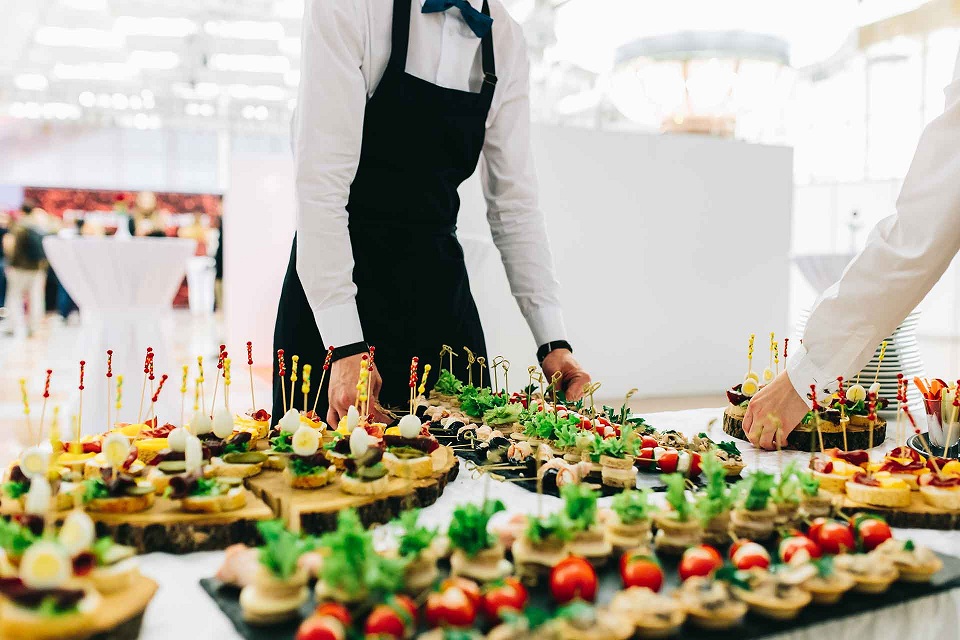
- Serving trays and platters
- Buffet stands and display racks
- Serving spoons, tongs, and ladles
- Beverage dispensers for drinks
- Plates, bowls, and cutlery for guests
Professional serving equipment ensures food looks appealing and organized during events.
Transportation Equipment
Catering businesses frequently transport food and equipment to event locations. Proper transport tools help maintain food safety and organization.
Essential transport items
- Insulated food carriers
- Durable transport boxes for utensils and equipment
- Rolling carts or dollies for heavy items
- Secure containers to prevent spills during travel
Efficient transportation equipment helps deliver food fresh and intact to event venues.
Cleaning and Sanitation Supplies
Cleanliness is essential in any food business. Catering operations must follow strict hygiene standards.
Important sanitation equipment
- Dishwashing stations or portable sinks
- Food-safe cleaning solutions
- Disposable gloves and hairnets
- Trash bins and waste disposal containers
- Sanitizing wipes and cloths
Maintaining sanitation ensures compliance with health regulations and safe food handling.
Event Setup Equipment
In addition to kitchen tools, caterers often provide equipment for event setup.
Event service equipment
- Folding tables for buffet setups
- Tablecloths and decorative linens
- Portable lighting for evening events
- Menu labels and signage
- Portable handwashing stations if required
Event setup tools help create professional and visually appealing catering displays.
Tips for Choosing Catering Equipment
Selecting the right equipment requires careful planning to balance cost and quality.
Helpful equipment selection tips
- Start with essential tools before investing in advanced equipment
- Choose durable and easy-to-clean materials
- Consider portable equipment for mobile catering
- Purchase energy-efficient appliances when possible
Strategic equipment purchases allow startups to manage costs while building a reliable catering setup.
Frequently Asked Questions (FAQs)
1. What equipment is most important for a catering startup?
Commercial cooking equipment, refrigeration units, serving tools, and insulated food carriers are among the most essential items for starting a catering business.
2. Can catering equipment be rented instead of purchased?
Yes, many catering startups rent equipment for large events to reduce initial investment costs.
3. How much equipment does a small catering business need?
A small catering business can begin with basic cooking, storage, and serving equipment, expanding as the business grows.
4. Why are insulated food carriers important in catering?
They help maintain proper food temperature during transportation, ensuring food safety and quality.
5. What type of cookware is best for catering kitchens?
Durable materials such as stainless steel and cast iron are commonly used because they withstand heavy use.
6. How do caterers keep food warm during events?
Caterers often use chafing dishes, hot holding cabinets, and insulated carriers to maintain temperature.
7. How can new catering businesses reduce equipment costs?
Startups can reduce expenses by buying essential equipment first, purchasing used items in good condition, or renting specialized equipment when needed.