How to Plan the Perfect Catering Event

Planning a successful catering event requires careful coordination, attention to detail, and strong organization. Whether it is a corporate function, wedding reception, birthday celebration, or private gathering, the goal is to create an enjoyable experience where food, service, and atmosphere work together seamlessly.
A well-planned catering event ensures guests are satisfied, the event runs smoothly, and the host feels confident that every detail has been handled professionally.
Understand the Event Type and Goals
The first step in planning a catering event is understanding the purpose and expectations of the gathering.
Important questions to consider
- What type of event is being hosted?
- How many guests will attend?
- What is the overall theme or style?
- What is the available budget?
Clarifying these details helps guide decisions related to menu planning, service style, and presentation.
Choose the Right Catering Style
Different events require different catering formats. Selecting the right style improves guest experience and service efficiency.
Common catering styles
- Buffet service for large gatherings with flexible portions
- Plated meals for formal events such as weddings
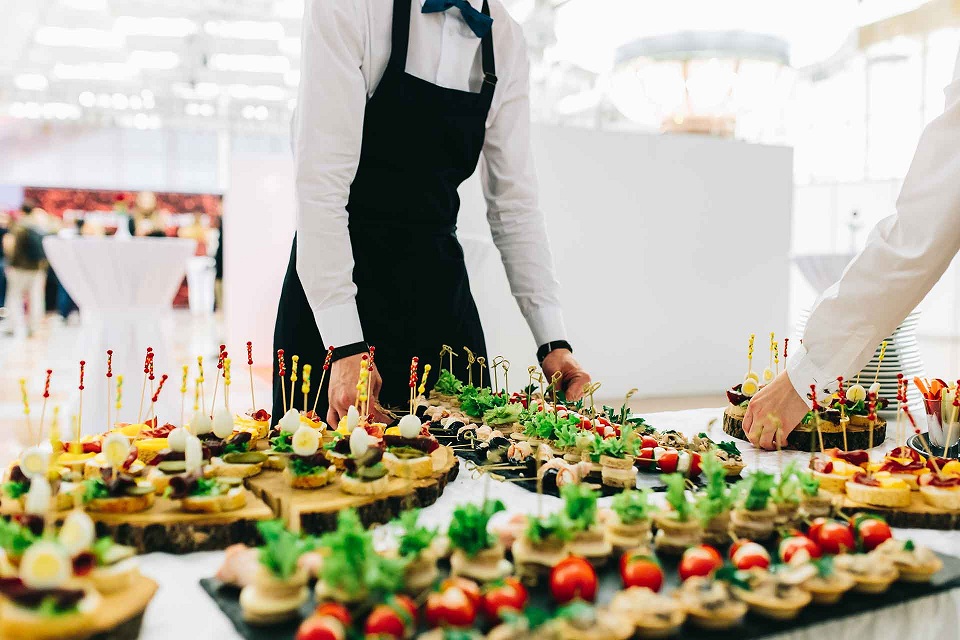
- Cocktail-style catering with small appetizers
- Family-style dining for casual gatherings
The chosen style should match the tone and size of the event.
Design a Balanced Menu
A well-designed menu should offer variety while accommodating different dietary preferences.
Key elements of a catering menu
- Appetizers or starter dishes
- Main course options with proteins and vegetables
- Side dishes such as salads or grains
- Desserts and beverages
Including vegetarian, vegan, or gluten-free choices ensures all guests can enjoy the meal.
Estimate Food Quantities
Accurate portion planning prevents food shortages or excessive waste.
Helpful planning guidelines
- Plan slightly more food than the expected guest count
- Consider the duration of the event
- Adjust quantities based on meal type (full meal vs. light snacks)
- Account for dietary preferences or restrictions
Careful portion planning helps maintain smooth service throughout the event.
Organize Staffing and Service
Professional service staff ensure food is served efficiently and guests feel well attended.
Catering staff roles
- Chefs and kitchen assistants for food preparation
- Servers for plated meals or buffet supervision
- Bartenders for beverage service
- Event coordinators to manage logistics
Having the right team ensures timely service and a positive guest experience.
Plan the Event Setup
The physical setup of the catering area affects both convenience and presentation.
Setup considerations
- Buffet table placement for easy guest access
- Adequate seating arrangements
- Attractive table decorations and linens
- Proper lighting for evening events
An organized setup creates a comfortable and visually appealing environment.
Manage Food Safety and Hygiene
Food safety is critical during catering events to protect guests and maintain professional standards.
Essential safety practices
- Maintain proper food temperatures
- Use clean serving utensils and equipment
- Store ingredients safely during transport
- Train staff on hygiene and sanitation procedures
Following safety guidelines ensures safe and reliable food service.
Coordinate Timing and Logistics
Proper timing keeps the event running smoothly from start to finish.
Important scheduling steps
- Prepare food in advance when possible
- Schedule delivery and setup times
- Plan serving times for each course
- Coordinate cleanup and equipment removal
Effective logistics management ensures a seamless catering experience.
Focus on Presentation and Guest Experience
Food presentation and overall atmosphere play a major role in how guests perceive the event.
Presentation tips
- Arrange dishes neatly on serving platters
- Use decorative elements such as flowers or greenery
- Label menu items clearly
- Maintain clean and organized serving areas
Thoughtful presentation enhances both visual appeal and guest satisfaction.
Prepare for Unexpected Situations
Even well-planned events may face unexpected challenges.
Backup planning ideas
- Prepare extra portions of key dishes
- Keep additional serving utensils available
- Have contingency plans for weather at outdoor events
- Assign staff to handle last-minute adjustments
Being prepared helps maintain professional service under any circumstances.
Frequently Asked Questions (FAQs)
1. How far in advance should a catering event be planned?
Most catering events should be planned at least several weeks or months in advance, especially for large gatherings.
2. What is the best catering style for large events?
Buffet-style catering is often ideal for large events because it allows guests to serve themselves and reduces service time.
3. How much food should be prepared per guest?
Portion planning depends on the menu, but caterers typically prepare slightly more food than the expected guest count to avoid shortages.
4. What factors affect catering costs?
Costs depend on menu complexity, number of guests, service style, staff requirements, and event location.
5. How can caterers handle dietary restrictions?
Providing clearly labeled dishes and offering alternative menu options helps accommodate dietary needs.
6. What is the role of a catering event coordinator?
An event coordinator manages logistics, schedules, communication, and overall event flow.
7. How can hosts ensure guests enjoy the catering experience?
Good food, professional service, comfortable seating, and attractive presentation all contribute to a positive guest experience.