How Polyurethane Mouldings Instantly Elevate Interior Design
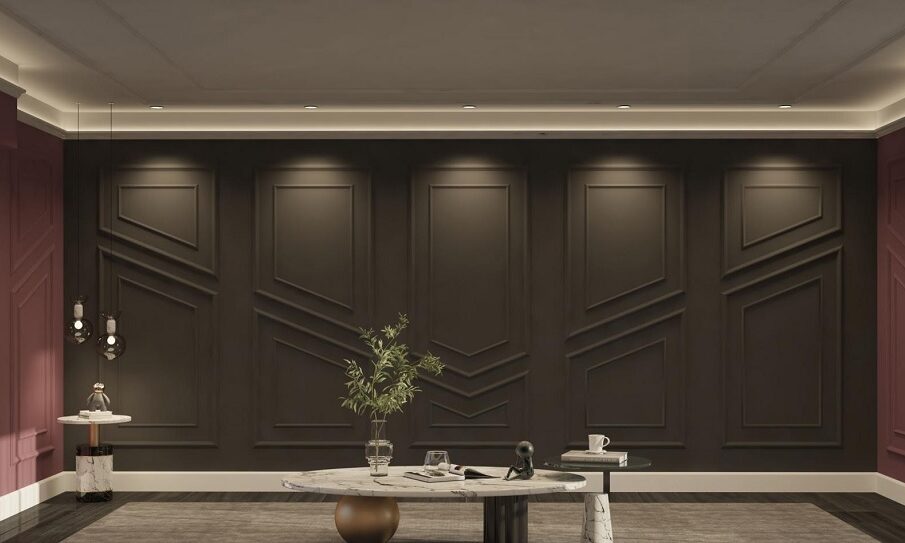
Finishing details are what separate a room that feels complete from one that feels unfinished. In Thai homes, condos, and shophouses, the space between walls and floors, or walls and ceilings, is often overlooked. Yet it’s precisely here that polyurethane mouldings make their biggest impact. These lightweight, durable trims add visual structure without the complexity of traditional materials.
Polyurethane skirting boards (known as บัวพื้นโพลียูรีเทน in Thai) are becoming increasingly popular across Bangkok apartments and provincial homes alike for good reason. Unlike timber or plaster alternatives, polyurethane handles Thailand’s humidity and temperature fluctuations exceptionally well. It doesn’t warp, crack, or absorb moisture, a genuine advantage in a tropical climate where even air-conditioned rooms experience daily shifts in humidity.
In older-style shophouses and heritage properties, polyurethane skirting boards offer a practical way to restore architectural character. Many of these buildings feature high ceilings and decorative wall treatments that benefit from a finished base detail. Installing these mouldings gives the room a grounded, polished look without requiring the skilled labour or lengthy drying times that lime plaster or carved timber would demand.
Why Mouldings Matter in Thai Interior Design
Thai interior design has evolved significantly over recent decades. Urban condos tend toward minimal, clean aesthetics, while suburban homes often mix contemporary layouts with traditional Thai or colonial-influenced decorative elements. Mouldings sit comfortably in both settings.
Ceiling cornices and wall panel mouldings give plain concrete walls, the default in most Thai construction, a sense of depth and architecture. A bare concrete wall painted white reads very differently once a simple cornice or dado rail is added. The room gains proportion and visual interest without changing its footprint.
Choosing the Right Profile for Your Space
Profile selection depends on ceiling height and the overall design direction of a room.
- Low-ceiling condos benefit from slim, flat profiles that define the room without visually closing it in.
- Double-volume spaces in larger homes can carry ornate cornice profiles that add drama to the upper walls.
- Shophouses and heritage renovations often suit egg-and-dart or stepped profiles that reference classical Thai-colonial architectural details.
Matching the scale of the moulding to the scale of the room is the most important decision you’ll make. Oversized profiles in compact rooms feel heavy; undersized ones look like an afterthought.
Installation and Maintenance in a Tropical Climate
Polyurethane mouldings are cut and fixed with standard adhesive and finishing nails, then filled and painted. In Thailand’s climate, they outperform wood and plaster because they are non-porous and dimensionally stable. They won’t attract termites, a common concern in many parts of the country, and they clean easily with a damp cloth.
Most polyurethane mouldings accept water-based paint, which is both easier to apply in humid conditions and better for indoor air quality.
Mouldings are a small investment with a large visual return. In Thai homes and condos, where architectural detailing is often minimal by default, adding skirting boards, cornices, or panel mouldings can transform how a space feels entirely. Start with one room, choose a profile that suits the ceiling height, and see the difference a finishing detail makes.