Building a Home on a Budget: Tips and Tricks
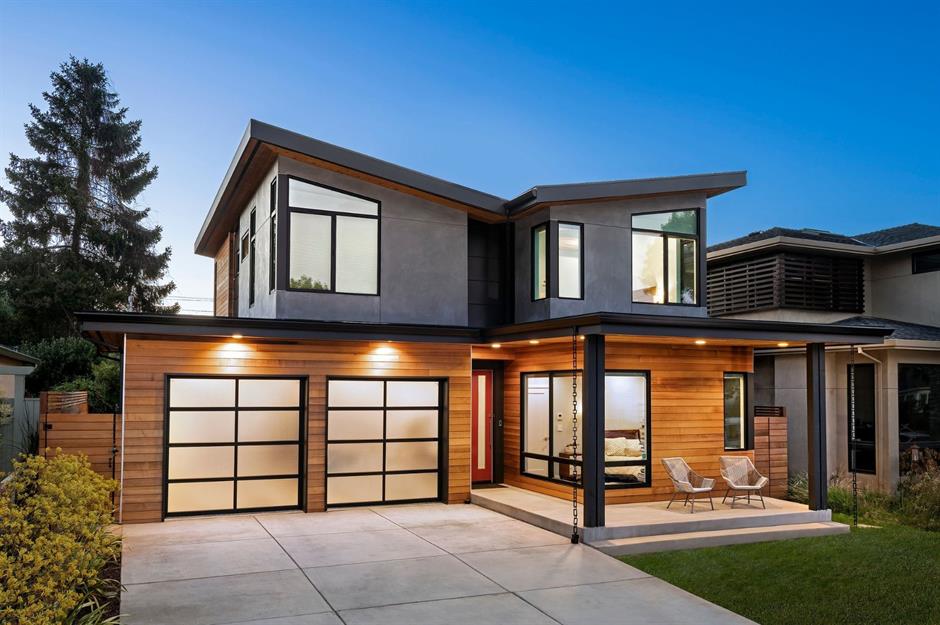
Building a home is one of life’s most significant investments, yet it need not drain your finances. With careful planning, thoughtful choices, and an eye for efficiency, you can construct a beautiful and functional home without compromising quality. Below are essential strategies to help you build a home on a budget, all while achieving an inspired and timeless look.
1. Begin with a Realistic Budget
A well-defined budget is the cornerstone of any cost-effective home-building project. Start by determining how much you can comfortably spend, factoring in land costs, construction expenses, permits, and unexpected contingencies.
Collaborate with financial advisors or contractors to itemize costs and establish clear priorities. Knowing where your money is allocated will help you stay on track and avoid overspending. The clarity a realistic budget provides ensures you focus on what matters most without unnecessary compromises.
2. Choose the Right Location
The location of your home significantly impacts the overall cost. Opting for land in emerging neighborhoods or areas slightly removed from bustling city centers can yield substantial savings.
However, consider factors like accessibility, safety, and future growth potential. A well-located plot that aligns with your budget can also appreciate over time, offering value beyond the initial savings. Balancing affordability with convenience ensures your investment remains practical and forward-thinking.
3. Opt for a Simple Design
Complex architectural designs often increase construction costs due to intricate structures, materials, and labor requirements. Simplicity, on the other hand, can yield both aesthetic elegance and financial efficiency.
Choose streamlined layouts with fewer corners, minimalistic rooflines, and open floor plans. These designs not only reduce costs but also offer versatility for future modifications. A well-thought-out simple design ensures you achieve functionality without unnecessary expenses.
4. Use Cost-Effective Materials
The materials you choose play a crucial role in controlling expenses. Consider alternatives like engineered wood, metal roofing, or reclaimed materials, which offer durability at a fraction of the cost of high-end options.
Consult with contractors to find materials that strike a balance between affordability and longevity. Additionally, sourcing locally produced materials can reduce transportation costs and support regional industries, making your choices both economical and sustainable.
5. Prioritize Energy Efficiency
Investing in energy-efficient solutions during the building phase can lead to significant savings over time. Features such as high-quality insulation, energy-efficient windows, and LED lighting reduce utility costs while enhancing comfort.
Solar panels, though an upfront expense, can provide long-term benefits by offsetting electricity costs. By prioritizing energy efficiency, you create a home that is both budget-conscious and environmentally responsible.
6. Plan for Multi-Functional Spaces
Designing rooms that serve multiple purposes can reduce the size and scope of your home without sacrificing functionality. A guest room can double as a home office, while an open living and dining area can save on partitioning costs.
Multi-functional spaces not only streamline construction but also add flexibility to your living arrangements. Thoughtful layouts maximize every square foot, ensuring no area goes to waste.
7. Take a DIY Approach Where Possible
Certain aspects of home building, such as painting, landscaping, or assembling furniture, can be done yourself to save on labor costs. While skilled tasks like electrical wiring or plumbing should be left to professionals, taking on smaller projects adds a personal touch while keeping expenses in check.
Ensure you have the right tools and knowledge before embarking on any DIY work. A carefully executed hands-on approach can yield both savings and satisfaction.
8. Work with Trusted Professionals
Choosing the right builder or contractor can significantly impact your project’s success. Seek recommendations, review portfolios, and interview multiple candidates to find professionals who respect your budget while maintaining quality.
A reputable team will help you identify cost-saving opportunities without cutting corners. Their experience ensures that your home is built efficiently, minimizing delays and unnecessary expenses.
9. Avoid Over-Customization
Personal touches are important, but excessive customization can inflate costs quickly. Stick to standard sizes and finishes for elements like doors, windows, and cabinetry to keep costs manageable.
Opt for neutral, timeless designs that can be enhanced with décor later. This approach allows you to achieve a personalized aesthetic while maintaining financial practicality.
10. Plan for Future Additions
If your budget doesn’t allow for everything on your wishlist, consider designing your home with expansion in mind. Create a foundation and layout that accommodates future rooms or features, such as an additional bathroom or garage.
By planning for growth, you can complete your home in phases, spreading out expenses over time. This approach ensures your home evolves with your needs while staying within budget.
Crafting a Home with Purpose and Prudence
Building a home on a budget doesn’t mean settling for less. By prioritizing thoughtful design, strategic planning, and efficient materials, you can create a space that is both cost-effective and enduringly beautiful. With every choice rooted in purpose, your home will stand as a testament to practicality and refined vision.