Cleaning Shortcuts Only Experts Know: Save Time, Effort, and Money
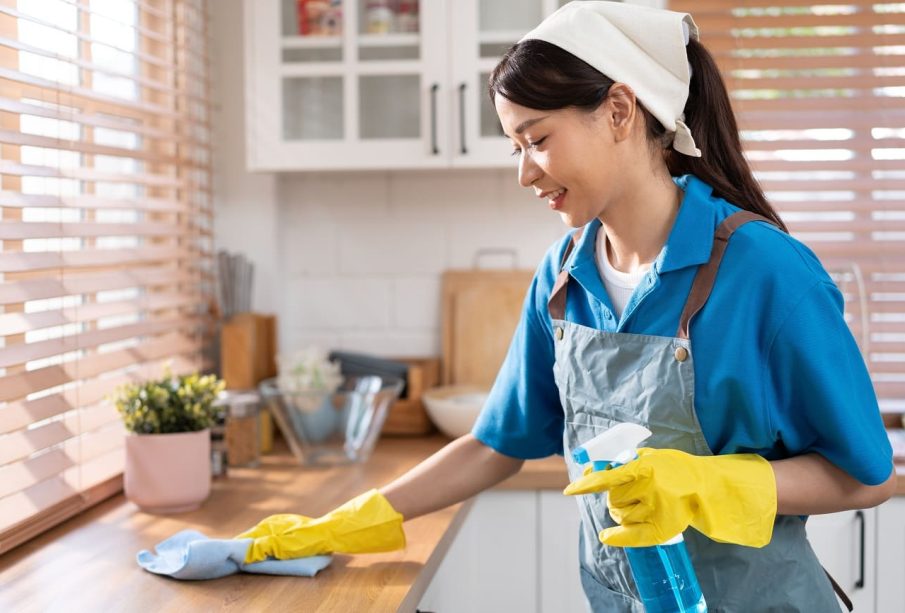
Professional cleaners don’t rely on endless scrubbing or expensive products. Their secret lies in strategy, timing, and technique. With the right shortcuts, cleaning becomes faster, easier, and far more effective. Below are expert-approved methods that transform everyday cleaning into a streamlined process.
Start With Dry Cleaning First
One of the biggest professional secrets is always cleaning dry before wet. Dust and debris are easier to remove when surfaces are dry.
Why it works
-
Prevents turning dust into stubborn grime
-
Reduces streaks and residue
-
Saves water and cleaning products
Apply this method to
-
Dusting shelves before wiping
-
Sweeping floors before mopping
-
Vacuuming upholstery before spot-cleaning
Let Cleaners Do the Work for You
Experts never spray and scrub immediately. They allow products time to break down dirt.
Professional rule
-
Spray → wait 5–10 minutes → wipe
This technique is especially powerful for:
-
Bathroom tiles
-
Kitchen grease
-
Shower doors
-
Oven interiors
The longer dwell time reduces elbow grease and protects surfaces.
Clean Top to Bottom, Always
This rule alone can cut cleaning time in half. Gravity works for you, not against you.
Correct order
-
Ceiling fans and vents
-
Shelves and furniture
-
Countertops
-
Floors
By working downward, you avoid re-cleaning areas that collect falling dust.
Use One Tool for Multiple Jobs
Professionals rely on multi-purpose tools, not cluttered cabinets.
Expert favorites
-
Microfiber cloths for dusting, glass, and polishing
-
Old toothbrushes for grout, faucets, and corners
-
Squeegees for showers, mirrors, and windows
Fewer tools mean faster decisions and consistent results.
Clean in Zones, Not Rooms
Instead of finishing one room at a time, experts clean by task.
Zone-based approach
-
Dust all surfaces throughout the home
-
Wipe all mirrors and glass at once
-
Vacuum all floors in one pass
This method builds rhythm, reduces mental fatigue, and increases efficiency.
Use Heat to Your Advantage
Heat loosens grime faster than cold methods.
Smart heat shortcuts
-
Steam-clean microwaves with a bowl of hot water
-
Use hot water on greasy kitchen surfaces
-
Warm vinegar slightly for tougher buildup
Heat softens residue, making stains easier to wipe away.
Prevent Dirt Instead of Fighting It
Professionals spend more time preventing messes than fixing them.
Prevention strategies
-
Door mats inside and outside entrances
-
Shower squeegee after every use
-
Lining fridge shelves and trash bins
Less buildup means less deep cleaning later.
Spot-Clean Daily, Deep-Clean Less
Experts rarely let messes pile up.
Daily habits that save hours
-
Wipe sinks before bed
-
Clear kitchen counters nightly
-
Do quick floor sweeps in high-traffic areas
Small daily actions eliminate the need for exhausting weekend cleanups.
Master the Two-Cloth Method
This expert-only trick prevents streaks and residue.
How it works
-
Cloth one: damp, for cleaning
-
Cloth two: dry, for buffing
This method is especially effective on:
-
Glass
-
Stainless steel
-
Mirrors
-
High-gloss surfaces
Know When Not to Use Chemicals
More product doesn’t mean better results.
Surfaces experts clean with minimal solutions
-
Wood furniture
-
Stone countertops
-
Electronics
Overuse can damage finishes and attract more dirt over time.
FAQs
What is the fastest way to clean a house like a professional?
Focus on dry cleaning first, work top to bottom, and clean by task instead of room. These three habits dramatically reduce time.
Do professional cleaners use natural or chemical products?
Most use a mix. Natural products work well for daily maintenance, while targeted chemicals handle heavy buildup.
How often should deep cleaning be done?
High-traffic homes benefit from deep cleaning every 3–4 months, while light-use homes can extend this to twice a year.
Why are microfiber cloths better than regular cloths?
They trap dirt instead of spreading it and require less product to achieve better results.
Is steam cleaning better than chemical cleaning?
Steam works exceptionally well for sanitizing and loosening grime, but it’s not suitable for all surfaces like wood or delicate finishes.
What’s the most overlooked cleaning shortcut?
Allowing cleaners time to sit before wiping. This single habit saves effort and protects surfaces.
How do professionals avoid streaks on glass and mirrors?
They use the two-cloth method and clean when surfaces are cool and out of direct sunlight.