Common Myths About Home Heaters Debunked
Home heating is a topic surrounded by numerous myths and misconceptions. With the ever-increasing energy costs and the drive to keep homes comfortable during colder months, homeowners often find themselves unsure of the best practices when it comes to heating their homes. Some common beliefs about home heaters can lead to inefficient use or unnecessary maintenance, while others simply lack the facts. To help you better understand how home heaters work and how to maintain them for maximum efficiency, let’s explore some of the most prevalent myths and provide the facts that debunk them.
Myth 1: “Turning the Heater Up High Will Heat the Home Faster”
It’s a natural instinct to turn the thermostat up to its highest setting when you want warmth quickly. However, this is a common misconception. Home heaters work at a set rate of energy output, regardless of whether you set the temperature higher or lower. Cranking the thermostat to maximum doesn’t speed up the heating process; it simply makes the heater work harder, which can cause wear and tear over time and lead to unnecessarily high energy bills.
Instead, it’s better to set the thermostat to a comfortable temperature and let the heater gradually do its job. Most modern heating systems are designed to regulate temperature efficiently once set at an ideal level, meaning it will reach the target temperature without needing to be cranked up.
Myth 2: “Closing Vents in Unused Rooms Saves Energy”
Many homeowners believe that closing vents in rooms they don’t use will direct all the warm air to the areas they do use, ultimately saving energy. Unfortunately, this is not true. In fact, closing vents can disrupt the balance of your heating system, especially if you have a central heating system. Heating systems are designed to heat the entire home evenly, and closing off certain rooms can lead to an increase in pressure within the ductwork, which could strain the system and lead to inefficiency.
Instead, ensure that vents are open and unobstructed. If you need to heat specific rooms more effectively, consider using supplementary space heaters in those areas, or better yet, install a zoned heating system that allows you to control the temperature of each room individually.
Myth 3: “Space Heaters Are a Safe and Efficient Solution for Heating an Entire Home”
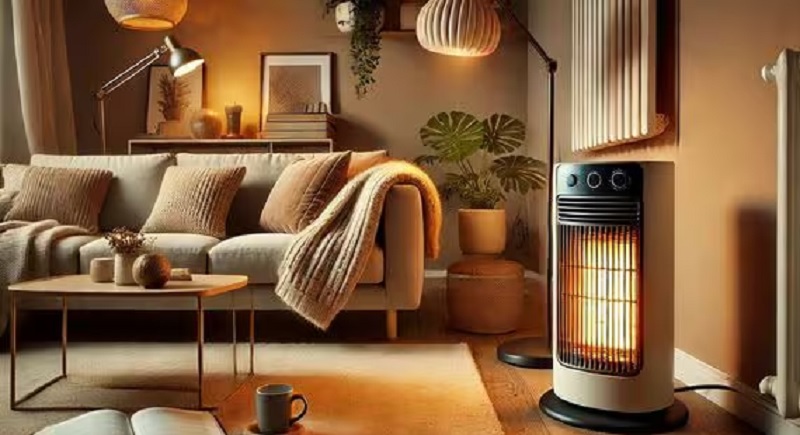
Space heaters can be a useful tool for quickly warming up small areas, but they are not designed to heat large spaces or entire homes. Some believe that simply placing a space heater in a central area can replace the need for a central heating system, but this can be both inefficient and unsafe. Space heaters use a significant amount of energy, and running them constantly can increase your energy costs substantially.
Additionally, space heaters are a fire hazard if left unattended or placed too close to flammable materials. They should never be used as a primary heating source for an entire home. Instead, they are best used as a supplementary heating option for individual rooms or areas where you need immediate warmth. For the rest of your home, it’s more efficient and safer to rely on your central heating system.
Myth 4: “Turning Off the Heater When You Leave Saves Energy”
Another common belief is that turning off the heater when you leave the house will save energy and reduce your heating bill. While it seems logical, this is not necessarily the case. If you turn off your heater and the house cools down significantly, it will require more energy to heat it back up to a comfortable level once you return. In fact, some studies suggest that keeping the home at a consistent, lower temperature when you’re away is more energy-efficient than constantly turning the heat off and on.
A more energy-efficient solution would be to invest in a programmable thermostat. These devices allow you to set the temperature to automatically lower when you’re not home and raise when you return, ensuring comfort while minimizing energy waste.
Myth 5: “Newer, More Expensive Heaters Are Always Better”
While newer and more expensive heaters often come with the latest technology and energy-efficient features, it doesn’t mean they are always the best choice for your home. The effectiveness of a heater depends on various factors, including the size of the home, insulation, and your specific heating needs. Sometimes, an older model may perform just as well if it’s been properly maintained, and it could be more than adequate for your space.
Before investing in a new heater, consider having your current system inspected to ensure it’s functioning properly. Sometimes, cleaning ducts, replacing filters, or upgrading the thermostat can improve performance without the need for a major new purchase. If you do decide to buy a new system, make sure to choose one that is appropriately sized for your home and energy-efficient for your needs.
Myth 6: “Space Heater Placement Doesn’t Matter”
The placement of a space heater is crucial to both its efficiency and safety. Many people assume that simply placing the heater wherever is convenient will provide adequate warmth, but this is not the case. A space heater should always be placed on a flat, stable surface, and it should be kept away from walls, curtains, or furniture to allow for proper airflow. When placed in the right location, the heater can distribute warmth more evenly across the room.
Avoid placing space heaters in corners or behind large furniture pieces, as these can block airflow and reduce the heater’s effectiveness. It’s also essential to follow the manufacturer’s instructions regarding placement and safety clearances to prevent overheating and fire hazards.
Myth 7: “Thermostats Are the Same, No Matter What Model You Choose”
Not all thermostats are created equal. While it may seem like a minor detail, the type of thermostat you choose can significantly impact the efficiency of your heating system. Traditional manual thermostats may not offer the precision and control that programmable or smart thermostats do. A programmable thermostat allows you to set specific times for your heating system to turn on and off, offering more flexibility and energy savings. Smart thermostats go a step further by learning your schedule and adjusting the temperature automatically, even remotely, through your smartphone.
Upgrading your thermostat to a more advanced model can lead to long-term energy savings and more precise temperature control, ensuring that you only use energy when necessary.
Myth 8: “Heaters Require Little to No Maintenance”
While heaters are designed to be reliable, they do require periodic maintenance to run efficiently. Regularly changing air filters, cleaning ducts, and scheduling professional inspections are essential for keeping your heater in optimal working condition. Neglecting regular maintenance can lead to reduced efficiency, higher energy bills, and even system breakdowns.
Be sure to follow your manufacturer’s maintenance guidelines to ensure the longevity of your heater. A well-maintained system will operate more efficiently, keep your home warmer, and reduce the likelihood of costly repairs.
Setting the Record Straight
By debunking these common myths, homeowners can make informed decisions about their heating systems, improving energy efficiency and comfort while avoiding costly mistakes. Remember that the key to a comfortable, efficient home heating system lies in proper maintenance, smart usage, and understanding how your heater truly works.