How to Build a Successful Food Brand
Building a successful food brand requires far more than great recipes. In today’s competitive market, consumers choose products not only for taste but also for brand identity, quality, trust, and storytelling. A strong food brand combines consistent product quality with strategic marketing and customer connection.
Whether launching a packaged food product, restaurant concept, or specialty food line, success depends on clear positioning, memorable branding, and a deep understanding of customer preferences.
Understanding Your Target Market
Before creating a food brand, it is essential to identify the audience you want to serve. Understanding customer behavior helps shape your product, pricing, and messaging.
Key factors to analyze
- Customer demographics such as age, income level, and lifestyle
- Dietary preferences like vegan, organic, or gluten-free
- Buying habits and preferred shopping platforms
- Popular food trends within your region
By focusing on a specific market segment, your brand can develop products that solve real customer needs.
Develop a Unique Brand Identity
A strong brand identity differentiates your product from competitors. It defines how customers perceive your food business.
Elements of a powerful food brand
- Brand name: memorable and easy to pronounce
- Logo and visual style: recognizable colors and typography
- Brand story: the inspiration and values behind the brand
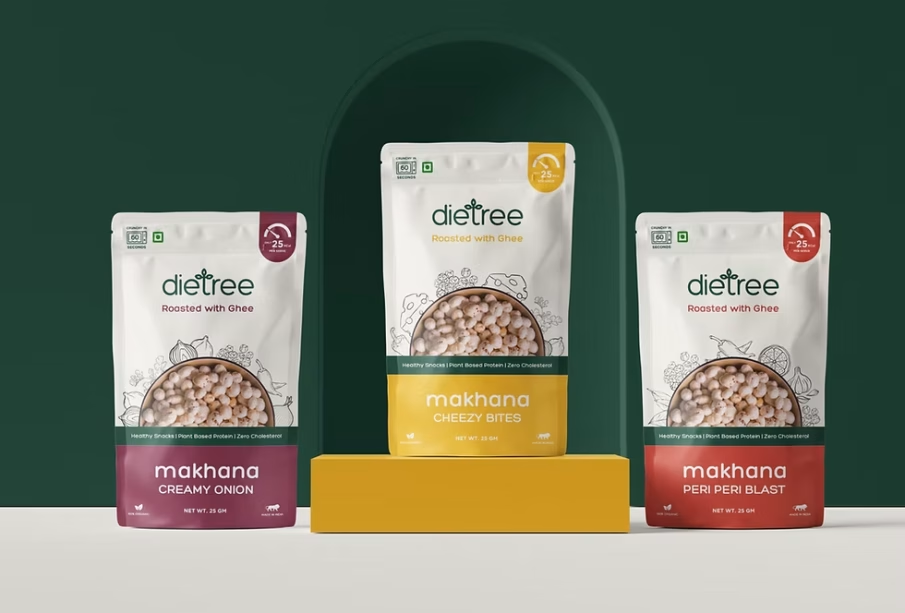
- Packaging design: attractive, functional, and informative
A compelling identity helps build emotional connections with consumers, which encourages loyalty and repeat purchases.
Focus on High-Quality Products
No marketing strategy can compensate for poor quality. Consistent taste and ingredient quality are essential for long-term success.
Ways to maintain product quality
- Source fresh and reliable ingredients
- Standardize recipes and preparation methods
- Conduct regular taste testing and quality checks
- Follow strict food safety and hygiene standards
Customers return to brands they trust for reliable flavor, freshness, and safety.
Create Attractive Packaging
Packaging plays a major role in how food products are perceived on store shelves or online.
Important packaging elements
- Clear product labeling and nutritional information
- Visually appealing design that reflects the brand personality
- Durable materials that protect freshness
- Eco-friendly packaging options
Good packaging communicates professionalism and credibility, making consumers more likely to try your product.
Build a Strong Online Presence
Digital platforms are powerful tools for growing a food brand.
Essential digital strategies
- Create a professional website showcasing your products
- Use social media to share recipes, behind-the-scenes content, and customer stories
- Encourage customers to post reviews and testimonials
- Collaborate with food influencers and bloggers
Online engagement helps brands build community, visibility, and trust.
Use Strategic Marketing and Promotion
Effective marketing introduces your food brand to new customers and keeps existing ones engaged.
Proven promotional strategies
- Product sampling at local markets or events
- Limited-time offers and seasonal flavors
- Partnerships with cafes, retailers, or delivery platforms
- Loyalty programs and customer rewards
Consistent marketing keeps your brand visible and relevant in a crowded marketplace.
Maintain Strong Customer Relationships
Customer experience plays a crucial role in brand growth.
Ways to strengthen customer loyalty
- Respond quickly to feedback and questions
- Offer excellent customer service
- Reward repeat customers with exclusive deals
- Continuously improve products based on feedback
Satisfied customers often become brand advocates who promote your food brand organically.
Scale Your Food Brand Strategically
Once a food brand gains traction, scaling requires careful planning.
Expansion opportunities
- Selling through retail stores and supermarkets
- Launching new product lines
- Expanding into online marketplaces
- Franchising or licensing the brand
Strategic growth ensures the brand expands without compromising quality or customer trust.
Frequently Asked Questions (FAQs)
1. What makes a food brand successful?
A successful food brand combines high-quality products, strong branding, consistent marketing, and excellent customer experience.
2. How important is packaging for a food brand?
Packaging is extremely important because it influences first impressions, brand recognition, and purchasing decisions.
3. Can a small food startup build a strong brand?
Yes. With a clear niche, strong storytelling, and consistent quality, small food businesses can build highly recognizable and trusted brands.
4. How long does it take to build a food brand?
Building a strong brand typically takes several years of consistent product quality, marketing efforts, and customer engagement.
5. What role does social media play in food branding?
Social media helps showcase products, share brand stories, gather customer feedback, and build direct connections with audiences.
6. How can a food brand stand out in a crowded market?
Brands can stand out through unique flavors, distinctive packaging, authentic storytelling, and targeting a specific niche audience.
7. Should a food brand focus on local or global markets first?
Most successful brands start with a strong local presence, then expand gradually to regional, national, or international markets.