How to Maintain Your Water Filter for Optimal Performance
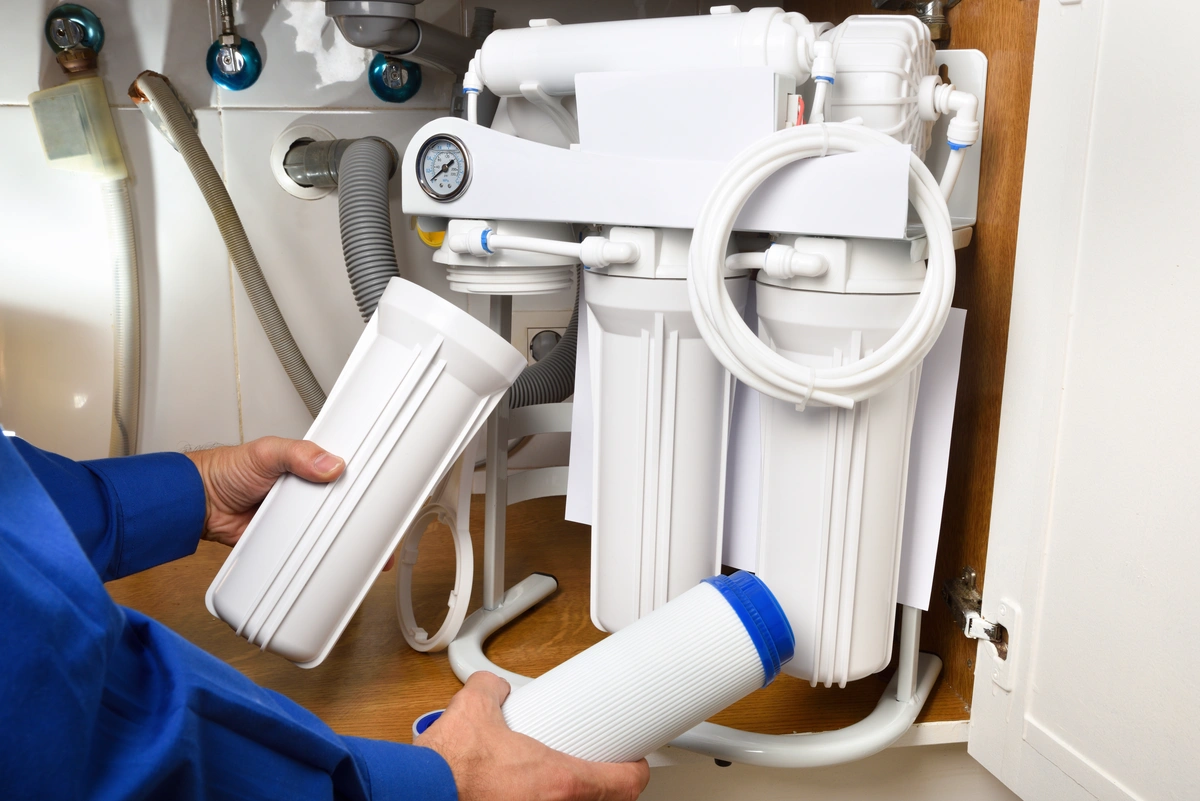
A water filter is an essential appliance in many households, ensuring that the water you drink is clean, pure, and free from contaminants. Whether you use a pitcher filter, a reverse osmosis system, or an under-sink filtration unit, regular maintenance is crucial to ensure that your water filter continues to function effectively. Over time, filters can become clogged with impurities, reducing their ability to purify water and potentially even introducing contaminants back into the supply. Proper care and maintenance not only extend the lifespan of your filter but also improve the quality of the water you consume. In this article, we will discuss essential maintenance tips to keep your water filter operating at its best.
1. Understand Your Filter Type
Before diving into maintenance, it’s important to know what kind of water filter you have. Different filter systems require different care and attention. Common types of water filters include activated carbon filters, reverse osmosis (RO) systems, UV purifiers, and ceramic filters. Each type has specific maintenance requirements, so familiarizing yourself with the system in place is the first step towards proper upkeep.
- Activated Carbon Filters: These are commonly used in pitchers and faucet-mounted systems. They effectively remove chlorine, odors, and certain contaminants, but they can become clogged over time.
- Reverse Osmosis Systems: These systems use a semi-permeable membrane to filter out impurities and require more frequent maintenance, including membrane replacement and sediment filter changes.
- UV Purifiers: UV filters use ultraviolet light to kill bacteria and viruses. While they require less frequent maintenance, the UV lamp itself may need to be replaced periodically.
- Ceramic Filters: These are often used for their ability to filter out larger particles, bacteria, and sediments. Regular cleaning is necessary to maintain performance.
Understanding your filter type ensures that you perform the correct maintenance steps and know when to replace parts.
2. Replace Filters on Schedule
One of the most important aspects of maintaining your water filter is changing the filter at regular intervals. Filters are designed to capture contaminants, and over time, they become saturated, reducing their effectiveness. Most manufacturers provide a recommended replacement schedule based on usage, typically ranging from 3 months to a year.
For activated carbon filters, replacement is especially important as the carbon granules can only absorb a limited amount of impurities before they stop working effectively. Likewise, reverse osmosis filters, which often include multiple stages (sediment filters, carbon filters, and the RO membrane), need their filters replaced to ensure clean water.
- Activated Carbon Filters: Typically need replacement every 2-6 months, depending on usage.
- Reverse Osmosis Systems: The sediment and carbon pre-filters should be replaced every 6-12 months, while the RO membrane itself may last 2-3 years.
- UV Purifiers: UV bulbs should be replaced every 12 months to ensure they maintain their ability to kill harmful microorganisms.
Be sure to follow the manufacturer’s guidelines for your specific system, and set a reminder to change the filters accordingly.
3. Clean the Water Filter System Regularly
While replacing filters is essential, cleaning the filter system itself is just as important. A buildup of bacteria, mold, and mineral deposits can compromise the filter’s performance, especially in systems like reverse osmosis units and faucet filters.
- For Activated Carbon Filters: Cleaning is generally not necessary because these filters are designed to be replaced, but ensure the surrounding components, such as the filter housing and reservoir, are clean. Rinse them regularly to avoid mold growth.
- For Reverse Osmosis Systems: Clean the system by flushing out any contaminants and checking for signs of scale buildup. Using a specialized cleaning solution designed for RO units can help maintain the membranes and prevent blockages.
- For UV Purifiers: The UV chamber and the quartz sleeve that houses the UV bulb should be cleaned regularly to remove any mineral deposits or bacteria. Ensure the bulb is not covered in any residue that might obstruct the light.
- For Ceramic Filters: Ceramic filters require frequent cleaning to ensure their pores are not blocked. Use a soft brush or scrubber to gently remove any sediment buildup from the ceramic surface.
4. Check for Leaks and Damages
Water filter systems, particularly those connected to your plumbing or installed under the sink, should be checked regularly for leaks or signs of damage. Leaks can affect the efficiency of your system and may lead to water wastage or even cause damage to surrounding areas.
For reverse osmosis systems, inspect the connections, tubing, and faucet for leaks. Tighten any loose fittings and replace any damaged parts. If the system has a storage tank, check that it is sealed properly.
UV systems should also be checked to ensure that the UV lamp is securely installed and that the wiring is intact. Any damage to the UV unit can lead to malfunction, reducing the effectiveness of disinfection.
5. Store Filters Properly
If you purchase replacement filters in advance, it’s important to store them properly to prevent damage. Filters can lose their effectiveness if exposed to moisture or extreme temperatures. Store filters in a dry, cool place away from sunlight, and avoid opening the packaging until you are ready to install the filter.
6. Test Your Water Quality
Regular testing of your water quality is another excellent way to ensure that your filter is working properly. There are several water testing kits available that can measure common contaminants such as chlorine, lead, nitrates, pH levels, and total dissolved solids (TDS). Testing your water every few months allows you to monitor the performance of your filtration system and address any issues before they become serious problems.
If you notice any changes in taste, odor, or clarity, it may be a sign that your filter needs to be replaced or cleaned. Additionally, a significant increase in TDS levels can indicate that your filter is no longer effective at removing contaminants.
7. Know When to Replace the Entire System
Sometimes, water filters wear out beyond the point of simple maintenance, and it may be necessary to replace the entire system. This is particularly true for reverse osmosis systems, which can lose their efficiency after many years of use. If your system is older than 10 years, or if you’ve been using it without regular maintenance, it may no longer provide the same level of filtration and might need to be replaced entirely.
Signs that it’s time to replace your water filtration system include reduced water flow, inconsistent water quality, or persistent taste and odor issues that cannot be resolved by replacing filters.
Conclusion
Maintaining your water filter is essential for ensuring the continued provision of clean and safe water for your home. By understanding your filter system, replacing filters on time, cleaning components regularly, checking for damage, and monitoring water quality, you can optimize the performance of your water filter and enjoy fresh, pure water. Regular maintenance extends the life of your system and ensures that the water you consume remains free from harmful contaminants. With proper care, your water filter will continue to provide you with clean water for years to come.