Tips for Avoiding Scams When Hiring a Locksmith
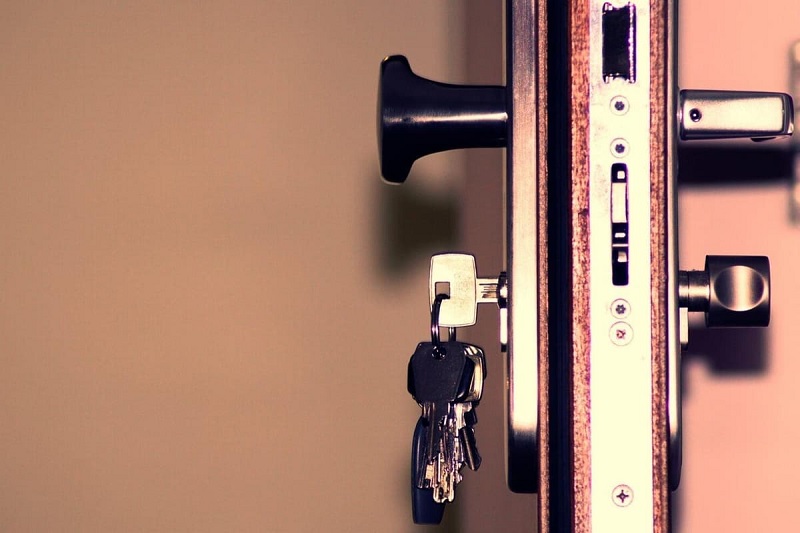
Locksmiths play a critical role in ensuring our safety and security, whether for emergency lockouts, home security upgrades, or routine lock maintenance. However, with the increasing number of locksmith scams, it’s essential to be cautious when hiring a locksmith. These scams can involve inflated fees, low-quality service, or even fake locksmiths who might compromise the security of your property. Here are some key tips to help you avoid scams and find a reliable, professional locksmith for your needs.
Hiring an experienced Commercial Locksmith is essential for protecting sensitive data, inventory, and staff. With services like rekeying, lock replacement, and emergency support, businesses can prevent unauthorized access while ensuring daily operations continue smoothly without unnecessary security disruptions.
1. Research Reputable Locksmith Companies
One of the most effective ways to avoid scams is to research locksmith companies in advance. A good locksmith will have a long-standing presence in the community, with positive reviews and testimonials from satisfied clients. Look for companies that have an established website, clear contact information, and consistent business hours. Websites with poorly written content or minimal information can be red flags, as professional locksmiths invest in their online presence to ensure clients have easy access to their services.
Check review sites such as Google, Yelp, or the Better Business Bureau (BBB) for feedback from previous customers. Consistent positive reviews indicate reliability, while multiple complaints may suggest issues. Remember, researching ahead of time can save you from falling into a trap during an emergency situation.
2. Verify Credentials and Licensing
Credentials and licensing are essential indicators of a legitimate locksmith. Many regions require locksmiths to have a professional license to operate, as this ensures they meet specific industry standards and training requirements. Ask the locksmith to provide proof of licensing and insurance before hiring them. Insurance coverage is also crucial as it protects you in case of any damage to your property during the service.
Additionally, some locksmiths may be members of professional associations like the Associated Locksmiths of America (ALOA), which maintains strict guidelines for its members. While not mandatory, affiliation with such associations often indicates a higher level of professionalism.
3. Avoid “Too Good to Be True” Prices
Some scammers lure customers with extremely low prices, only to inflate costs once on-site. They might quote a suspiciously low price over the phone but then charge significantly more for the service after arriving. A trustworthy locksmith should provide you with a detailed estimate before starting any work and should be transparent about potential extra charges if unexpected complications arise.
To avoid this tactic, get quotes from multiple locksmiths to establish an average price range for the service you need. While price shouldn’t be the only deciding factor, excessively low quotes can be a warning sign that the locksmith might try to overcharge you once the job is complete.
4. Ask for Identification
A legitimate locksmith should arrive in a marked vehicle and wear company-branded attire. When they arrive, don’t hesitate to ask for identification, including their locksmith license (if required in your region) and a business card. Verifying these details is especially important if you didn’t have a chance to research the company beforehand.
A trustworthy locksmith will understand and respect your need for caution. Scammers, on the other hand, may try to brush off these requests or present vague or unofficial identification. Taking this step can prevent you from allowing a fraudulent locksmith into your home or business.
5. Be Cautious with 24/7 Emergency Services
While emergency locksmith services are invaluable, especially in cases of lockouts, they are also a common area for scams. Some companies exploit emergencies by charging excessively high fees or pressuring customers into unnecessary services. Before hiring an emergency locksmith, try to establish their pricing policies over the phone, and confirm if any additional charges apply for late-night or weekend calls.
To be better prepared, consider identifying a reliable locksmith company that offers emergency services in advance. Save their contact information, so if an emergency does arise, you already have a trustworthy professional to call.
6. Avoid Locksmiths Who Don’t Give Clear Answers
Good communication is a hallmark of a reputable locksmith. A professional locksmith should be able to answer questions about their services, pricing, and procedures clearly. Be cautious of any locksmith who provides vague answers or avoids direct responses, as they might be hiding something.
For instance, if a locksmith cannot explain why their pricing is higher than average or refuses to detail the cost breakdown, it’s best to seek services elsewhere. A trustworthy locksmith should make you feel informed and confident about the process.
7. Look for Clear Branding and a Professional Website
Many professional locksmith companies invest in branded vehicles, uniforms, and well-designed websites. These elements are usually signs that the business is legitimate and willing to invest in its reputation. Conversely, a lack of branding or a website with minimal information could suggest an unprofessional or potentially fraudulent operation.
A professional website often provides insights into the locksmith’s range of services, customer reviews, and company values. It may also have blog posts, security tips, or other resources that demonstrate expertise and commitment to client satisfaction.
8. Pay Attention to Payment Methods
Most reputable locksmiths will offer multiple payment options, such as cash, credit cards, or digital payments. Be cautious of locksmiths who insist on cash-only payments or demand full payment upfront, as this can be a tactic used by scammers to avoid leaving a transaction trail.
When possible, use a traceable payment method like a credit card, which can help protect you if disputes arise. A legitimate locksmith will typically request payment after completing the service, giving you the opportunity to inspect the work first.
9. Read the Fine Print and Avoid Signing Blank Documents
Before any work begins, a professional locksmith should provide a written estimate or service agreement detailing the scope of work, associated costs, and payment terms. Take a few moments to read through this document carefully. Avoid signing any blank or incomplete forms, as scammers may use this tactic to add unauthorized charges.
Ensure that the locksmith’s name, address, and contact information are included in the document, as this provides a reference if any issues arise later. Taking this precaution helps you avoid unexpected fees or obligations.
10. Trust Your Instincts
Lastly, trust your instincts when dealing with locksmiths. If something feels off, whether it’s their attitude, pricing, or lack of professionalism, don’t hesitate to walk away. There are plenty of legitimate locksmiths available, so it’s better to wait and find one who inspires confidence than to risk compromising your security.
A reputable locksmith will respect your due diligence and will be transparent in their dealings with you. Scammers often rush or pressure customers into quick decisions, but a trustworthy locksmith will allow you the time needed to feel comfortable with their services.
A Final Note on Choosing a Reliable Locksmith
Taking the time to find a trustworthy locksmith can make all the difference in maintaining the security of your property. By researching locksmiths in advance, verifying credentials, asking for clear communication, and being mindful of warning signs, you can greatly reduce the risk of falling victim to scams.