What You Should Know About Roofing Options in Home Construction
When designing and constructing a home, one of the most essential aspects to consider is the roof. A roof is not only a critical structural component that protects the home from the elements, but it also has a significant impact on the aesthetic, energy efficiency, and longevity of the property. With a wide array of roofing materials available, choosing the right one can be overwhelming. However, understanding the various roofing options available can help homeowners make an informed decision, balancing functionality, cost, and style.
1. Asphalt Shingles: The Most Common Roofing Material
Asphalt shingles are by far the most popular roofing material in residential construction. Known for their affordability, versatility, and ease of installation, asphalt shingles are a go-to choice for homeowners looking for a reliable and budget-friendly option.
Benefits of Asphalt Shingles:
- Cost-Effective: Asphalt shingles are one of the most affordable roofing materials available, making them a popular choice for homeowners on a budget.
- Variety of Styles: Asphalt shingles come in a wide range of colors and styles, allowing homeowners to choose a design that complements their home’s exterior.
- Durability: With proper maintenance, asphalt shingles can last up to 20 to 30 years. They are also resistant to wind and hail damage, though they may require more frequent replacement compared to other materials.
Despite their affordability, asphalt shingles may not be the best option for homes in regions with extreme weather conditions, as they can be prone to wear and tear over time.
2. Metal Roofing: A Durable and Sustainable Option
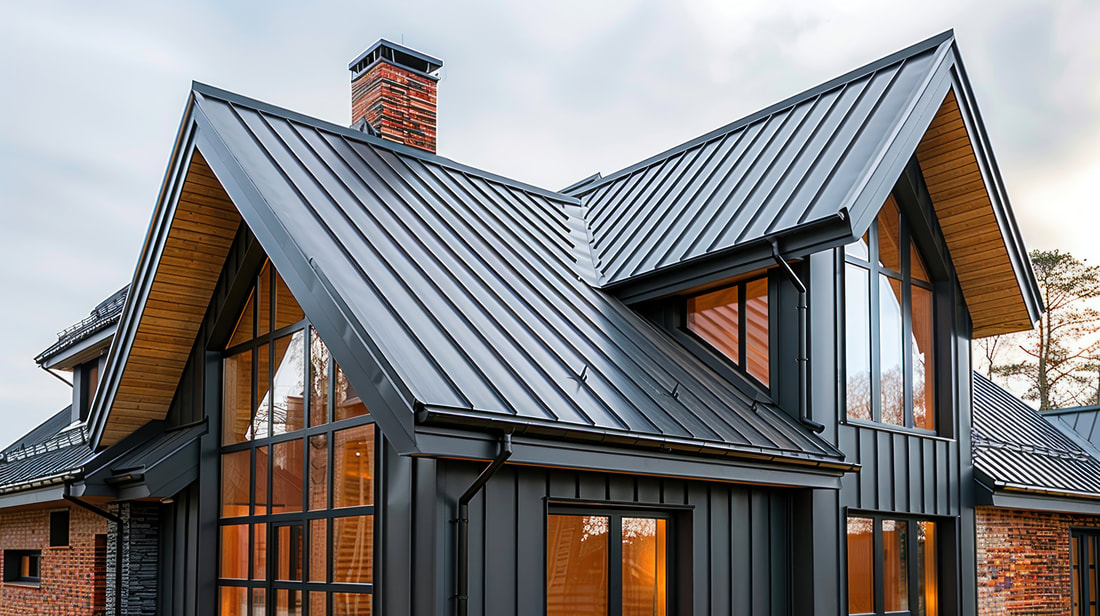
Metal roofing has gained popularity in recent years due to its longevity, energy efficiency, and eco-friendly properties. Available in various materials such as steel, aluminum, and copper, metal roofing is an excellent choice for homeowners looking for a long-lasting and sustainable roofing solution.
Benefits of Metal Roofing:
- Longevity: Metal roofs can last 40 to 70 years, far outlasting asphalt shingles. This makes them a cost-effective option in the long run, despite their higher initial cost.
- Energy Efficiency: Metal roofing reflects sunlight, reducing heat absorption and keeping the home cooler in warmer months. This can lead to significant savings on energy bills, especially in sunny climates.
- Eco-Friendly: Metal roofs are typically made from recycled materials and are fully recyclable at the end of their lifespan, making them a sustainable choice for environmentally-conscious homeowners.
- Low Maintenance: Metal roofs are resistant to issues like rot, mold, and mildew. They are also less likely to suffer damage from high winds, hail, or snow accumulation.
While metal roofing offers a range of benefits, it can be more expensive to install than asphalt shingles, which may make it less appealing for some homeowners.
3. Clay and Concrete Tiles: Classic and Durable
Clay and concrete tiles have been used for centuries and are particularly popular in Mediterranean and Southwestern-style homes. Known for their distinctive appearance and exceptional durability, tile roofs are a high-end option that offers both beauty and longevity.
Benefits of Clay and Concrete Tiles:
- Longevity: Clay and concrete tile roofs can last 50 years or more, with some tiles lasting well over 100 years when properly maintained.
- Aesthetic Appeal: With their classic, timeless look, clay and concrete tiles add a distinct visual element to a home. Available in a variety of colors and finishes, tile roofs can enhance the curb appeal of any home.
- Fire Resistance: Clay and concrete tiles are naturally fire-resistant, offering an extra layer of protection for homes in fire-prone areas.
- Energy Efficiency: The thermal mass of tile roofs helps regulate temperature by absorbing heat during the day and releasing it at night, contributing to energy savings.
However, clay and concrete tiles can be quite heavy, requiring additional structural support during installation. They are also more expensive than asphalt or metal roofing options and can be prone to cracking if exposed to extreme weather conditions.
4. Wood Shingles and Shakes: Natural Beauty with a Rustic Appeal
Wood shingles and shakes are often chosen for their natural beauty and rustic charm. These roofing materials are made from cedar, redwood, or other types of wood, offering a warm, organic look that complements traditional and country-style homes.
Benefits of Wood Shingles and Shakes:
- Aesthetic Appeal: Wood shingles and shakes create a natural, textured look that enhances the beauty of the home. They are a popular choice for homeowners seeking a rustic or cottage-style appearance.
- Energy Efficiency: Wood is a natural insulator, helping to keep homes cooler in summer and warmer in winter.
- Sustainability: If sourced from sustainable forests, wood shingles and shakes can be an environmentally friendly roofing option.
Despite their aesthetic appeal, wood shingles and shakes require more maintenance than other materials. They need to be treated to resist moisture, pests, and rot, and they may have a shorter lifespan than other roofing options, typically lasting around 30 years. Wood roofs are also susceptible to fire and may require additional fire-retardant treatments.
5. Slate Roofing: Timeless Elegance and Durability
Slate roofing is a premium roofing material that has been used for centuries. Known for its durability, beauty, and natural elegance, slate is often chosen for high-end, luxury homes. Although slate is one of the most expensive roofing materials, it offers unparalleled longevity and a timeless look.
Benefits of Slate Roofing:
- Longevity: Slate roofs can last over 100 years, making them one of the longest-lasting roofing materials available. Their durability makes them an excellent long-term investment.
- Aesthetic Appeal: Slate is available in a range of colors and finishes, and its natural, sophisticated appearance adds character and elegance to any home.
- Fire and Pest Resistance: Slate is naturally fire-resistant and impervious to pests, making it a great choice for homes in areas with high fire risk or insect problems.
While slate roofing offers exceptional durability, it is also one of the most expensive roofing options available, both in terms of materials and installation costs. Additionally, the weight of slate may require structural reinforcement, making it more challenging to install.
6. Green Roofing: Sustainable and Eco-Friendly
Green roofs, also known as living roofs, are a unique and eco-friendly roofing option that involves growing vegetation on the roof surface. While green roofing is still a relatively new concept in residential construction, it has gained popularity for its environmental benefits and aesthetic appeal.
Benefits of Green Roofing:
- Environmental Benefits: Green roofs help absorb rainwater, reduce the urban heat island effect, and improve air quality. They also provide habitats for birds and insects, supporting local ecosystems.
- Energy Efficiency: The vegetation on a green roof acts as natural insulation, helping to regulate the temperature of the home and reduce energy consumption.
- Aesthetic Appeal: Green roofs add a unique, natural element to the home, creating a lush and inviting outdoor space on the roof.
Green roofing is typically more expensive and complex to install than traditional roofing options. It also requires ongoing maintenance to ensure the plants remain healthy and the roof functions properly. However, for those looking for a sustainable, one-of-a-kind roofing solution, green roofs offer a host of benefits.
7. Conclusion
Choosing the right roofing material is a crucial decision in home construction that can impact the appearance, functionality, and longevity of a home. Homeowners must consider factors such as climate, budget, aesthetic preferences, and environmental impact when selecting a roofing option. Whether opting for the affordability of asphalt shingles, the durability of metal roofing, or the timeless elegance of slate, understanding the unique benefits and drawbacks of each roofing material can help homeowners make an informed choice that suits their needs and preferences.