Mold inspections – Safeguarding your building’s indoor air quality

Mold is a persistent issue that plagues buildings and homes across the world. This fungus thrives in damp, humid environments, and its presence poses significant health risks to occupants. Mold causes respiratory problems, and allergic reactions, and even exacerbates existing conditions like asthma. Furthermore, mold infestations weaken the structural integrity of a building, leading to expensive repairs.
Mold growth
Mold is a naturally occurring fungus that plays a vital role in the ecosystem by breaking down organic matter. However, when mold grows indoors, it health hazard. Mold spores are microscopic and easily transported through the air, making them challenging to detect without specialized equipment. Mold growth is typically fueled by moisture, which from various sources, including leaks, condensation, flooding, or high humidity levels. Once mold takes hold, it spreads rapidly, colonizing various surfaces such as drywall, carpet, insulation, and wood. Mold exposure has severe consequences for human health. Inhaling mold spores trigger allergic reactions, causing symptoms such as sneezing, coughing, itchy eyes, and skin irritation. In individuals with weakened immune systems, mold exposure leads to more severe respiratory issues, including lung infections.
Importance of mold inspections
- Given the potential risks associated with mold growth, regular mold inspections are crucial for safeguarding indoor air quality and protecting the health of building occupants. Mold inspections should be conducted by trained professionals who possess the necessary expertise and equipment to accurately identify and assess mold infestations.
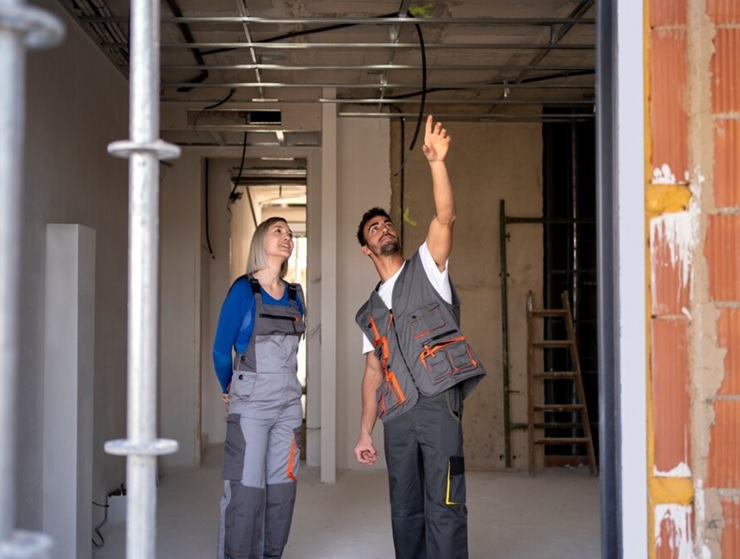
- During a mold inspection, the inspector will thoroughly examine the building, looking for signs of moisture intrusion, water damage, and visible mold growth. They will use specialized tools, such as moisture meters, borescopes, and infrared cameras, to detect hidden moisture sources and identify areas where mold may be present but not visible to the naked eye.
- Once the inspection is complete, the inspector will provide a detailed report outlining their findings, including the extent and severity of any mold growth, the potential causes, and recommendations for remediation and prevention.
Mold remediation and prevention
If a mold building inspections Sydney reveals an active infestation, prompt remediation is essential to mitigate the health risks and prevent further damage to the building. Mold remediation involves the removal and disposal of contaminated materials, as well as addressing the underlying moisture issues that facilitated mold growth in the first place.
Remediation should only be undertaken by trained professionals who follow strict protocols to ensure the safe and effective removal of mold. They will establish containment zones to prevent the spread of mold spores, use specialized equipment and techniques to remove contaminated materials and implement measures to prevent future mold growth.
In addition to remediation, it’s crucial to implement preventative measures to reduce the risk of future mold infestations.
- Maintaining proper ventilation– Adequate ventilation helps control humidity levels and prevents moisture buildup, which leads to mold growth.
- Addressing water leaks promptly- Leaks from plumbing, roofs, or other sources should be repaired immediately to prevent moisture accumulation and subsequent mold growth.
- Controlling humidity levels– Maintaining indoor humidity levels between 30% and 50% discourages mold growth.
- Regularly inspecting for moisture and mold– Conducting periodic inspections helps identify potential problem areas before mold has a chance to take hold.
- Using mold-resistant building materials– Incorporating materials that are resistant to mold growth, such as certain types of drywall and insulation helps mitigate the risk of future infestations.