The Top 5 Signs You Need a Water Softener
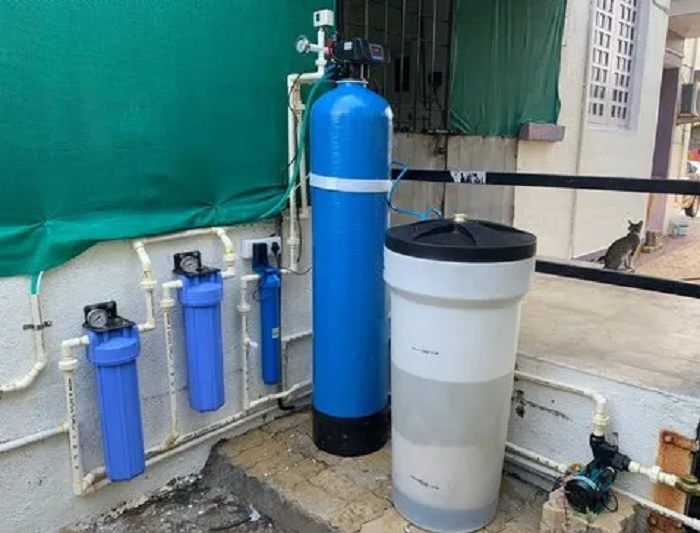
Water quality plays a crucial role in the comfort and efficiency of our daily lives. Whether you’re washing dishes, doing laundry, or taking a shower, the type of water flowing through your pipes significantly impacts the outcome of these tasks. Hard water, which contains high levels of minerals like calcium and magnesium, can lead to a variety of problems in your home. Installing a water softener can provide relief from these issues, enhancing both the functionality of your appliances and the quality of your life. But how do you know if it’s time to consider a water softener? Here are the top five signs that indicate you may need one.
1. Mineral Buildup and Limescale in Your Appliances
One of the most noticeable signs that your water is hard is the accumulation of mineral deposits, commonly known as limescale, in various appliances. If you’ve observed white, chalky buildup around faucets, showerheads, or in the interior of your dishwasher, washing machine, or water heater, it’s a strong indication that your water contains high levels of calcium and magnesium.
These minerals can clog pipes, reduce the efficiency of water heaters, and even damage appliances over time. For instance, a water heater with limescale buildup requires more energy to heat water, ultimately leading to higher energy bills. Similarly, dishwashers and washing machines may not clean as effectively, as the minerals in hard water interfere with detergent and soap.
If you’re frequently scrubbing limescale from faucets or noticing that your appliances are performing below expectations, a water softener could significantly improve the situation.
2. Soap and Detergent Don’t Lather Properly
If you’re finding it difficult to achieve a rich lather from soap or detergent, it’s another sign that you may be dealing with hard water. The minerals in hard water react with the soap, reducing its effectiveness and making it harder for the soap to form suds.
This issue can manifest in various areas of your home. You may notice that your body wash or shampoo doesn’t foam up in the shower, or your laundry detergent leaves clothes feeling rough and stiff after washing. Even in the kitchen, washing dishes may require more soap than usual to get a good clean.
Using excessive soap and detergent not only leads to a waste of money but can also have environmental consequences, as these chemicals are often washed down the drain and into local water systems. A water softener helps mitigate this problem by reducing the minerals that prevent soap from lathering, allowing you to use less product while still achieving clean results.
3. Dry Skin and Hair After Showering
Another indicator that you may have hard water is experiencing dry, itchy skin and dull hair after showering. The minerals in hard water can strip away the natural oils on your skin and hair, leaving them feeling rough and dehydrated.
If you’ve noticed that your skin feels tight and irritated or your hair appears dry and lifeless, even after moisturizing or conditioning, hard water may be the culprit. It’s not just about cosmetic inconvenience—over time, the continued exposure to hard water can exacerbate skin conditions like eczema or psoriasis. For those with sensitive skin, the problem can become particularly noticeable, leading to discomfort after each bath or shower.
A water softener can address this issue by removing the minerals that cause dryness and irritation, leaving your skin and hair feeling smoother and more hydrated.
4. Higher Utility Bills
If your energy bills have been steadily rising, hard water could be contributing to the increase. As mentioned earlier, mineral buildup in appliances, especially water heaters, makes these devices work harder to perform their basic tasks. Water heaters, for example, have to expend more energy to heat water that has been affected by limescale, which leads to higher electricity or gas consumption.
Similarly, washing machines and dishwashers that operate less efficiently due to hard water use more water and detergent, leading to higher utility costs. If you’ve noticed that your energy and water bills have been unusually high without any clear explanation, the presence of hard water might be one of the underlying causes.
By softening your water, you can reduce energy consumption in your home, potentially saving a significant amount on your monthly utility bills.
5. Frequent Appliance Repairs or Replacements
One of the most frustrating signs that you need a water softener is the repeated need for appliance repairs or replacements. Hard water can cause wear and tear on plumbing systems, water heaters, and household appliances. The mineral buildup within pipes and appliances can lead to clogs, leaks, and corrosion, reducing their lifespan and requiring costly repairs or replacements.
For example, a water heater damaged by limescale buildup will eventually fail, and a washing machine affected by hard water may not clean clothes properly, causing the appliance to wear out faster. These issues not only cost you money but also lead to the inconvenience of frequent repairs or replacements.
By investing in a water softener, you can prolong the life of your appliances and plumbing, saving money on future repairs and replacements while maintaining the efficiency of your home systems.
The Benefits of Installing a Water Softener
If you’ve noticed any of the signs above in your home, installing a water softener can be a smart and effective solution. Aside from improving the quality of your water, here are a few key benefits of using a water softener:
- Enhanced Cleaning Performance: Soft water works more effectively with soaps and detergents, leading to better cleaning results and less product usage.
- Longer Appliance Life: Reducing limescale buildup prevents damage to appliances and plumbing, extending their lifespan.
- Energy Savings: Soft water helps appliances work more efficiently, which can reduce your energy consumption and lower your utility bills.
- Healthier Skin and Hair: Soft water can help prevent dryness and irritation caused by hard water minerals, leaving your skin and hair feeling soft and hydrated.
Conclusion
Hard water can cause a wide range of problems in your home, from inefficient appliances to skin irritation. If you’ve noticed mineral buildup, poor soap lathering, dry skin, high utility bills, or frequent appliance repairs, it may be time to consider a water softener. Installing one can help you save money, protect your appliances, and improve the overall comfort and quality of your home. Don’t let hard water continue to impact your daily life—take action and enjoy the many benefits that come with soft water.