The Quietest Home Heaters on the Market: Enjoy Warmth Without the Noise
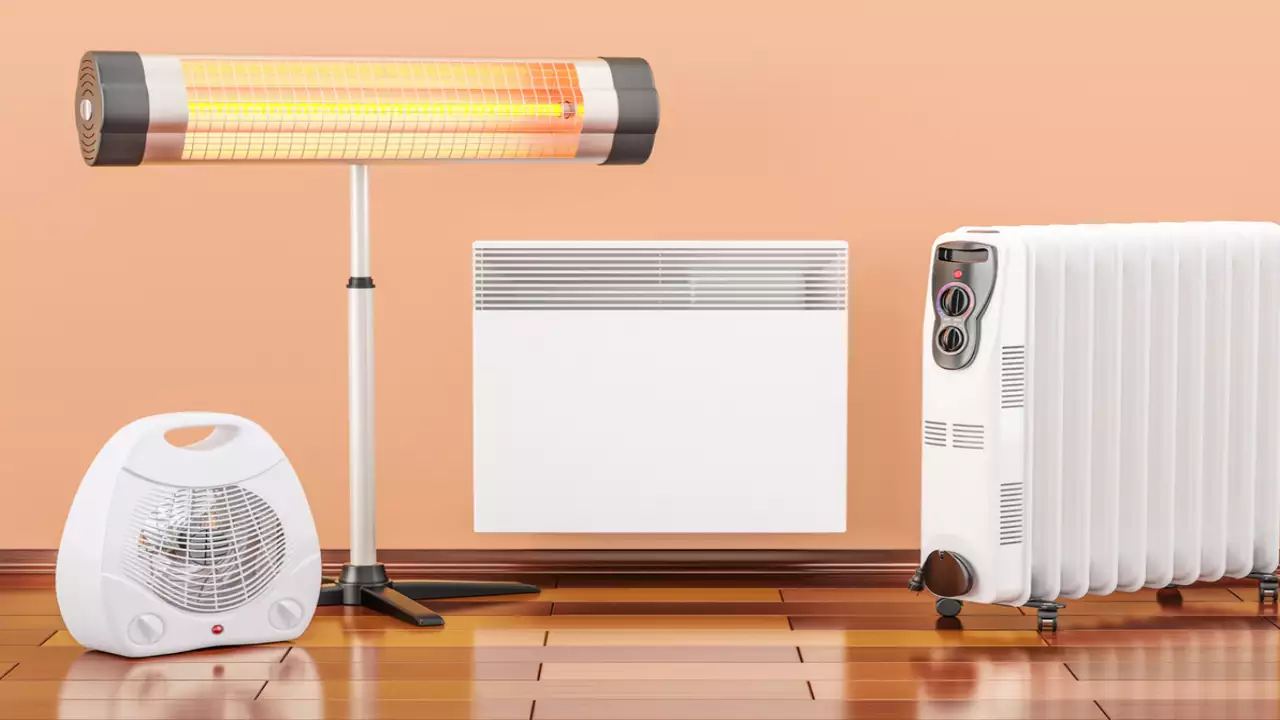
When it comes to choosing a home heater, comfort is not just about warmth. One of the often-overlooked factors in heater selection is noise. While heaters are designed to keep you warm, the sound they produce can significantly impact your comfort, especially in quiet environments like bedrooms or offices. The last thing anyone wants is a disruptive hum or clanking noise when trying to relax or concentrate. Fortunately, there are various options available today that prioritize both performance and quiet operation. In this article, we explore the quietest home heaters on the market, ensuring you enjoy a peaceful and cozy living space.
1. What Makes a Heater Quiet?
Before diving into specific models, it’s important to understand what makes a heater quiet. Generally, heaters produce noise through their fan, motor, or heating element. A noisy heater typically results from a loud fan or the mechanical movement within the unit. Therefore, quieter models tend to be fanless, feature insulated motors, or use advanced materials to dampen noise. Additionally, some heaters have low-operating fans that circulate heat more gently, contributing to a quieter experience.
When looking for a quiet heater, you should consider these key features:
- Fanless Operation: Some heaters rely on convection or radiant heating, which doesn’t require fans. These tend to be quieter since they don’t produce the whirling sound of moving air.
- Low Fan Speeds: Electric or oil-filled heaters with adjustable fans that operate at low speeds are quieter than those with higher-speed fans.
- Insulated Casings: Heaters with soundproofed enclosures or insulated materials reduce the noise produced by the internal components.
2. Types of Quiet Heaters
Different types of heaters vary in terms of how quietly they operate. Let’s explore the most common types of quiet heaters and what makes them special.
a. Oil-Filled Radiator Heaters
Oil-filled radiator heaters are one of the quietest options available. These units rely on oil that is heated by electricity. The heated oil circulates inside the radiator, warming the metal fins. Since oil-filled heaters do not have fans, they operate silently, providing consistent, gentle warmth. The only noise you might hear is the faint sound of the heating elements activating, which is minimal.
These heaters are particularly ideal for bedrooms and living rooms where quiet operation is important. They take longer to heat up compared to fan-based heaters, but once they reach the desired temperature, they provide steady warmth without the constant noise of fans or motors.
Pros:
- No moving parts, so they are virtually silent.
- Energy-efficient and capable of heating larger areas.
- Long-lasting heat retention, making them ideal for prolonged use.
Cons:
- Takes longer to heat up.
- Can be bulky and take up more floor space.
b. Ceramic Heaters with Quiet Fan Technology
Ceramic heaters are known for their rapid heating capabilities, making them a popular choice for quick warmth. Some modern ceramic heaters feature quiet fan technology, which operates at a lower speed or uses quieter motors. These units combine fast heating with low noise output, making them suitable for rooms like offices or nurseries, where a balance of efficiency and silence is desired.
High-quality ceramic heaters come with features that minimize noise, such as vibration-dampening components and fans that adjust speed based on the room’s heating needs. These heaters can be very quiet when set on lower fan speeds, making them an excellent option for those who need quick warmth without the disruptive sound.
Pros:
- Provides quick and consistent heat.
- Smaller, portable, and ideal for individual rooms.
- Many models feature advanced noise-dampening technology.
Cons:
- May be slightly noisier at higher fan speeds.
- Typically less effective for larger rooms compared to oil-filled heaters.
c. Infrared Heaters
Infrared heaters are another excellent option for quiet home heating. They work by emitting infrared rays that directly warm people or objects in their path, rather than heating the air. Because infrared heaters do not rely on fans to distribute heat, they are inherently much quieter than traditional fan-forced models. These heaters are ideal for people who want warmth concentrated in specific areas, such as near a seating area or desk.
Additionally, because infrared heaters do not require a fan to move the heated air, they often come in compact designs, making them perfect for small to medium-sized rooms.
Pros:
- Silent operation due to the lack of fans.
- Instant warmth in targeted areas.
- Energy-efficient, as heat is focused where it’s needed most.
Cons:
- Best for spot heating, not suitable for larger spaces.
- May not provide consistent warmth across the entire room.
d. Convection Heaters
Convection heaters, like the ones used in many wall-mounted or baseboard heating units, work by circulating air through the room. These units often have a fan, but it is used minimally to circulate the heated air, meaning they are typically quieter than other fan-based models. The heat is spread through natural air currents without relying heavily on the fan, keeping the noise level to a minimum.
While convection heaters may take a little longer to heat up a room, they provide a consistent temperature and can heat larger spaces efficiently. Some convection heaters have built-in fans, but their quiet operation makes them suitable for spaces where noise reduction is a priority.
Pros:
- Quiet operation, especially without high-speed fans.
- Consistent, even heat distribution.
- Great for medium to large rooms.
Cons:
- Can take longer to heat a room compared to fan-forced models.
- May not heat a room as quickly or intensely as other types.
3. Popular Quiet Heater Models
Here are some of the top-rated quiet heaters available on the market:
- De’Longhi TRD40615E 1500W Safeheat: This oil-filled radiator heater is known for its quiet operation. With its high-quality design and safety features, it’s ideal for bedrooms and other quiet spaces.
- Lasko 751320 Ceramic Tower Heater: Featuring Lasko’s quiet fan technology, this ceramic heater heats up rooms quickly without generating excessive noise. Its tower design is space-saving and works well in mid-sized rooms.
- Dr. Infrared Heater Portable Space Heater: One of the most popular infrared heaters, this model combines quiet operation with powerful heating. It’s perfect for quickly warming up small to medium-sized rooms without producing disruptive noise.
- Honeywell HZ-789 EnergySmart: A convection heater that combines energy efficiency with low noise levels. It’s a great choice for heating larger rooms without the accompanying hum of high-speed fans.
4. Choosing the Right Quiet Heater for Your Home
When selecting a quiet heater, consider the size of the room, the type of heat you prefer, and the energy efficiency of the unit. Oil-filled radiators and infrared heaters are generally the best options for those seeking silent operation. For small spaces, ceramic heaters with quiet fan technology are also a great choice. Additionally, check for features like adjustable fan speeds, low-noise motors, and energy-efficient settings to find a unit that aligns with your heating needs and noise sensitivity.
By prioritizing quiet operation without sacrificing performance, you can enjoy a warm, peaceful home environment throughout the colder months.