The Ultimate Guide to Custom Home Elevations
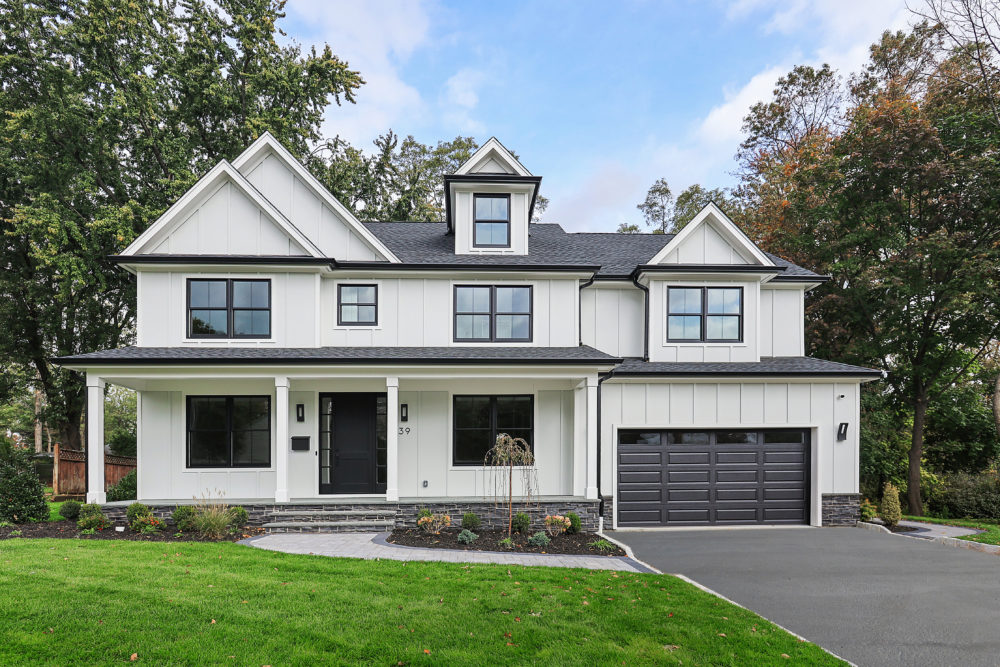
When it comes to building a custom home, every detail plays a pivotal role in shaping the overall aesthetic and functionality of the structure. Among these details, the elevation—the exterior face or facade of your home—holds significant importance. Custom home elevations not only define the curb appeal but also set the tone for the entire design. A thoughtfully designed elevation can transform an ordinary home into something extraordinary, giving it character, style, and an unmistakable identity. This guide will walk you through the key elements of custom home elevations, offering insights to help you create the perfect exterior for your dream home.
1. Understanding the Importance of Elevations
The elevation of your home is essentially the first impression it gives to visitors, neighbors, and even passersby. It represents your personal taste, sets the mood for your living spaces, and impacts the overall market value of the property. When designing a custom home, the elevation is a vital consideration, as it influences not only the visual appeal but also the functionality of the home in terms of natural light, airflow, and energy efficiency. A well-thought-out elevation enhances the overall harmony between the interior and exterior, blending the natural surroundings with architectural features to create a cohesive look.
2. Choosing the Right Style for Your Home
The architectural style you choose for your home will largely dictate the elevation’s look and feel. There are numerous styles to explore, each offering a distinct personality and charm. Some of the most popular styles include:
- Modern/Contemporary: Characterized by clean lines, large windows, and minimalistic design, modern elevations often feature flat roofs, metal, and glass, blending sleekness with functionality.
- Traditional: This style focuses on symmetry, brick or stone exteriors, and gable roofs, often with details such as columns or shutters. It’s a timeless choice that exudes elegance and charm.
- Craftsman: With wide overhanging eaves, exposed beams, and stone or wood accents, Craftsman homes are warm and inviting, blending natural materials with earthy tones to create a cozy yet robust look.
- Colonial: Known for its stately, symmetrical design, Colonial elevations often incorporate brick or wood exteriors, gabled roofs, and centrally placed windows and doors, providing a classic and elegant appeal.
- Farmhouse: The modern farmhouse style combines rustic charm with modern design elements, incorporating a mix of wood, metal, and brick finishes, as well as large porches and expansive windows.
Your choice of style should reflect both your personal preferences and the surrounding environment. The style not only determines the outward appearance but also guides decisions on materials, rooflines, and other structural elements.
3. Choosing the Right Materials
The materials you select for your custom home elevation play a crucial role in both its aesthetic appeal and long-term durability. Different materials offer various textures, colors, and visual effects, and they also influence how the home interacts with its environment. Here are some popular materials used in custom home elevations:
- Brick: Classic and timeless, brick offers a traditional, sturdy look. It’s available in a variety of colors and textures, making it easy to match with any design style. Additionally, brick is durable and low-maintenance, which is why it remains a popular choice for many custom homes.
- Stone: Offering a natural, rustic charm, stone facades are perfect for homes that aim for a more organic or earthy feel. Whether you opt for natural stone or stone veneer, this material adds texture and sophistication.
- Wood: Wood is an incredibly versatile material, offering warmth and character to any elevation. Whether used as siding, for accents, or as a statement feature, wood complements a variety of styles, especially Craftsman, farmhouse, and modern designs.
- Stucco: Known for its smooth finish, stucco is often used in Mediterranean and Southwestern-style homes. It provides a sleek, polished appearance and is highly durable, making it a popular choice in warmer climates.
- Metal: For a modern, industrial look, metal facades are becoming increasingly popular. Metal cladding or accents add a sleek, contemporary touch and are especially well-suited for urban or industrial-style homes.
When selecting materials, consider the climate and weather conditions in your area, as well as your maintenance preferences. For example, wood requires more upkeep compared to brick or metal, but it offers a unique aesthetic that some homeowners prefer.
4. Incorporating Windows and Doors
Windows and doors are essential elements of any custom home elevation, not only for their aesthetic appeal but also for the amount of natural light they allow into the home. The placement, size, and style of windows and doors will significantly influence the exterior appearance.
- Windows: Consider the shape, size, and placement of windows carefully. Large windows can enhance the feeling of openness, allowing for more natural light and offering scenic views of the outdoors. On the other hand, smaller or strategically placed windows can create a more intimate, cozy atmosphere while still offering functionality.
- Doors: The front door is often the focal point of the home’s elevation. Choosing the right material, color, and design for the door can make a significant difference in how welcoming and stylish your home appears. From elegant wooden doors with intricate carvings to modern glass-paneled designs, the door serves as a focal point that ties the entire elevation together.
Don’t overlook the role of windows and doors in both aesthetics and energy efficiency. Properly placed windows can maximize light and ventilation, reducing the need for artificial lighting and improving airflow throughout the home.
5. Rooflines and Elevation Features
The roofline of your custom home is one of the most prominent features of its elevation. The shape and style of the roof will dramatically affect the overall look of the house. Common roof styles include gable, hip, flat, and shed roofs, each offering a distinct appearance and feel.
- Gable Roofs: These triangular roofs are one of the most common types, often associated with traditional or Colonial-style homes. They allow for high ceilings and an attic space, making them an ideal choice for homeowners who want to maximize the upper levels of their home.
- Hip Roofs: A hip roof has sloped sides, making it a popular choice for Mediterranean, Craftsman, and modern homes. This style offers a more symmetrical, balanced appearance and is particularly effective in areas with heavy rainfall or wind.
- Flat Roofs: Often associated with contemporary or industrial designs, flat roofs provide a sleek, modern look. They are ideal for homes where outdoor living spaces such as rooftop gardens or patios are desired.
The roofline should complement the overall architectural style and functionality of the home. Beyond the roof, other elevation features such as porches, columns, balconies, and accent details like decorative trims can enhance the charm and personality of the exterior.
6. Balancing Functionality with Aesthetics
While aesthetics are important in creating a beautiful elevation, it’s equally crucial to design with functionality in mind. The elevation should not only look great but also contribute to the home’s energy efficiency, durability, and livability.
- Energy Efficiency: Incorporating elements like overhangs, shaded areas, and energy-efficient windows can help reduce heat gain and loss, making your home more sustainable and cost-effective in the long run.
- Maintenance: Consider how easy it will be to maintain the materials and features you choose. Some materials, such as wood, may require more upkeep, while others like metal or brick may be virtually maintenance-free.
By balancing both the functional and aesthetic aspects of your custom home elevation, you can create a beautiful and practical home that meets both your style preferences and your daily living needs.
7. Working with Professionals
To ensure your custom home elevation is as stunning and functional as possible, it’s essential to work with an experienced architect or designer. Professionals will help you navigate the complexities of design, zoning regulations, and structural requirements while bringing your vision to life. By collaborating closely with these experts, you can ensure that your custom home elevation is thoughtfully designed to reflect your personality while enhancing the overall curb appeal and value of your property.
Final Thoughts
Your home’s elevation is an expression of your style, personality, and lifestyle. When designed thoughtfully, it can dramatically impact both the look and function of your home. By carefully considering architectural style, materials, windows, rooflines, and functionality, you can create an elevation that is not only beautiful but also perfectly suited to your needs. With the help of experienced professionals, your custom home’s elevation can become a timeless, elegant statement that reflects the very essence of your vision.