The Role of Tree Services in Protecting Local Wildlife
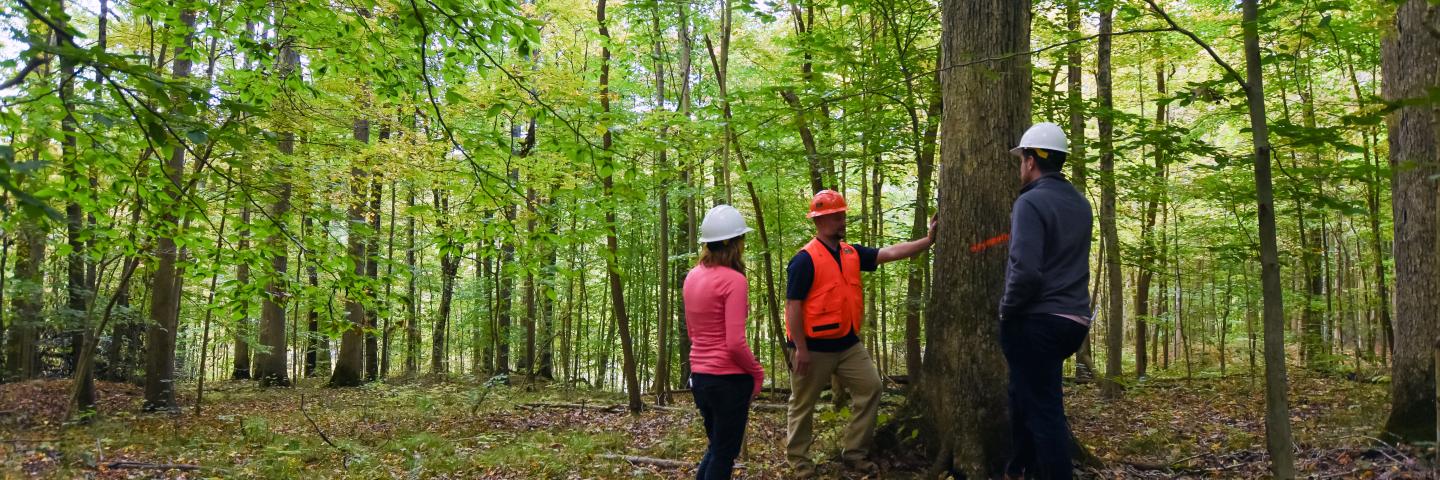
Trees are far more than aesthetic features in a landscape—they serve as vital ecosystems supporting an array of wildlife, from birds and squirrels to insects and reptiles. However, urbanization and human interventions can disrupt these habitats, making the role of tree services crucial in ensuring that wildlife continues to thrive. Professional tree care plays an instrumental part in preserving and enhancing the delicate balance between trees and the animals that depend on them.
This article explores how tree services contribute to the protection of local wildlife, ensuring both environmental sustainability and biodiversity.
Preserving Wildlife Habitats During Tree Care
One of the foremost responsibilities of tree service professionals is safeguarding the habitats nestled within and around trees. Many trees provide shelter and breeding grounds for birds, bats, and insects. During pruning or tree removal, these habitats may be at risk of disruption.
Tree care specialists adopt measures to minimize this impact. For instance, they schedule non-essential maintenance outside of nesting or breeding seasons to avoid disturbing wildlife. Before starting any work, a thorough inspection is conducted to identify nests, dens, or colonies within the tree. If animals are discovered, arborists may work with wildlife experts to safely relocate them.
Such careful planning ensures that wildlife continues to flourish, even as necessary tree maintenance takes place.
Encouraging Native Species Through Selective Planting
Tree services also play a pivotal role in fostering environments that attract and support local wildlife. By recommending and planting native tree species, professionals encourage biodiversity. Native trees are particularly beneficial as they align with the dietary and habitat requirements of local wildlife.
For instance, oaks, maples, and pines in North America are host plants for a wide variety of caterpillars, birds, and mammals. These trees provide food, nesting materials, and shelter to countless species, creating an interconnected web of life that sustains ecosystems.
The careful selection and planting of native species by tree services ensure a harmonious balance between urban landscapes and local wildlife.
Mitigating the Impact of Tree Removal
Tree removal is sometimes unavoidable, particularly when a tree is diseased, dying, or poses a safety hazard. However, removing a tree can leave wildlife vulnerable, especially if it served as a primary habitat.
Tree service professionals mitigate this impact by employing thoughtful strategies. For instance, they may recommend leaving a portion of the tree trunk standing as a “wildlife snag.” Snags serve as valuable resources for woodpeckers, cavity-nesting birds, and insects.
In cases where complete removal is necessary, arborists often suggest replacing the tree with a native species better suited to the site, ensuring that the wildlife depending on the original tree is not entirely displaced.
Promoting Tree Health to Sustain Ecosystems
Healthy trees are vital for sustaining wildlife, and tree services focus on maintaining their long-term health. Regular pruning removes dead or diseased branches, preventing potential tree failure while ensuring the canopy remains dense and vibrant—a crucial factor for nesting and foraging animals.
Additionally, arborists manage pests and diseases using environmentally friendly methods that do not harm beneficial insects or other species relying on the tree. Fertilization, mulching, and proper irrigation techniques are also employed to strengthen trees, enabling them to continue supporting wildlife for years to come.
By keeping trees robust and resilient, tree services ensure that wildlife habitats are preserved and thrive within urban and suburban areas.
Creating Corridors for Wildlife Movement
In urbanized areas, fragmented green spaces can disrupt the natural movement of wildlife. Tree services address this issue by creating and maintaining tree-lined corridors that connect isolated habitats.
Strategic planting and maintenance of trees along roadsides, parks, and residential areas help form a network of green pathways, allowing animals to move safely in search of food, mates, or shelter. This approach not only supports wildlife but also enhances the overall ecological value of the area.
Educating the Community About Wildlife Protection
Beyond their technical work, tree service professionals often engage with communities to raise awareness about the importance of trees in supporting wildlife. They provide valuable guidance on practices such as reducing pesticide use, planting pollinator-friendly species, and preserving mature trees.
Such education empowers homeowners and property managers to make informed decisions that benefit local wildlife. Whether it’s leaving fallen logs for insects or installing birdhouses, small actions can collectively create a significant impact on biodiversity.
Supporting Pollinators Through Tree Care
Pollinators like bees, butterflies, and birds are essential for healthy ecosystems, and many tree species play a vital role in supporting them. Tree services emphasize the care and preservation of flowering and fruit-bearing trees, which provide essential nectar and pollen for pollinators.
By maintaining the health and structural integrity of these trees, professionals ensure that pollinator populations remain robust. Additionally, the recommendation of native flowering species during planting projects creates sustainable sources of food for these important creatures.
A Holistic Approach to Wildlife Protection
Tree services adopt a holistic approach that goes beyond addressing individual trees. By focusing on the broader ecosystem, they create and maintain spaces where wildlife and humans coexist harmoniously. Their efforts not only protect existing habitats but also contribute to restoring ecosystems in urbanized areas.
Through thoughtful maintenance, strategic planting, and community education, tree services play an indispensable role in safeguarding local wildlife. By integrating ecological principles into their practices, they help ensure a greener, more sustainable future for all living beings.