How Often Each Part of Your Home Really Needs Cleaning

Keeping a home clean doesn’t mean cleaning everything every day. Different areas of your house accumulate dirt, germs, and clutter at different rates, and understanding this can save time while keeping your space healthy and comfortable. A realistic cleaning schedule focuses on use, hygiene, and buildup rather than perfection.
Below is a practical, room-by-room guide to how often each part of your home truly needs cleaning.
Kitchen Cleaning Frequency
The kitchen sees constant activity, making it one of the most important areas to clean regularly.
Daily Cleaning Tasks
-
Wipe countertops and cooking surfaces
-
Wash dishes or run the dishwasher
-
Clean visible spills on floors
-
Empty trash if food waste is present
Weekly Cleaning Tasks
-
Clean microwave interior
-
Disinfect sink and faucet
-
Wipe appliance exteriors and cabinet handles
-
Mop the floor
Monthly Cleaning Tasks
-
Clean refrigerator shelves
-
Sanitize trash cans
-
Degrease range hood filters
Why it matters: Food residue and moisture encourage bacteria faster here than anywhere else in the home.
Bathroom Cleaning Frequency
Bathrooms require consistent cleaning due to humidity and frequent contact with germs.
Daily or Every Other Day
-
Wipe sink and faucet
-
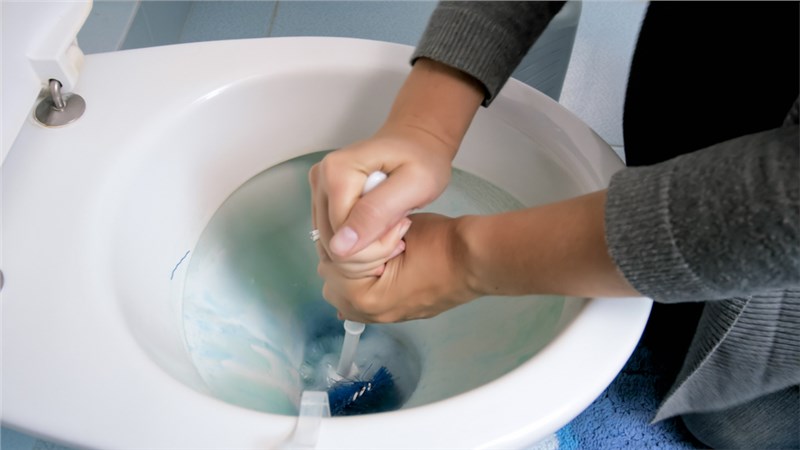
Quick toilet bowl scrub
-
Hang towels to dry properly
Weekly
-
Scrub toilet, sink, and shower
-
Clean mirrors
-
Disinfect high-touch surfaces like flush handles and switches
-
Mop the floor
Monthly
-
Deep clean grout
-
Wash shower curtains or liners
-
Descale showerheads
Regular light cleaning prevents stubborn stains and mold buildup.
Living Room Cleaning Frequency
Living rooms collect dust, pet hair, and allergens more than obvious dirt.
Weekly
-
Dust shelves, tables, and electronics
-
Vacuum rugs and carpets
-
Straighten pillows, throws, and clutter
Monthly
-
Vacuum under furniture
-
Clean upholstery
-
Wipe baseboards and vents
Every 3–6 Months
-
Wash curtains
-
Deep clean carpets
This routine helps maintain air quality and keeps the space inviting.
Bedroom Cleaning Frequency
Bedrooms benefit from cleanliness that supports better sleep and reduced allergens.
Weekly
-
Change bed sheets
-
Dust nightstands and surfaces
-
Vacuum or sweep floors
Monthly
-
Rotate and vacuum mattresses
-
Wipe headboards and bed frames
-
Organize drawers and closets
Every 6 Months
-
Wash pillows and comforters
-
Declutter clothing storage
Clean bedding plays a major role in skin health and sleep quality.
Laundry Room Cleaning Frequency
Laundry rooms are often overlooked but can harbor lint, dust, and moisture.
Weekly
-
Wipe washer and dryer surfaces
-
Sweep the floor
Monthly
-
Clean lint traps thoroughly
-
Run washer cleaning cycles
-
Check detergent buildup
Every 6 Months
-
Inspect hoses and vents
-
Deep clean behind appliances
Proper maintenance extends appliance lifespan and improves efficiency.
Entryway and Hallway Cleaning Frequency
These areas collect dirt quickly from foot traffic.
Weekly
-
Sweep or vacuum floors
-
Wipe door handles and switches
Monthly
-
Clean walls and baseboards
-
Organize shoes, coats, and bags
Keeping entryways tidy reduces dirt spreading throughout the home.
Windows, Walls, and Ceilings
These areas don’t need frequent attention but benefit from occasional care.
Every 3–6 Months
-
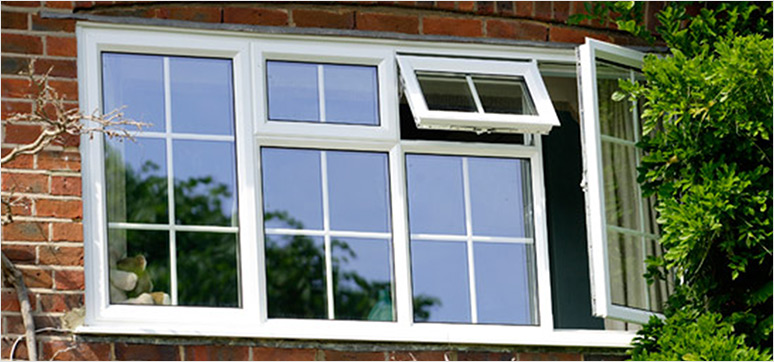
Clean windows inside
-
Dust ceiling fans and light fixtures
-
Spot-clean walls
Once a Year
-
Wash windows outside
-
Deep clean painted walls
A Simple Rule to Remember
-
High-use, high-germ areas: clean daily or weekly
-
Low-touch areas: clean monthly or seasonally
Consistency matters more than intensity.
Frequently Asked Questions
How often should I deep clean my entire home?
A full deep clean is ideal every 3–6 months, depending on household size and pets.
Is daily cleaning really necessary?
Only for high-use areas like kitchens and bathrooms. Most spaces thrive with weekly maintenance.
How often should floors be cleaned?
High-traffic floors weekly, low-traffic areas every two weeks, with deeper cleaning monthly.
Can I clean less often if I live alone?
Yes. Cleaning frequency can be adjusted based on usage rather than household size alone.
What’s the most overlooked cleaning task?
Cleaning high-touch surfaces like light switches, remote controls, and door handles.
How do I stay consistent with cleaning?
Create a simple schedule and break tasks into short, manageable routines.
Does decluttering reduce cleaning time?
Absolutely. Fewer items mean less dust buildup and faster cleaning.