How Singapore’s Eating Culture Affects Gym Results, Hawker Food, Meal Timing, and Training Performance

Food culture in Singapore is vibrant, social, and deeply ingrained in daily life. From early morning kopi to late-night suppers, eating patterns here are very different from those in many other cities. For people evaluating the best gym in singapore, understanding how local food habits interact with training performance has become just as important as workout programming itself.
Exercise does not exist in isolation. What, when, and how people eat directly influences energy levels, recovery, fat loss, and long-term health. Modern gyms in Singapore are increasingly adapting their training philosophies to work with real eating habits rather than against them.
The Reality of Singapore’s Everyday Eating Patterns
Singaporeans enjoy one of the world’s most diverse food scenes, but convenience often dictates choices. Busy schedules lead many adults to eat quickly, irregularly, or late in the day.
Common eating patterns include:
-
Skipping breakfast due to early work hours
-
Heavy reliance on hawker meals during lunch
-
Late dinners after long workdays
-
Frequent social eating on weekends
-
High sodium and refined carbohydrate intake
These habits influence how the body responds to exercise, especially for working professionals who train around their jobs.
Why Hawker Food Is Not the Enemy
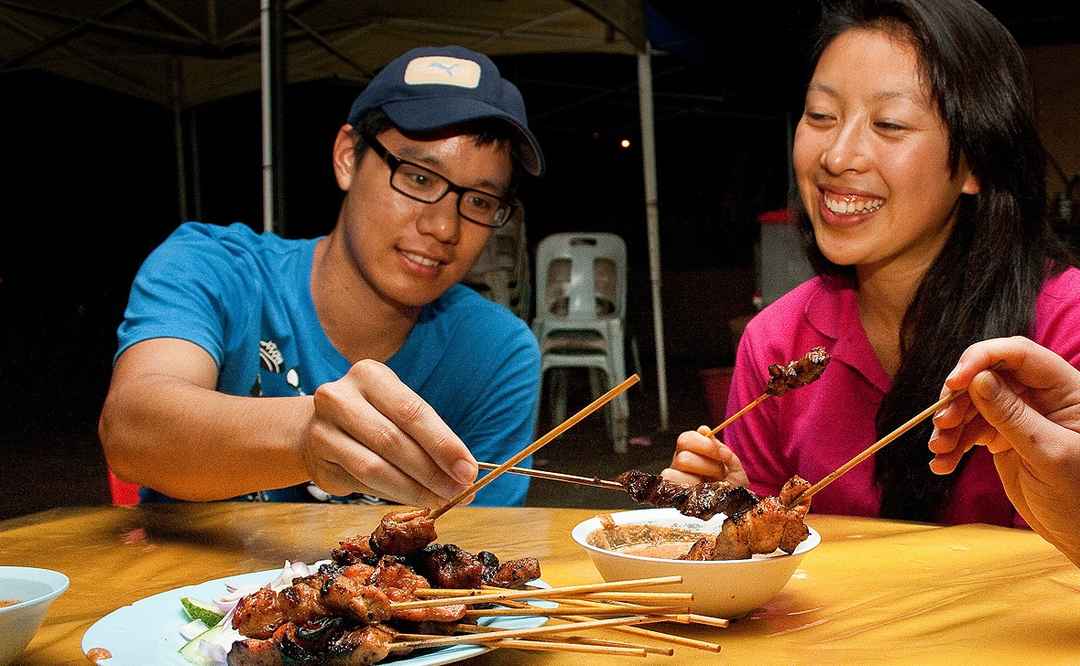
Hawker food is often blamed for poor fitness results, but this view oversimplifies the issue. Many hawker meals provide adequate protein and energy when consumed mindfully.
The challenge lies in:
-
Portion size rather than food type
-
Meal timing relative to training
-
Frequency of high-calorie meals
-
Limited fibre in some dishes
Modern gyms do not push extreme dietary restrictions. Instead, they help members understand how to train effectively within Singapore’s real food environment.
Meal Timing and Training Performance
One of the biggest factors affecting gym results is not what people eat, but when they eat. Long gaps between meals followed by intense workouts can cause energy crashes and poor recovery.
Key timing issues include:
-
Training after long fasting periods
-
Exercising late at night after heavy dinners
-
Inadequate post-workout nutrition
-
Overeating due to poor hunger regulation
Structured training programmes help members manage these challenges by aligning workout intensity with typical eating schedules.
Training After Hawker Lunches
Many professionals train after work, several hours after a hawker lunch. The type of meal consumed earlier in the day can affect evening training quality.
Common effects include:
-
Heavy rice-based meals causing sluggishness
-
High sodium meals increasing dehydration
-
Low protein intake reducing muscle recovery
Gyms that understand these patterns often design sessions that account for realistic energy levels rather than idealised nutrition plans.
The Impact of Late Dinners on Recovery
Late dinners are common in Singapore, especially among professionals. While not ideal, they are often unavoidable. Exercise programming must adapt accordingly.
Late-night eating can affect:
-
Sleep quality
-
Blood sugar stability
-
Recovery efficiency
-
Next-day energy levels
Modern gym programmes now emphasise proper cooldowns, mobility work, and recovery strategies to mitigate the effects of late meals.
Why Extreme Diets Fail in Singapore
Many people attempt strict diets that clash with local food culture. These approaches often lead to short-term success followed by burnout.
Extreme dieting fails because:
-
It ignores social eating norms
-
It creates guilt around food
-
It increases stress levels
-
It is difficult to maintain long term
Gyms focused on sustainable health encourage flexible, realistic nutrition habits rather than rigid rules.
Energy Availability and Workout Quality
Training quality depends heavily on energy availability. Under-eating or poorly timed meals reduce workout effectiveness even if sessions are frequent.
Signs of low energy availability include:
-
Feeling weak during workouts
-
Poor concentration during training
-
Reduced strength progression
-
Increased injury risk
Gyms that prioritise long-term performance help members recognise these signs and adjust training intensity accordingly.
How Structured Training Helps Manage Real Diets
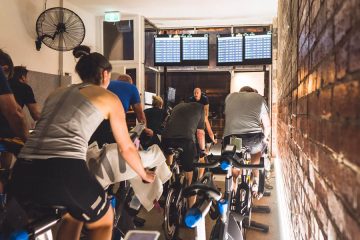
Structured group training provides predictability, which makes it easier to manage eating habits without obsessing over food.
Benefits include:
-
Consistent training times
-
Balanced intensity levels
-
Reduced pressure to overtrain
-
Improved appetite regulation
This structure allows the body to adapt gradually, even when food choices are not perfect.
Social Eating and Weekend Patterns
Weekends in Singapore often involve heavier meals, gatherings, and celebrations. Rather than treating this as a problem, modern gyms incorporate it into weekly training design.
Smart programming strategies include:
-
Higher intensity sessions earlier in the week
-
Recovery-focused workouts after social weekends
-
Emphasis on movement rather than restriction
-
Encouraging consistency instead of compensation
This approach supports mental well-being and long-term adherence.
Hydration and Sodium Intake
Hawker food tends to be higher in sodium, which can affect hydration levels. Combined with Singapore’s humid climate, this can influence workout performance.
Hydration considerations include:
-
Increased fluid needs
-
Monitoring signs of dehydration
-
Adjusting training intensity in hot conditions
-
Proper cooldowns to regulate body temperature
Gyms that understand local climate and diet design safer training environments.
Why Gym Results Improve When Food and Training Align
When training aligns with real eating habits, results improve naturally. Members experience better energy, recovery, and consistency.
Positive outcomes include:
-
Improved workout performance
-
Reduced fatigue
-
Better appetite control
-
Sustainable body composition changes
This alignment is a key factor in what defines premium gym experiences in Singapore.
The Role of Coaching in Food-Aware Training
Coaches play an important role in helping members train effectively without unrealistic dietary expectations.
Good coaching involves:
-
Understanding local food culture
-
Adjusting intensity based on energy levels
-
Encouraging balance over restriction
-
Supporting long-term habits
This guidance helps members feel supported rather than judged.
How TFX Fitness Adapts Training to Singapore’s Food Culture
TFX Fitness reflects this practical understanding of Singapore’s eating culture. Its training philosophy acknowledges that members eat hawker food, dine socially, and manage busy schedules. By focusing on structured sessions, recovery, and consistency, this approach helps members achieve results without extreme dietary changes.
This alignment between food habits and training design supports long-term health and performance.
Why Food-Aware Gyms Are Becoming Essential
As lifestyle-related health concerns grow, gyms must consider nutrition realities alongside exercise science. The most effective gyms are those that respect how people actually live and eat.
Gyms that integrate training with local food habits continue to set the standard for fitness in Singapore.
FAQs
Q: Can I still get good gym results if I eat hawker food regularly?
A: Yes. Portion control, meal timing, and consistent training matter more than avoiding hawker food entirely.
Q: Is it bad to train after eating rice-based meals?
A: Not necessarily. Allowing adequate digestion time and adjusting workout intensity helps manage energy levels.
Q: Do late dinners ruin gym progress?
A: Late dinners can affect recovery, but smart training design and proper cooldowns reduce negative impact.
Q: Should I avoid social eating to improve fitness results?
A: No. Sustainable fitness allows for social meals while maintaining overall consistency.
Q: How important is hydration when eating hawker food?
A: Very important. Higher sodium intake increases hydration needs, especially in Singapore’s climate.
Q: Why do strict diets often fail in Singapore?
A: They conflict with social eating habits and increase stress, making them difficult to maintain long term.
Q: Can structured group training help regulate appetite?
A: Yes. Consistent training improves energy balance and appetite awareness over time.