Easy Cooking Tips for Beginners
Learning to cook can feel overwhelming at first, but it doesn’t have to be complicated. With a few simple strategies and the right habits, anyone can start preparing delicious meals at home. Cooking is a skill that improves with practice, and beginners often benefit most from focusing on small, practical techniques rather than complex recipes.
This guide shares easy cooking tips that help beginners gain confidence in the kitchen while building strong culinary foundations.
Start with Simple Recipes
Beginning cooks often make the mistake of choosing complicated recipes with many ingredients and steps. Starting simple allows you to focus on basic techniques without feeling overwhelmed.
Choose Beginner-Friendly Meals
Look for recipes that require minimal preparation and simple cooking methods.
Examples include:
- Scrambled eggs or omelets
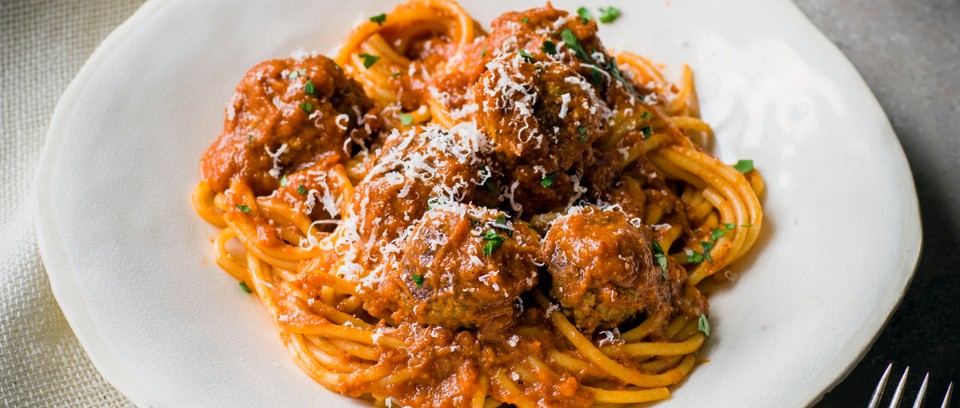
- Pasta with simple sauces
- Stir-fried vegetables
- Grilled sandwiches
- Rice and basic curries
These dishes teach important cooking skills like sautéing, boiling, and seasoning.
Learn Basic Knife Skills
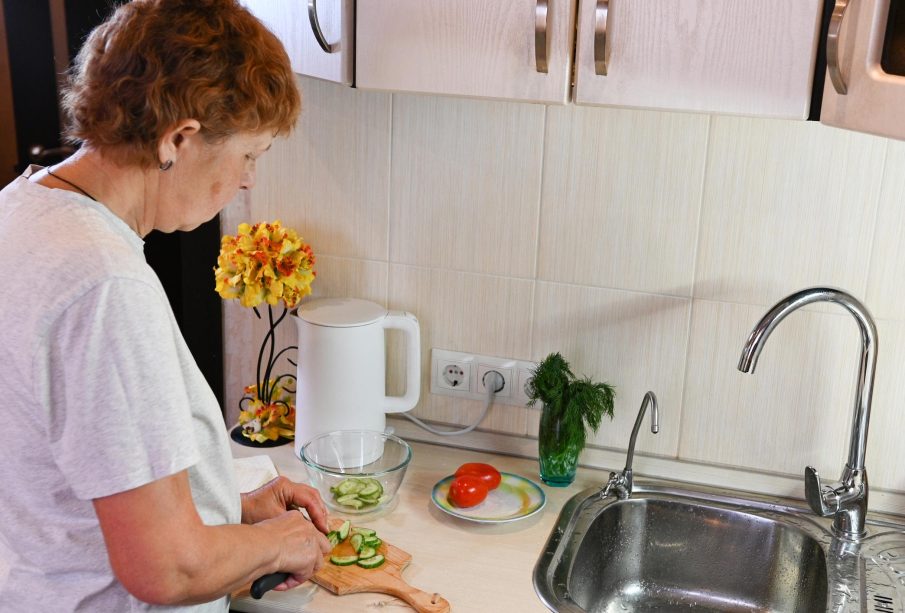
Good knife skills make cooking faster, safer, and more enjoyable. Proper cutting techniques also help ingredients cook evenly.
Essential Cutting Techniques
Beginners should practice a few fundamental cuts:
- Chopping – Roughly cutting vegetables into chunks
- Dicing – Cutting ingredients into small cubes
- Slicing – Creating thin, even pieces
- Mincing – Very fine cutting, often used for garlic or herbs
Always use a sharp knife and a stable cutting board to prevent accidents.
Understand Basic Cooking Methods
Cooking methods determine how food tastes and feels. Learning a few core techniques will allow you to prepare many different dishes.
Common Cooking Methods
- Boiling – Cooking food in hot water, often used for pasta or vegetables
- Sautéing – Quickly cooking food in a small amount of oil
- Roasting – Cooking food in the oven at high heat
- Steaming – Cooking with hot vapor to retain nutrients
- Grilling – Cooking food with direct heat for smoky flavor
Understanding when to use each method helps improve flavor and texture.
Keep Your Kitchen Organized
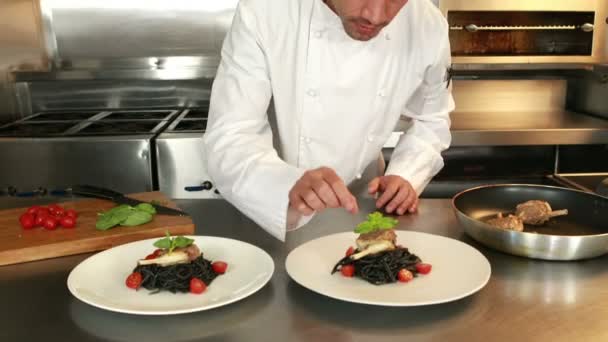
An organized kitchen makes cooking more efficient and less stressful. Professional chefs often prepare ingredients before they start cooking.
Use the “Mise en Place” Approach
Mise en place is a French term that means “everything in its place.”
This involves:
- Washing and cutting ingredients before cooking
- Measuring spices and liquids ahead of time
- Keeping tools within reach
- Cleaning as you go
This habit prevents confusion during the cooking process.
Season Your Food Properly
Seasoning is one of the most important aspects of cooking. Even simple dishes taste amazing when seasoned correctly.
Basic Seasoning Tips
- Add salt gradually, tasting as you cook
- Use fresh herbs for brighter flavors
- Balance dishes with acid, such as lemon juice or vinegar
- Combine spices to build deeper flavor
Proper seasoning can transform basic ingredients into delicious meals.
Use the Right Cooking Equipment
Beginners don’t need a fully stocked kitchen, but a few essential tools make cooking easier.
Must-Have Kitchen Tools
- Chef’s knife
- Cutting board
- Non-stick frying pan
- Saucepan
- Wooden spoon or spatula
- Measuring cups and spoons
Investing in reliable basic tools improves both safety and efficiency.
Taste as You Cook
Professional cooks constantly taste their food during preparation. This helps ensure flavors develop correctly.
Why Tasting Matters
Tasting allows you to:
- Adjust seasoning levels
- Balance flavors
- Avoid overcooking ingredients
- Improve your understanding of flavors
Always taste safely using a clean spoon.
Don’t Be Afraid to Experiment
Once you become comfortable with basic recipes, experimenting helps expand your skills.
Try:
- Substituting ingredients
- Adjusting spice combinations
- Trying new vegetables or herbs
- Combining different cooking techniques
Mistakes are part of learning, and every attempt helps build experience.
Develop Consistent Cooking Habits
Good cooking habits make meal preparation easier over time.
Helpful habits include:
- Reading the entire recipe before starting
- Keeping your workspace clean
- Preparing ingredients ahead of time
- Cooking regularly to build confidence
With consistency, cooking becomes faster and more enjoyable.
Frequently Asked Questions (FAQs)
1. What is the easiest meal for beginners to cook?
Simple meals like pasta, scrambled eggs, stir-fried vegetables, and grilled sandwiches are great starting points because they require minimal ingredients and basic techniques.
2. How can beginners improve their cooking skills quickly?
Practice regularly, start with easy recipes, learn basic knife skills, and pay attention to seasoning and cooking times.
3. Why do recipes sometimes turn out differently than expected?
Results can vary due to differences in ingredient quality, cooking temperature, equipment, or measurement accuracy.
4. How important is reading a recipe before cooking?
Reading the recipe beforehand helps you understand the steps, prepare ingredients in advance, and avoid mistakes during cooking.
5. How can beginners avoid burning food?
Cook on moderate heat, stir regularly, and keep an eye on cooking time to prevent food from burning.
6. What ingredients should beginners always keep in their kitchen?
Common essentials include salt, pepper, cooking oil, garlic, onions, rice, pasta, basic spices, and fresh vegetables.
7. How can someone become more confident in the kitchen?
Confidence develops through practice. Cooking regularly, learning from mistakes, and gradually trying new recipes help build strong cooking skills.