The Ultimate Guide to Cake Decoration
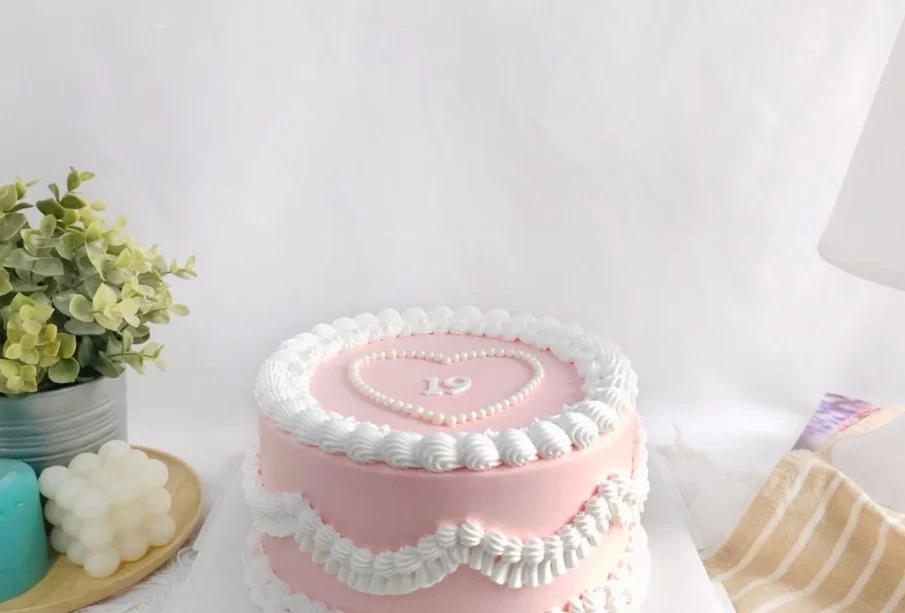
Cake decoration is where baking turns into art. A plain cake becomes memorable when color, texture, and creativity come together on its surface. Whether you’re preparing a birthday cake, wedding centerpiece, or a simple homemade dessert, mastering decoration techniques can elevate your baking to a professional level.
This guide explores essential tools, techniques, and design ideas that help both beginners and experienced bakers create stunning cakes with confidence.
Understanding the Basics of Cake Decoration
Before diving into complex designs, it’s important to understand the core elements that make cake decoration successful.
Key Elements of Cake Design
A beautifully decorated cake usually balances the following components:
- Color harmony – Complementary shades make designs visually pleasing
- Texture – Smooth frosting, piped details, or fondant accents add dimension
- Structure – The cake must remain stable under decorations
- Theme – Designs should match the occasion or celebration
Beginners should focus on mastering simple techniques first. Even basic decorations can look impressive when executed neatly.
Essential Cake Decorating Tools
Using the right tools makes cake decorating easier and more precise. While professionals may use dozens of specialized tools, beginners can start with a few essentials.
Must-Have Decorating Tools
- Offset spatula – Smooths frosting across cake surfaces
- Cake turntable – Helps rotate the cake while decorating
- Piping bags – Used for detailed icing patterns
- Piping tips – Create different textures like stars, leaves, and flowers
- Bench scraper – Perfect for achieving smooth edges
- Palette knife – Ideal for textured or rustic designs
Quality tools improve accuracy and reduce frustration while decorating.
Popular Types of Cake Frosting
Frosting acts as both flavor and decoration. Different frostings offer unique textures and design possibilities.
1. Buttercream
Buttercream is the most versatile frosting used in cake decoration.
Advantages
- Smooth and creamy texture
- Easy to pipe and shape
- Accepts food coloring well
It works beautifully for flowers, borders, and smooth finishes.
2. Fondant
Fondant is a soft sugar dough that creates sleek, polished cakes.
Common uses
- Wedding cakes
- Character cakes
- Sculpted cake designs
It allows decorators to create precise shapes and smooth surfaces.
3. Whipped Cream Frosting
This light and airy frosting is ideal for delicate cakes.
Best for
- Fruit cakes
- Light sponge cakes
- Simple decorations
However, it is less stable than buttercream in warm temperatures.
4. Ganache
Chocolate ganache creates a glossy, elegant finish.
Applications
- Drip cakes
- Smooth chocolate coatings
- Rich flavor layers
Basic Cake Decorating Techniques
Learning a few fundamental techniques will dramatically improve your decorating results.
Crumb Coating
A crumb coat is a thin layer of frosting applied before the final layer.
Purpose:
- Seals cake crumbs
- Creates a smooth base
- Prevents crumbs from mixing with final frosting
After applying, refrigerate the cake for 15–20 minutes before decorating further.
Smooth Frosting Finish
Achieving a smooth cake surface is essential for professional-looking designs.
Steps:
- Apply a thick layer of frosting
- Rotate the cake on a turntable
- Use a bench scraper to smooth the sides
- Finish the top using an offset spatula
Piping Techniques
Piping creates decorative shapes using icing and tips.
Popular piping styles include:
- Rosettes
- Shell borders
- Leaves
- Stars
- Basket weave patterns
Each design depends on the piping tip used.
Drip Cake Technique
Drip cakes have become extremely popular in modern cake decoration.
Method:
- Chill the frosted cake
- Prepare slightly warm ganache
- Pour along the cake edge
- Allow drips to flow naturally down the sides
The result is a dramatic and elegant finish.
Creative Cake Decoration Ideas
Decorating a cake is an opportunity to express creativity. Here are a few inspiring approaches.
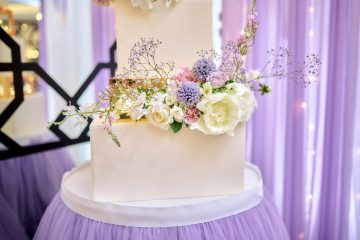
Floral Cakes
Buttercream flowers add elegance to cakes for weddings and celebrations.
Common flowers used:
- Roses
- Peonies
- Daisies
- Sunflowers
Color gradients create realistic floral effects.
Minimalist Cakes
Simple designs are trending in modern baking.
Popular minimalist elements:
- Smooth white frosting
- Gold leaf accents
- Fresh fruit toppings
- Single statement flower
Textured Buttercream Cakes
Using spatulas or palette knives creates artistic textures.
Techniques include:
- Rustic swirls
- Watercolor effects
- Painted buttercream designs
Themed Celebration Cakes
Themed cakes are popular for birthdays and events.
Examples:
- Cartoon characters
- Sports themes
- Superhero cakes
- Seasonal holiday designs
Tips for Professional-Looking Cake Decorations
Even small adjustments can dramatically improve your decorating results.
Helpful tips
- Chill cakes before decorating to prevent crumbs
- Use gel food coloring for vibrant shades
- Practice piping on parchment paper first
- Work slowly for cleaner edges
- Keep tools clean while decorating
- Rotate the cake instead of moving your hands
Patience and practice are key to mastering cake decoration.
Common Cake Decorating Mistakes to Avoid
Beginners often face similar challenges when decorating cakes.
Avoid these mistakes:
- Overmixing frosting, which creates air bubbles
- Decorating warm cakes, causing frosting to melt
- Using too much food coloring, which can affect taste
- Skipping the crumb coat, leading to messy frosting
- Uneven cake layers, making decorations difficult
Correct preparation ensures smoother decorating.
Practice Makes Perfect
Cake decoration improves through consistent practice. Start with simple designs and gradually experiment with more complex techniques.
Try practicing:
- Buttercream flowers
- Smooth frosting finishes
- Simple piping borders
- Drip cake designs
Over time, these foundational skills build confidence and creativity.
Frequently Asked Questions (FAQs)
1. What is the easiest cake decorating technique for beginners?
Simple buttercream piping designs, such as rosettes or shell borders, are among the easiest techniques for beginners to learn.
2. How do professionals get cakes perfectly smooth?
Professional bakers use a cake turntable and bench scraper to rotate the cake while smoothing frosting evenly across the surface.
3. Which frosting is best for decorating cakes?
Buttercream frosting is the most popular because it is stable, easy to pipe, and works well for both simple and complex decorations.
4. Can cake decorations be prepared in advance?
Yes. Many decorations like fondant shapes, chocolate pieces, and sugar flowers can be made days or even weeks before assembling the cake.
5. How do I stop crumbs from mixing with frosting?
Apply a crumb coat first, then chill the cake before adding the final layer of frosting.
6. What food coloring works best for cake decoration?
Gel food coloring is preferred because it provides vibrant color without thinning the frosting.
7. How long should a decorated cake chill before serving?
Most decorated cakes should chill for 30–60 minutes to allow the frosting to set and maintain its shape.