Restaurant Secrets That Improve Customer Experience

A memorable dining experience is about much more than good food. Successful restaurants carefully design every detail—from service style to ambiance—to ensure guests feel welcomed and satisfied. While diners may only notice the final result, many behind-the-scenes strategies contribute to a great restaurant experience.
Understanding these subtle techniques reveals how restaurants create loyalty, positive reviews, and repeat customers.
First Impressions Matter
The customer experience begins long before the first bite of food. Guests form opinions within moments of entering a restaurant.
Key Elements of a Positive First Impression
Restaurants focus on several details that immediately influence customer perception:
- Warm greetings from hosts or staff
- Clean and organized entrance areas
- Comfortable waiting spaces
- Pleasant lighting and music
A welcoming atmosphere encourages customers to relax and enjoy their visit.
Smart Restaurant Layout and Ambience
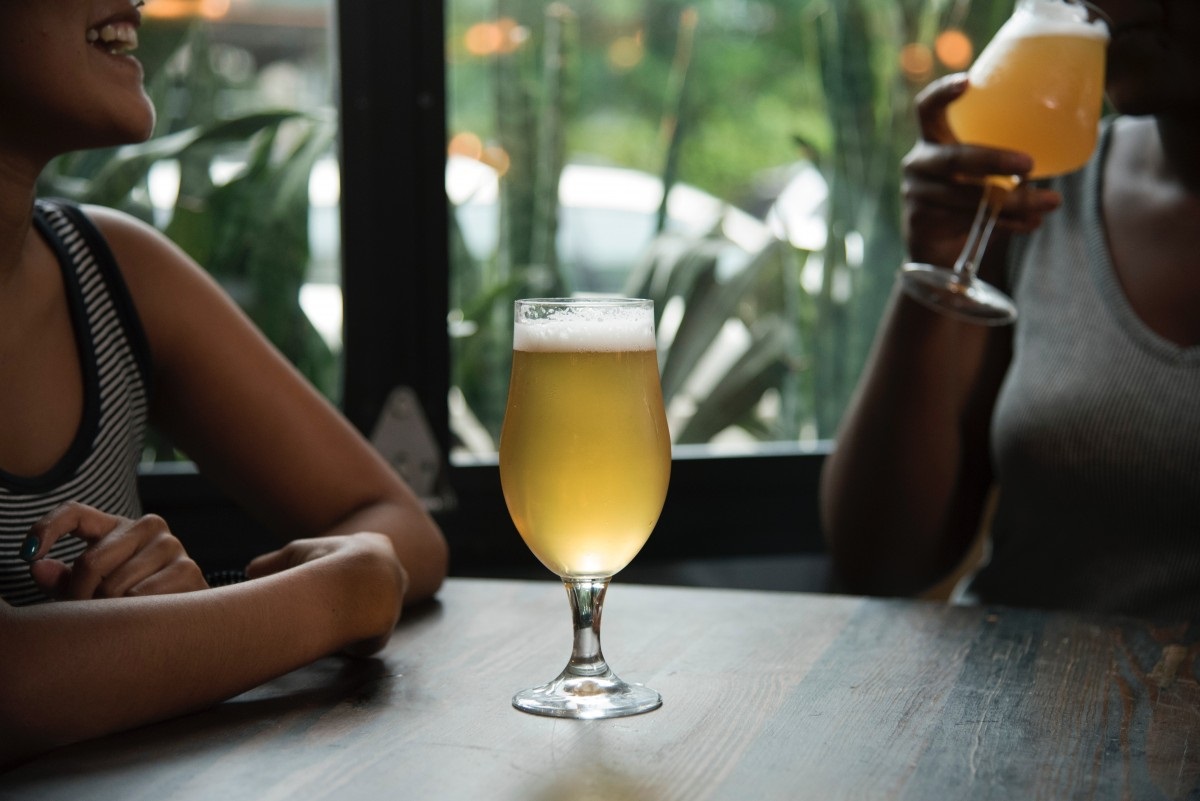
Restaurant layout and ambiance significantly affect how guests feel during their meal. Thoughtful design can make diners stay longer and enjoy the environment more.
Elements That Enhance Ambience
Restaurants often focus on:
- Lighting – Soft lighting creates a relaxed mood
- Music – Background music influences dining pace and comfort
- Seating arrangement – Adequate spacing ensures privacy
- Interior design – Colors, decor, and materials shape the atmosphere
These details subtly influence how guests perceive the restaurant.
Staff Training and Customer Interaction
One of the biggest factors in customer satisfaction is staff behavior. Friendly, knowledgeable employees can transform a meal into a memorable experience.
Service Techniques Used by Successful Restaurants
Well-trained staff often follow these practices:
- Greeting guests politely and promptly
- Maintaining eye contact and a positive tone
- Understanding menu details
- Responding quickly to customer needs
- Handling complaints professionally
Excellent service often leaves a stronger impression than the food itself.
Menu Design Strategies
Menus are carefully designed to guide customer choices while making ordering easy.
Hidden Menu Design Tricks
Restaurants frequently use strategic menu techniques such as:
- Highlighting signature dishes
- Placing profitable items in visually prominent positions
- Using descriptive language to increase appeal
- Limiting options to avoid overwhelming guests
A well-designed menu improves both customer satisfaction and restaurant efficiency.
Consistency in Food Quality
Customers return to restaurants they trust. Consistency in flavor, presentation, and portion size is essential for building that trust.
How Restaurants Maintain Consistency
Professional kitchens rely on systems such as:
- Standardized recipes
- Precise ingredient measurements
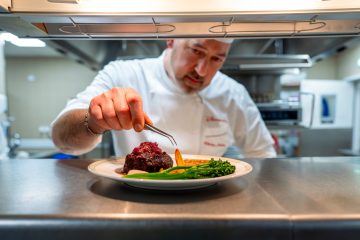
- Training chefs on plating techniques
- Quality checks before dishes reach the table
These practices ensure every customer receives the same quality experience.
Attention to Small Details
Sometimes the smallest details have the biggest impact on the dining experience.
Examples of Thoughtful Details
- Clean table settings and polished cutlery
- Freshly prepared garnishes
- Comfortable seating and temperature control
- Quick refilling of water or beverages
- Prompt table clearing between courses
These subtle touches create a sense of professionalism and care.
Speed and Efficiency of Service
Guests appreciate timely service without feeling rushed. Restaurants carefully balance speed with quality.
Techniques That Improve Efficiency
Restaurants often implement systems like:
- Well-organized kitchen workflows
- Digital order management systems
- Clear communication between servers and chefs
- Strategic staff scheduling during busy hours
Efficient operations ensure that meals arrive fresh and on time.
Personalization Enhances Customer Loyalty
Customers enjoy feeling recognized and valued. Restaurants often personalize service whenever possible.
Personalization Methods
- Remembering regular customers’ preferences
- Offering custom dish modifications
- Celebrating birthdays or special occasions
- Providing personal recommendations
These small gestures help create stronger relationships with guests.
Handling Complaints Professionally
Even the best restaurants occasionally face complaints. What matters most is how the issue is resolved.
Effective Complaint Management
Successful restaurants usually:
- Listen carefully to the customer’s concern
- Apologize sincerely
- Offer solutions quickly
- Follow up to ensure satisfaction
Handling complaints professionally can turn a negative situation into a positive experience.
Creating a Memorable Overall Experience
Great restaurants focus on the full journey—from the moment guests arrive until they leave.
This includes:
- Friendly service
- Quality food
- Comfortable atmosphere
- Efficient operations
- Thoughtful details
When all these elements work together, customers are far more likely to return and recommend the restaurant to others.
Frequently Asked Questions (FAQs)
1. Why is customer experience important in restaurants?
Customer experience influences whether guests return, recommend the restaurant to others, and leave positive reviews.
2. How does restaurant ambiance affect diners?
Ambiance influences mood and comfort. Lighting, music, decor, and seating arrangements all shape how guests feel during their visit.
3. What role does staff training play in customer satisfaction?
Well-trained staff provide better service, answer questions confidently, and respond quickly to customer needs.
4. Why do restaurants limit menu options?
A smaller menu helps kitchens maintain quality, reduce preparation time, and ensure consistency across dishes.
5. How do restaurants encourage repeat customers?
Restaurants build loyalty through consistent food quality, excellent service, and personalized customer interactions.
6. What makes a restaurant service feel professional?
Professional service includes polite communication, timely food delivery, attention to details, and efficient problem resolution.
7. How do restaurants manage busy dining hours effectively?
They plan staff schedules, organize kitchen workflows, and use efficient ordering systems to maintain smooth service during peak times.