Top Food Presentation Tips for Chefs
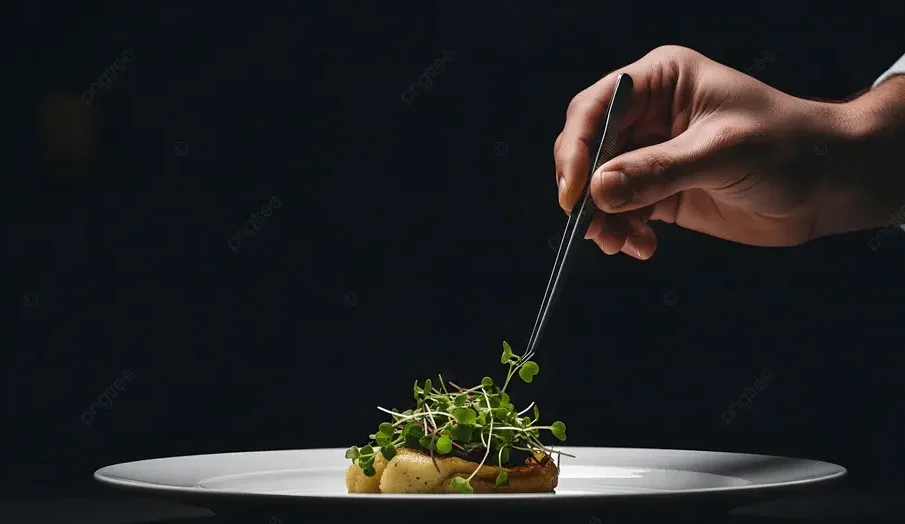
Food presentation is an essential skill for chefs. Even the most delicious dish can lose its appeal if it is poorly plated. Attractive presentation enhances the dining experience, stimulates appetite, and communicates professionalism.
In professional kitchens and modern restaurants, chefs focus not only on taste but also on visual balance, color harmony, and plating techniques. Mastering food presentation allows chefs to transform simple meals into memorable culinary experiences.
Why Food Presentation Matters
Presentation influences how diners perceive flavor and quality before taking the first bite.
Key benefits of good presentation
- Creates a strong first impression
- Enhances the perceived value of a dish
- Improves the overall dining experience
- Highlights the chef’s creativity and attention to detail
A well-presented plate can turn a meal into a visual and sensory experience.
Choose the Right Plate
The plate serves as the canvas for your dish. Selecting the right shape, color, and size helps showcase the food effectively.
Plate selection tips
- Use white plates to highlight vibrant food colors
- Avoid plates that are too large or too crowded
- Match plate style with the restaurant concept
- Consider round, square, or textured plates depending on the dish
A carefully chosen plate allows the food to stand out and remain the focal point.
Focus on Balance and Composition
Professional plating follows principles similar to art and design. Proper balance ensures that the dish looks visually pleasing.
Composition techniques
- Place the main ingredient slightly off-center
- Arrange side elements in a way that guides the eye
- Leave some empty space on the plate for elegance
- Maintain proportion between protein, vegetables, and sauces
Balanced plating creates a structured and refined appearance.
Use Color Contrast
Color plays a significant role in making dishes visually appealing.
How to create color contrast
- Combine bright vegetables with neutral ingredients
- Use fresh herbs for natural green accents
- Pair light-colored foods with darker sauces
- Avoid plates that look too monochromatic
Colorful dishes appear fresher and more appetizing to diners.
Master Sauce Placement
Sauces should enhance both flavor and visual appeal.
Common sauce presentation methods
- Swoosh technique: dragging sauce across the plate with a spoon
- Dots or droplets: placing small sauce circles around the dish
- Brushing technique: spreading sauce lightly with a brush
- Pooling method: placing the dish directly on a small sauce base
Careful sauce placement prevents plates from appearing messy.
Use Garnishes Thoughtfully
Garnishes should complement the dish rather than distract from it.
Effective garnish ideas
- Fresh herbs like basil, parsley, or cilantro
- Edible flowers for elegant presentation
- Citrus zest for brightness
- Microgreens for modern plating styles
Always ensure garnishes are edible and relevant to the dish’s flavor.
Pay Attention to Height and Layers
Flat dishes can appear less interesting. Adding height gives plates dimension and visual drama.
Ways to add height
- Stack ingredients carefully
- Lean elements against each other
- Use layered vegetables or proteins
- Arrange crispy components vertically
Height creates a dynamic and restaurant-quality presentation.
Keep the Plate Clean
Cleanliness is one of the most important aspects of professional plating.
Professional finishing tips
- Wipe plate edges before serving
- Avoid sauce spills or smudges
- Use precise plating tools like tweezers or squeeze bottles
- Maintain consistent presentation across every dish
A clean plate reflects precision and professionalism in the kitchen.
Practice Consistency
In restaurants, every plate served must look the same.
How chefs maintain consistency
- Use plating guides for staff
- Measure portion sizes accurately
- Train kitchen teams on plating standards
- Conduct regular quality checks
Consistency ensures that every guest receives the same high-quality visual experience.
Frequently Asked Questions (FAQs)
1. What is the most important element of food presentation?
The most important element is balance between color, texture, and composition, ensuring the dish looks visually appealing without being overcrowded.
2. How do professional chefs learn plating techniques?
Many chefs learn through culinary school training, kitchen experience, and studying modern plating trends in fine dining restaurants.
3. Should garnishes always be edible?
Yes. Garnishes should always be edible and relevant to the dish, rather than purely decorative.
4. Why do chefs use tweezers for plating?
Tweezers allow chefs to place small ingredients such as herbs or microgreens with precision and control.
5. How can home cooks improve food presentation?
Home cooks can improve presentation by using clean plates, adding fresh herbs, creating color contrast, and avoiding overcrowded plates.
6. What role does lighting play in food presentation?
Good lighting enhances the colors, textures, and visual details of the dish, making it more appealing both in person and in photographs.
7. Are minimalist plating styles popular today?
Yes. Many modern chefs prefer minimalist plating, where fewer elements are arranged carefully to highlight the main ingredients.