Essential Baking Tips for Beginners
Baking is both a science and an art. For beginners, learning the basics can make the difference between dense, uneven results and perfectly baked treats. Unlike cooking, baking requires precision, proper technique, and careful timing.
By understanding a few foundational principles, new bakers can develop confidence and consistently produce delicious cakes, cookies, breads, and pastries.
Measure Ingredients Accurately
Precision is one of the most important rules in baking. Small measurement errors can significantly affect texture and structure.
Tips for accurate measuring
- Use measuring cups and spoons designed for baking
- Level dry ingredients like flour with a flat edge
- Measure liquids in a clear measuring cup at eye level
- Avoid packing flour too tightly into measuring cups
Accurate measurements help ensure consistent and predictable results.
Follow the Recipe Carefully
Recipes are carefully designed to balance ingredients, temperatures, and baking times.
Best practices for beginners
- Read the entire recipe before starting
- Prepare all ingredients ahead of time
- Follow the order of steps precisely
- Avoid unnecessary substitutions during your first attempt
Understanding the recipe prevents mistakes and ensures proper texture and flavor.
Use Room Temperature Ingredients
Many baking recipes call for ingredients such as butter, eggs, or milk to be at room temperature.
Why this matters
- Ingredients blend more smoothly
- Batter mixes evenly
- Cakes rise better during baking
Cold ingredients can lead to uneven mixing and dense baked goods.
Preheat the Oven Properly
An oven that has not reached the correct temperature can affect how baked goods rise and cook.
Oven preparation tips
- Always preheat the oven before baking
- Use an oven thermometer if possible
- Place baking racks in the correct position
- Avoid opening the oven door too often during baking
Maintaining a stable temperature helps ensure even baking and proper structure.
Understand Mixing Techniques
Different recipes require different mixing methods to achieve the right texture.
Common baking techniques
- Creaming: beating butter and sugar together for light cakes
- Folding: gently combining ingredients without deflating air
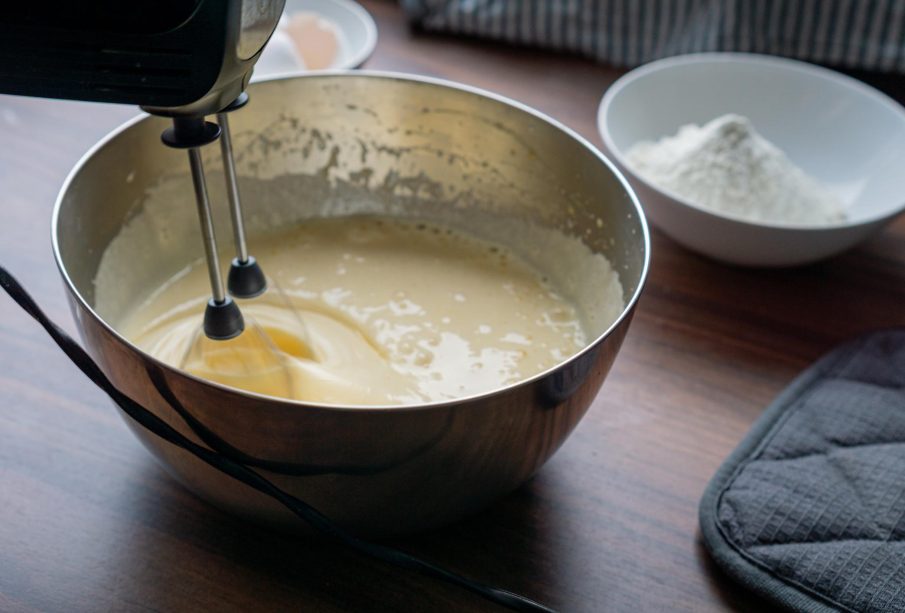
- Whisking: incorporating air into batters and mixtures
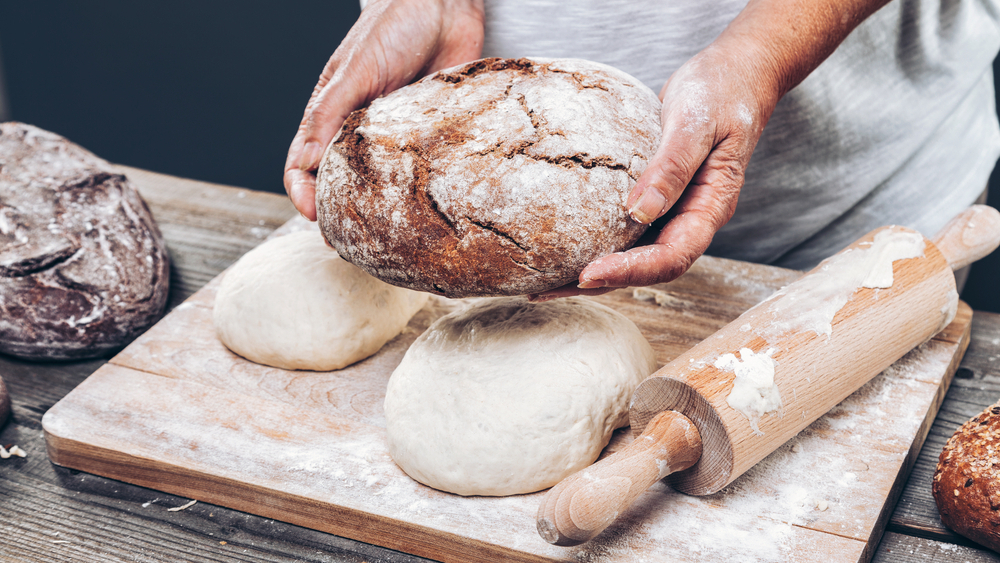
- Kneading: developing gluten structure in bread dough
Using the correct technique improves texture, softness, and structure.
Use Quality Ingredients
The quality of ingredients directly affects the taste of baked goods.
Recommended ingredients
- Fresh flour and baking powder
- High-quality butter or oils
- Pure vanilla extract instead of artificial flavoring
- Fresh eggs and dairy products
Better ingredients create richer flavors and better texture.
Avoid Overmixing Batter
Overmixing can develop too much gluten, which results in tough baked goods.
Signs of overmixing
- Dense or rubbery cakes
- Tough muffins
- Flat cookies
Mix ingredients only until they are combined unless the recipe states otherwise.
Test for Doneness Correctly
Knowing when baked goods are done prevents underbaking or overbaking.
Simple doneness tests
- Insert a toothpick or skewer into the center
- Look for golden-brown edges
- Gently press the top to see if it springs back
Proper testing ensures your baked goods are fully cooked and perfectly textured.
Allow Proper Cooling Time
Cooling is an important step many beginners overlook.
Cooling tips
- Let cakes rest in the pan for 10–15 minutes before removing
- Use a cooling rack to prevent soggy bottoms
- Avoid slicing cakes while they are still hot
Cooling allows baked goods to set properly and maintain their structure.
Practice Patience and Experimentation
Baking skills improve with practice. Even experienced bakers occasionally encounter mistakes.
Ways to improve your baking skills
- Start with simple recipes
- Take notes about results
- Experiment with flavors once comfortable
- Learn from baking mistakes
Patience and practice help beginners develop confidence and creativity in the kitchen.
Frequently Asked Questions (FAQs)
1. What is the easiest baked item for beginners?
Simple recipes such as basic cookies, muffins, or banana bread are great starting points for beginners.
2. Why do cakes sometimes collapse in the center?
Cakes may collapse due to underbaking, opening the oven too early, or using too much leavening agent.
3. Can baking be done without an electric mixer?
Yes. Many recipes can be mixed by hand using a whisk, spoon, or spatula, especially simple cakes and cookies.
4. Why are my cookies spreading too much?
Cookies may spread if the butter is too soft, the dough is too warm, or there is too little flour.
5. What is the purpose of baking powder and baking soda?
Both ingredients act as leavening agents, helping baked goods rise and become light and fluffy.
6. How can I prevent cakes from sticking to the pan?
Grease the pan thoroughly and line it with parchment paper if needed.
7. How long do homemade baked goods stay fresh?
Most baked goods remain fresh for 2–4 days at room temperature, depending on the ingredients and storage method.