Unique Restaurant Concepts That Stand Out
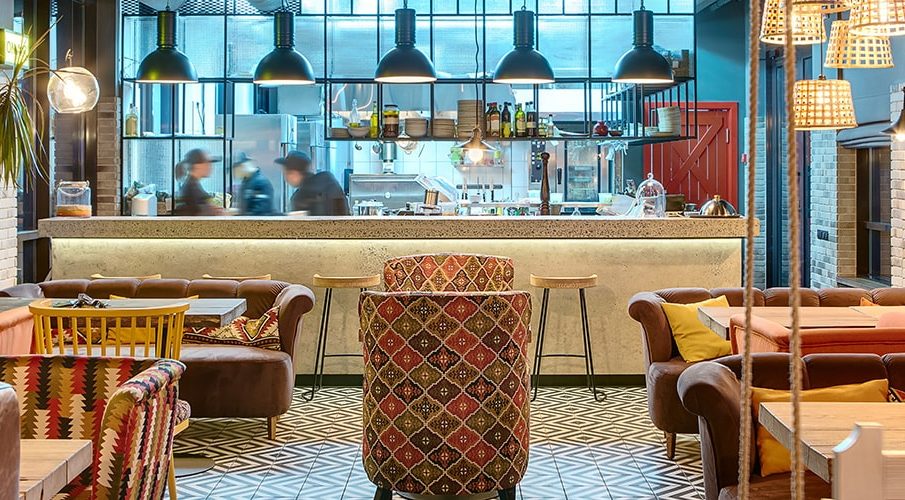
The restaurant industry is highly competitive, and simply offering good food is often not enough to attract customers. Successful restaurants frequently stand out because of creative concepts, memorable experiences, and distinctive atmospheres.
Unique restaurant ideas combine strong branding, innovative menus, and engaging environments. When done well, these concepts attract curious diners, generate social media attention, and build strong customer loyalty.
Themed Dining Restaurants
Themed restaurants transport guests into a completely different world through décor, music, and menu design.
Popular theme ideas
- Vintage or retro-style diners
- Movie or cinema-themed restaurants
- Jungle or nature-inspired interiors
- Cultural or historical themes
These concepts create immersive environments that make dining more entertaining and memorable.
Farm-to-Table Restaurants
Farm-to-table restaurants focus on fresh, locally sourced ingredients and seasonal menus.
Key features
- Partnerships with local farms and producers
- Menus that change according to seasonal availability
- Emphasis on sustainability and natural ingredients
- Transparent sourcing of food products
This concept appeals to diners who value freshness, quality, and environmentally responsible dining.
Interactive Dining Experiences
Interactive restaurants allow guests to participate in the dining experience rather than simply ordering food.
Examples of interactive concepts
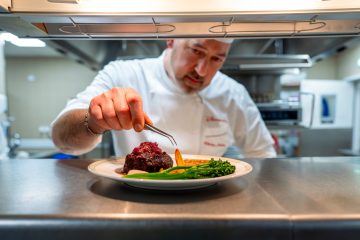
- Chef’s table experiences where guests watch meals being prepared
- Build-your-own meal stations
- Live cooking performances
- DIY cooking or grilling tables
Interactive dining turns a simple meal into an engaging social activity.
Specialty Cuisine Restaurants
Restaurants that focus on a specific cuisine or food category often build strong brand identity.
Specialty restaurant ideas
- Authentic regional cuisine restaurants
- Seafood-focused restaurants
- Gourmet burger or sandwich bars
- Dessert-only cafés
Specialized menus help restaurants become known for one outstanding culinary focus.
Pop-Up Restaurants
Pop-up restaurants operate temporarily in unique locations or for limited periods.
Advantages of pop-up dining
- Lower startup costs compared to permanent locations
- Opportunities to test new menu concepts
- Ability to create exclusive dining events
- Increased excitement due to limited availability
Pop-up restaurants often generate buzz and curiosity among diners.
Experiential Dining Concepts
Experiential restaurants combine dining with entertainment or storytelling.
Creative experiential ideas
- Dark dining experiences where meals are served in low light
- Mystery dinner theater events
- Multi-sensory dining experiences with music and lighting
- Chef-led tasting menus with storytelling
These concepts focus on creating memorable moments beyond the food itself.
Sustainable and Eco-Friendly Restaurants
Sustainability is becoming an important factor for many diners.
Sustainable restaurant practices
- Using biodegradable packaging
- Minimizing food waste
- Offering plant-based menu options
- Supporting local farmers and suppliers
Eco-friendly restaurants appeal to customers who care about environmental responsibility and ethical dining.
Technology-Driven Restaurants
Technology is increasingly shaping modern dining experiences.
Innovative tech concepts
- Self-ordering kiosks or digital menus
- Automated kitchens or robotic assistance
- Augmented reality menus for visual previews
- Mobile apps for ordering and payment
Technology can improve efficiency while providing modern convenience for customers.
Hybrid Restaurant Concepts
Hybrid restaurants combine multiple concepts into one unique experience.
Examples of hybrid ideas
- Café and bookstore combination
- Restaurant and art gallery space
- Bakery and coffee roasting studio
- Restaurant with live music performances
Hybrid concepts attract diverse audiences and create multi-purpose social spaces.
Tips for Creating a Unique Restaurant Concept
Developing a distinctive restaurant idea requires creativity and strategic planning.
Key planning tips
- Identify a clear target audience
- Create a strong brand identity and theme
- Ensure the concept matches the menu and décor
- Focus on memorable customer experiences
- Adapt the concept to local market preferences
A thoughtful concept can transform a restaurant into a destination rather than just a place to eat.
Frequently Asked Questions (FAQs)
1. What makes a restaurant concept unique?
A unique concept combines creative themes, distinctive menus, memorable experiences, and strong branding.
2. Are themed restaurants profitable?
Yes. When executed well, themed restaurants attract attention and often become popular dining destinations.
3. How important is branding for restaurant concepts?
Branding helps communicate the restaurant’s identity and ensures that the menu, décor, and service style work together.
4. What is a pop-up restaurant?
A pop-up restaurant is a temporary dining concept that operates for a limited time or at a unique location.
5. Do unique concepts require large investments?
Not always. Some creative ideas, such as pop-up dining or hybrid spaces, can start with moderate investment.
6. How can restaurants attract attention with a new concept?
Restaurants can generate interest through creative marketing, social media promotion, and unique dining experiences.
7. Why are experiential restaurants becoming popular?
Experiential dining offers entertainment, storytelling, and memorable moments, which modern diners increasingly value.