How to Build a Home That Withstands Extreme Weather
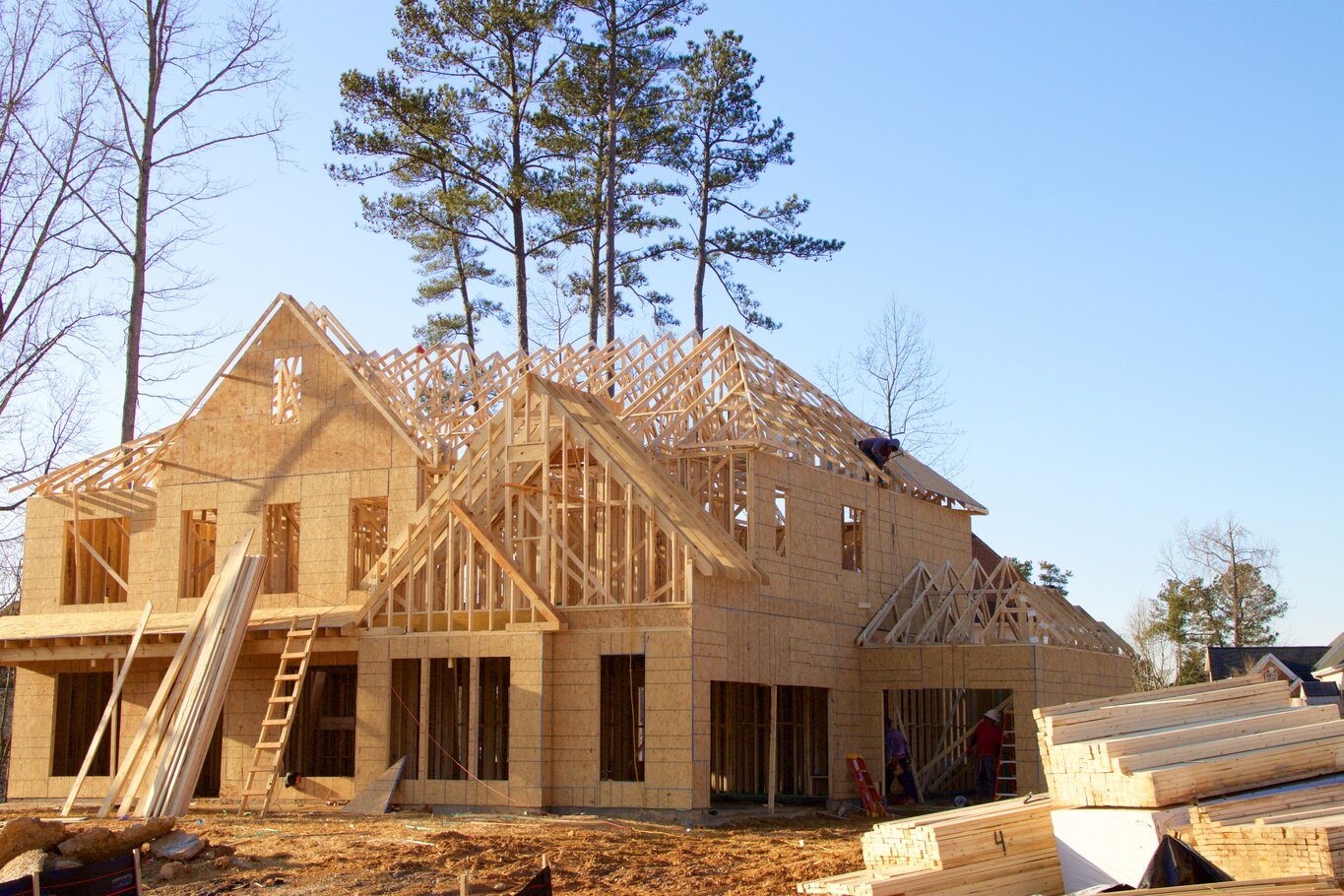
As climate change continues to influence global weather patterns, building homes that can withstand extreme weather conditions has become a critical priority. Whether you’re in an area prone to hurricanes, tornadoes, floods, or extreme temperatures, designing and constructing a home that is resilient to the elements can significantly reduce the risk of damage, improve safety, and ensure long-term durability. This article explores key strategies and design elements to consider when building a home capable of withstanding the harshest of weather conditions.
1. Choose the Right Location
The first step in building a weather-resistant home is selecting the right location. Understanding the natural risks associated with the area can guide the design process. For example, homes in flood-prone areas should be constructed above the potential flood levels, while homes in hurricane-prone regions may require additional wind-resistant features. It’s essential to conduct a thorough risk assessment of the location to determine the specific challenges posed by the local environment.
For homes in flood zones, consider elevating the foundation above the expected flood levels. In tornado-prone areas, selecting a site that is sheltered from wind corridors can minimize exposure. Additionally, avoiding areas that are highly susceptible to landslides or wildfires can greatly enhance the safety of the home.
2. Build Strong Foundations
A robust foundation is the cornerstone of any home, but it is even more critical when preparing for extreme weather. Foundations must be designed to withstand the pressures of high winds, flooding, and seismic activity, depending on the region.
For homes in areas that experience frequent flooding, elevated foundations—such as piers or stilts—are effective in keeping the structure above the waterline. These foundations also prevent erosion from undermining the base of the home. In hurricane-prone regions, slab foundations can be reinforced with steel reinforcements, helping to anchor the home securely to the ground.
Additionally, for areas with freezing temperatures, frost-resistant foundations are essential. Frost can cause the ground to shift, leading to cracks and instability in the home’s structure. Ensuring the foundation is insulated or placed below the frost line can mitigate these risks.
3. Invest in Impact-Resistant Materials
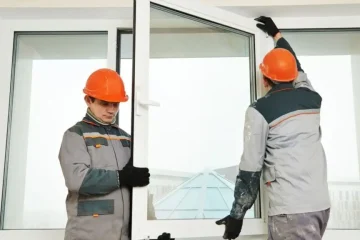
When building a home that can withstand extreme weather, the choice of materials is paramount. Homes in areas prone to hurricanes or severe winds need to incorporate impact-resistant materials to protect against flying debris. For example, laminated glass windows or hurricane-rated windows can prevent windows from shattering during strong winds. These windows are made with a special layer of plastic that holds the glass together, preventing it from breaking into dangerous shards.
In regions that experience wildfires, using fire-resistant materials is essential. Opting for non-combustible siding materials like stucco, metal, or fiber cement can provide increased protection from flames. Fire-resistant roofing materials, such as asphalt shingles with fire ratings or metal roofing, can also reduce the risk of a house catching fire from airborne embers.
For homes in cold climates, high-quality insulation materials can prevent heat loss, ensuring the home remains warm and energy-efficient even during extreme cold spells. Insulation made from recycled denim or cellulose provides excellent thermal resistance while being environmentally friendly.
4. Incorporate Wind-Resistant Features
Wind resistance is crucial in areas prone to hurricanes, tornadoes, or heavy storms. One of the most effective ways to ensure that a home can withstand high winds is to incorporate a continuous load path, which connects the foundation to the roof, ensuring that all parts of the structure work together to resist wind forces.
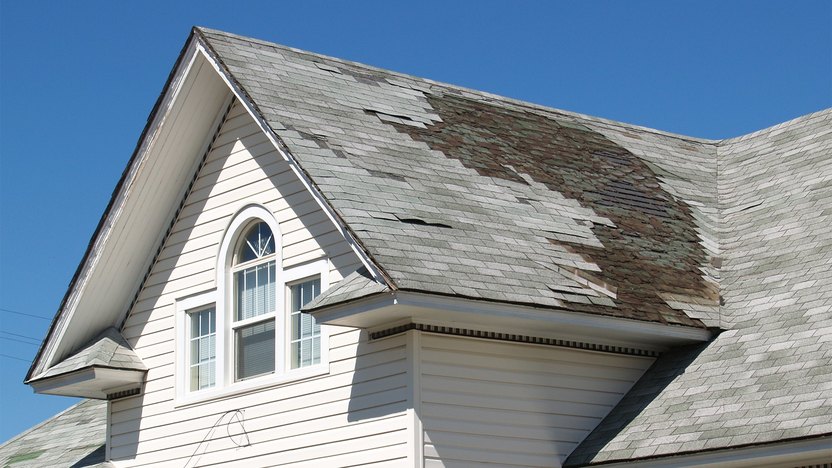
Homes in hurricane-prone areas often utilize reinforced concrete, steel beams, and shear walls to help withstand wind pressure. Roofing systems must be designed to resist uplift, with roof trusses or rafters securely attached to the walls. Additionally, roof coverings should be anchored properly to prevent them from being torn off by strong winds.
For tornado-prone regions, building a storm shelter within the home is highly recommended. This can be a reinforced room with concrete or steel walls that can withstand the pressure of an EF5 tornado, the strongest on the scale. The shelter should be located in the interior of the house, away from windows, to reduce the risk of flying debris.
5. Waterproofing and Drainage Systems
Water is one of the most destructive forces in extreme weather, making waterproofing and proper drainage systems essential for homes in flood-prone areas. Properly designed drainage around the home can prevent water from pooling near the foundation and causing erosion or seepage into the basement.
Ensure that gutters and downspouts are positioned to direct rainwater away from the home. Installing a French drain or a sump pump system in flood-prone areas can further protect the home from water damage. Waterproof coatings on the foundation walls and basement floors can also help prevent moisture intrusion, keeping the interior dry and preventing mold growth.
In areas where heavy snowfall and ice accumulation are common, installing heated driveway systems can prevent ice from building up and making surfaces slippery, reducing the risk of accidents and ensuring accessibility to the home in extreme cold.
6. Ensure Proper Ventilation
Proper ventilation is crucial in homes that must withstand extreme weather, particularly in regions with high humidity or extreme heat. In areas with high moisture levels, like those prone to flooding or heavy rains, ensuring good airflow through the home can prevent the growth of mold and mildew. Ventilating attics, crawl spaces, and basements helps to keep moisture at bay, reducing the likelihood of long-term damage.
In areas with extreme heat, such as desert climates, ventilation is equally important to prevent overheating. Installing energy-efficient windows that allow airflow while reducing heat gain, along with skylights or strategically placed vents, can ensure a cool, comfortable interior during summer heat waves.
7. Landscaping for Protection
Landscaping can play a significant role in protecting a home from extreme weather. In areas with high winds, planting windbreaks like tall shrubs or trees can help shield the home from flying debris and reduce wind pressure on the structure. However, it’s crucial to choose plants that won’t pose a risk if they break or fall during a storm.
In flood-prone areas, landscaping should focus on encouraging proper water drainage. Avoiding the planting of large trees or shrubs too close to the foundation and ensuring the ground slopes away from the house can help reduce the risk of water intrusion.
8. Energy-Efficient Systems for Extreme Conditions
Finally, installing energy-efficient systems in the home can ensure that the structure remains comfortable and functional during extreme weather. Solar panels, for instance, can provide an alternative energy source during power outages caused by storms, while energy-efficient HVAC systems ensure consistent indoor temperatures during heatwaves or cold snaps.
Wind turbines and geothermal heating systems can also provide energy solutions that make the home more self-sufficient, reducing reliance on external sources and providing a more sustainable living environment.
Designing for Resilience
Building a home that can withstand extreme weather involves careful planning and the integration of robust, resilient design features. By choosing the right location, investing in durable materials, reinforcing structural elements, and implementing advanced systems, homeowners can protect their properties from the harshest of weather events. Taking these steps not only ensures safety and comfort but also enhances the longevity and value of the home for years to come.